


Type 2 diabetes is a chronic condition that affects the way the body metabolizes sugar (glucose), which is the body’s primary source of energy. In people with type 2 diabetes, either the body becomes resistant to the effects of insulin—a hormone that regulates the movement of glucose into the cells—or the body doesn’t produce enough insulin to maintain normal glucose levels. As a result, blood sugar levels remain elevated, leading to a range of health complications over time, including heart disease, nerve damage, kidney disease, and vision loss.
The Center for Disease Control and Prevention (CDC) states that over 38 million Americans have diabetes (about 1 in 10). Type 2 diabetes is the most common form of diabetes, accounting for approximately 90-95% of all diabetes cases. Unlike type 1 diabetes, which is an autoimmune disease typically diagnosed in childhood or early adulthood, type 2 diabetes is more closely associated with lifestyle factors and often develops later in life, typically in people 45 years or older. However, the condition is becoming more common in younger populations due to rising rates of obesity and sedentary behavior.
What Are Causes and Risk Factors of Type 2 Diabetes?
The exact cause of type 2 diabetes is multifactorial, involving a combination of genetic, environmental, and lifestyle factors. Understanding these causes helps to highlight the steps that can be taken to reduce the risk of developing the disease.
- Insulin Resistance: In type 2 diabetes, the body’s cells become resistant to insulin’s effects, meaning that the cells no longer respond properly to insulin and do not take in glucose as efficiently as they should. As a result, glucose accumulates in the bloodstream, leading to high blood sugar levels.
- Pancreatic Dysfunction: Over time, the pancreas (which produces insulin) becomes unable to keep up with the body’s demand for insulin. As the pancreas fails to produce enough insulin to compensate for the body’s insulin resistance, blood glucose levels rise further.
- Obesity: Excess body fat, especially around the abdomen, is a major contributor to insulin resistance. Fat cells, particularly visceral fat (fat around internal organs), release inflammatory substances that impair the body’s ability to use insulin effectively. Carrying excess weight, particularly around the abdomen, is the strongest risk factor for developing type 2 diabetes. Even a small amount of weight loss can significantly lower the risk of the disease.
- Genetics & Family History: A family history of type 2 diabetes increases the risk of developing the condition. Specific genes can make individuals more susceptible to insulin resistance and pancreatic dysfunction, but lifestyle factors usually trigger the disease’s onset in people with a genetic predisposition. If a close relative, such as a parent or sibling, has type 2 diabetes, the risk of developing the disease increases significantly.
- Age: The risk of type 2 diabetes increases with age, especially after the age of 45. This is partly due to changes in the body’s metabolism, reduced physical activity, and loss of muscle mass as people get older.
- Ethnicity: Certain ethnic groups, including African Americans, Hispanic/Latino Americans, Native Americans, Asian Americans, and Pacific Islanders, are at higher risk of developing type 2 diabetes, possibly due to genetic and environmental factors.
- Gestational Diabetes: Women who develop diabetes during pregnancy (gestational diabetes) have a higher risk of developing type 2 diabetes later in life.
- Sedentary Lifestyle: Physical inactivity contributes to weight gain and increases insulin resistance. Regular exercise helps improve the body’s sensitivity to insulin and aids in weight management.
- Unhealthy Diet: Diets high in refined carbohydrates, sugary foods and drinks, unhealthy fats, and processed foods increase the risk of type 2 diabetes. Conversely, a diet rich in whole grains, fruits, vegetables, lean proteins, and healthy fats can lower the risk.
- Smoking: Smoking contributes to insulin resistance and increases the risk of developing type 2 diabetes. Smokers are more likely to have higher blood sugar levels than non-smokers.
- High Blood Pressure and High Cholesterol: These conditions are linked to insulin resistance and often occur alongside type 2 diabetes. Managing blood pressure and cholesterol levels through lifestyle changes and medication can reduce the risk.
How Do You Reduce Risk of Type 2 Diabetes?

The good news is that type 2 diabetes is largely preventable through healthy lifestyle choices. Even for people with a genetic predisposition to the disease, adopting these habits can significantly lower the risk.
- Maintain a Healthy Weight: For individuals who are overweight or obese, losing just 5-10% of body weight can improve insulin sensitivity and help regulate blood sugar levels.
- Adopt a Balanced Diet: Choose foods that are high in fiber, such as fruits, vegetables, whole grains, and legumes. Fiber helps regulate blood sugar by slowing the absorption of glucose into the bloodstream. Limit the intake of refined carbohydrates, sugary foods, and sugary drinks, which can cause blood sugar spikes. Focus on healthy fats from sources like avocados, nuts, seeds, and olive oil, and avoid trans fats and excessive saturated fats found in processed foods. Consider portion control and avoid overeating to help manage weight and blood sugar levels.
- Exercise Regularly: Engaging in regular physical activity improves the body’s ability to use insulin and manage blood sugar levels. Aim for at least 150 minutes of moderate-intensity exercise, such as walking, swimming, or cycling, per week. Strength training exercises are also beneficial for improving insulin sensitivity.
- Avoid Smoking: Quitting smoking not only reduces the risk of type 2 diabetes but also lowers the risk of many other serious health problems, including heart disease and cancer.
- Manage Stress: Chronic stress can raise blood sugar levels and increase the risk of insulin resistance. Stress-reduction techniques such as meditation, deep breathing, yoga, and regular exercise can help manage stress and lower diabetes risk.
- Get Regular Health Screenings: For individuals at higher risk of type 2 diabetes, regular screenings for blood sugar levels (such as the A1C test) can help catch the condition early, allowing for prompt management. Early detection and intervention can prevent or delay the progression to full-blown diabetes.
Nutrients for Type 2 Diabetes
Learn more about all of the nutrients linked to risk of type 2 diabetes, the other ways these nutrients improve our health, and the best food sources of each of them!



























How Do Nutrients Improve Type 2 Diabetes?
A Nutrivore approach emphasizes nutrients that help the body function at its best—including systems involved in glucose regulation and insulin sensitivity. Current research highlights the following nutrients for Type 2 diabetes support, along with food sources to help you incorporate these nutrients through your diet.
| Nutrient | How it Supports Type 2 Diabetes | Top Food Sources |
|---|---|---|
| Vitamin B1 (Thiamin) | High-dose thiamin supplementation has been shown to prevent rises in fasting blood sugar and insulin, and may reduce renal complications and urinary albumin excretion in diabetics. | Top food sources include organ meat, pork, seeds, squash, yeasts, fish, legumes, and whole grains; many breads and cereals are fortified. |
| Vitamin B7 (Biotin) | Biotin is often lower in diabetics and may affect glucose homeostasis by increasing insulin secretion and supporting glucose utilization, though supplementation studies show inconsistent glycemic benefits. | Top food sources include egg yolks, liver, yeast, almonds, walnuts, avocados, root vegetables like sweet potato, and tomatoes. |
| Vitamin C | Strong evidence shows vitamin C lowers fasting glucose, fasting insulin, HbA1c, HOMA-IR, and blood pressure in diabetics, likely through antioxidant effects, reduced inflammation, and improved endothelial and metabolic function. | Top food sources include citrus fruits, kiwis, berries, peppers, guavas, papayas, broccoli, Brussels sprouts, tomatoes, cantaloupe, leafy greens, and some organ meats. |
| Vitamin D | Low vitamin D is linked to insulin resistance and progression to diabetes; supplementation improves insulin sensitivity, beta-cell function, and overall glucose metabolism in both diabetics and at-risk individuals. | Top food sources include fatty fish, fish eggs (roe), liver, red meat, egg yolks, and UV-exposed mushrooms or yeast. |
| CoQ10 | CoQ10 reduces fasting glucose, insulin, HOMA-IR, and HbA1c, and may support glycemic control by enhancing mitochondrial enzyme function and reducing oxidative stress and inflammation. | Top food sources include oily fish, organ meats, beef, chicken, pork, Brassica vegetables, legumes, peanuts, nuts, and seeds. |
| Chromium | Chromium improves insulin efficiency and glucose tolerance in some studies, and may lower fasting glucose, HbA1c, and insulin levels in diabetics, though findings vary based on dose, baseline status, and metabolic severity. | Top food sources include kidneys, oysters, liver, broccoli, green beans, leafy greens, mushrooms, nuts, egg yolks, tomatoes, brewer’s yeast, and blackstrap molasses. |
| Magnesium | Diabetics commonly have magnesium deficiency, which worsens insulin resistance; supplementation improves beta-cell function, fasting glucose, insulin sensitivity, triglycerides, and HDL cholesterol. | Top food sources include leafy greens, nuts and seeds, fish, legumes, whole grains, cocoa, avocados, spices, and low-fat dairy. |
| Manganese | Manganese influences glucose metabolism and insulin secretion, with higher intake linked to significantly lower diabetes risk in prospective cohorts; however, biomarker-based studies are mixed. | Top food sources include fish and shellfish, nuts and seeds, sweet potatoes, legumes, leafy greens, tea, cruciferous vegetables, and whole grains. |
| Zinc | Zinc supports insulin synthesis, storage, and signaling, and supplementation improves glycemic control, reduces HbA1c in deficiency, and may protect against diabetic neuropathy and retinopathy. | Good food sources include red meat, organ meats, seafood (especially oysters), eggs, legumes, nuts, whole grains, and fortified cereals. |
| Histidine | Histidine may improve glucose homeostasis by increasing brain histamine signaling, which reduces hepatic glucose production; higher intake is associated with improved fasting glucose and HOMA-IR. | Top food sources include red meat, eggs, seafood, poultry, soy foods, beans, and nuts. |
| Isoleucine | Isoleucine may influence glucose uptake and insulin sensitivity, but human studies are inconsistent, with some showing no benefit or even associations with higher diabetes risk. More research is needed. | Top food sources include eggs, poultry, beef, pork, seafood, dairy, and legumes, especially soybeans. |
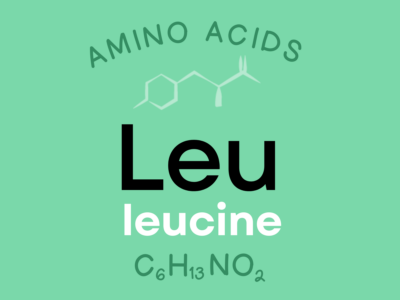
| Leucine | Leucine may improve insulin sensitivity and reduce adipose inflammation in animal models, but human trials show inconsistent effects on glucose regulation and metabolic outcomes. More research is needed. | Top food sources include meat, dairy, legumes such as soybeans and chickpeas, almonds, peanuts, lentils, and hempseed. |
| Lysine | Lysine may lower post-meal glucose responses and shows anti-diabetic potential in animal models by reducing glucose levels, preventing cataracts, and improving kidney health. | Top food sources include eggs, red meat, poultry, shellfish, fish like tuna and salmon, cheese, yogurt, soybeans, legumes, spirulina, and fenugreek seed. |
| Tryptophan | Higher tryptophan intake is associated with reduced diabetes and obesity risk, potentially mediated through improved sleep, though more research is needed to confirm this mechanism. | Top food sources include poultry, egg whites, dairy, seeds (sunflower, pumpkin, sesame), soybeans, peanuts, oats, bananas, and fish. |
| Oleic Acid | Oleic acid improves insulin sensitivity, protects beta cells, reduces inflammation, and counteracts the harmful metabolic effects of palmitic acid; high intake is linked to lower diabetes complications like retinopathy. | Top food sources include olives and olive oil, avocados, nuts, seeds, vegetable oils (canola, sunflower, sesame, peanut, grapeseed, soybean), cocoa butter, and poultry or pork fats. |
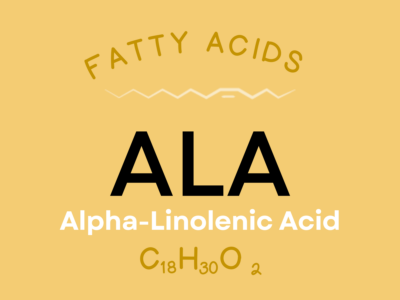
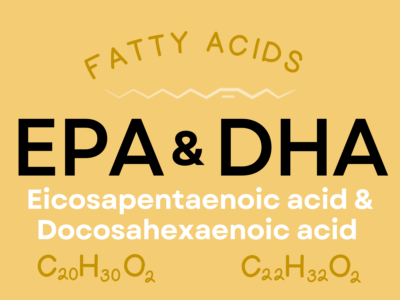
| EPA & DHA | EPA and DHA may improve glucose control, lower fasting glucose, insulin, and HbA1c, and reduce inflammation; they also show benefits for diabetic neuropathy and nephropathy. | Top food sources include salmon, herring, mackerel, sardines, menhaden, algae, cod liver oil, and shellfish such as mussels, crab, oysters, and squid. |
| Linoleic Acid | Higher linoleic acid intake is associated with improved insulin sensitivity and reduced diabetes risk, though effects on fasting glucose are inconsistent in controlled trials. | Top food sources include soybean, corn, sunflower, canola, and safflower oils, grains, soybeans, nuts, seeds, and grain-fed animal products. |
| CLA | CLA affects insulin regulation but exhibits mixed effects, with some isomers improving insulin sensitivity while others impair it; human trials show inconsistent outcomes. | Top food sources include grass-fed beef and lamb, butter and cheese from grass-fed dairy, and full-fat dairy products. |
| SCFAs | SCFAs regulate glucose metabolism by improving insulin secretion (via GLP-1), lowering hepatic glucose production, reducing oxidative stress, and improving insulin sensitivity in both animals and humans. | Top food sources include butter and high-fat dairy, lacto-fermented foods like sauerkraut, pickles, yogurt, soy sauce, certain cheeses, and vinegar and alcohol; most SCFAs come from gut bacteria fermenting fiber. |
| MCTs | MCTs may improve insulin sensitivity, increase C-peptide (insulin production), and reduce body weight, waist circumference, and cholesterol levels in diabetics. | Top food sources include coconut and coconut oil, palm kernel oil, and fatty dairy from cows, sheep, horses, and goats. |
Nutrients for Type 2 Diabetes
Nutrients for Type 2 Diabetes explains all the nutrients that matter most for blood sugar regulation, insulin sensitivity, and long-term metabolic health! This e-book is exclusively available in Patreon!
Plus every month, you’ll gain exclusive and early access to a variety of resources, including a weekly video podcast, a new e-book in a series, nutrient fun factsheet, and more! Sign up now and also get 5 free Nutrivore guides as a welcome gift! Win-win-win!
Benefits of a Food-Based Approach
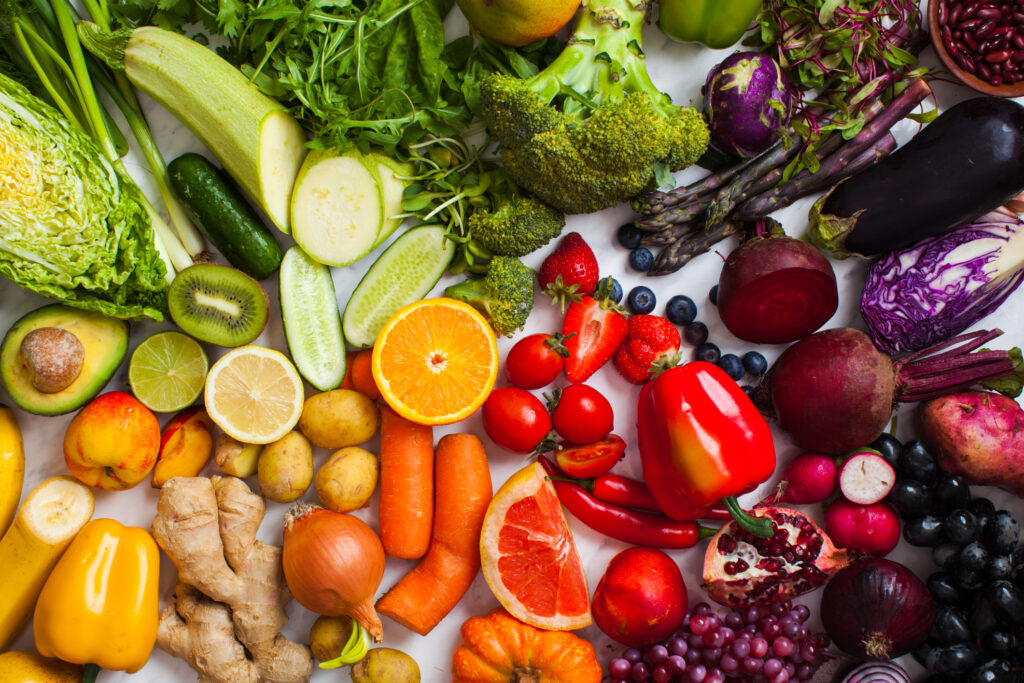
A nutrient-focused, whole-food approach can play a supportive role in managing many health conditions, especially when paired with healthy lifestyle habits like physical activity and good-quality sleep. A food-based approach to nutrition offers health benefits that go far beyond what supplements can provide. Whole foods deliver a natural balance of nutrients that work synergistically, meaning vitamins, minerals, phytonutrients, healthy fats, carbohydrates and fiber can support each other for better overall health outcomes. Nutrient-dense foods like leafy greens, fruits, legumes, nuts, seeds, and fish are efficient, cost-effective, and widely accessible options that fit easily into a healthy diet and good eating patterns. By choosing whole foods first, you not only support a more balanced diet but also avoid the added costs and potential nutrient insufficiencies that can come with eating highly processed foods and relying solely on supplements to make up the shortfall.
The variety of nutrient-dense foods available across food groups makes it easy to enjoy a satisfying, diverse, and plant-forward (though not solely plant-based) way of eating. Many of these foods provide additional health benefits including antioxidants (which are anti-inflammatory), insoluble fiber for gut health, which in turn supports overall health and wellness. Because whole foods are often more accessible and affordable than supplements, a food-based approach creates a sustainable foundation for long-term well-being.
Nutrivore encourages filling your plate with a wide range of nutrient-rich foods without the need for restrictive rules, making it easy to prevent and support health conditions through the simple power of food. With a Nutrivore approach (maximizing nutrient density across food groups), a nutritious, balanced, and enjoyable way of eating becomes both achievable and flexible for any lifestyle. While it isn’t a replacement for medical care or the advice of a registered dietitian, a balanced, food-first approach can complement your overall strategy for improving many health conditions and support long-term health goals.