
Cancer is a group of diseases characterized by the uncontrolled growth and spread of abnormal cells in the body. Normally, cells grow, divide, and die in a regulated manner. However, in cancer, genetic mutations disrupt this process, causing cells to grow uncontrollably and evade the body’s natural defenses. These abnormal cells can form tumors, invade nearby tissues, and spread (metastasize) to other parts of the body through the bloodstream or lymphatic system.
Cancer can originate in nearly any part of the body, with different types classified based on their tissue of origin. Some cancers, like leukemia, do not form solid tumors but instead affect the blood and bone marrow. Cancer is influenced by a combination of genetic, environmental, and lifestyle factors, and while some cases are inherited, most develop due to mutations acquired over a lifetime. Early detection and preventive measures can significantly improve survival rates and treatment outcomes.
While research bases for less common cancers are still developing, there has been some amazing discoveries and studies completed on the most common cancer types, which have culminated in treatment, lifestyle support factors, and alternative therapies that have been shown to improve outcomes.
Predominant Cancer Types in the United States
Cancer remains one of the leading causes of death in the United States. According to the American Cancer Society (ACS) and Centers for Disease Control and Prevention (CDC), the most common types of cancer in the U.S. include breast cancer, lung cancer, prostate cancer, colorectal cancer, and skin cancer. These cancers have varying causes, risk factors, and methods of prevention.
What Are Causes and Risk Factors of Cancer?
BREAST CANCER
Breast cancer is the most commonly diagnosed cancer in women, with about 300,000 new cases annually in the United States. Men can also develop breast cancer, but it is far less common.
Causes & Risk Factors:
- Family history and genetic mutations (e.g., BRCA1 and BRCA2).
- Hormonal factors (elevated estrogen levels, hormone replacement therapy).
- Lifestyle factors such as obesity, alcohol consumption, and lack of physical activity.
LUNG CANCER
Lung cancer is the leading cause of cancer-related deaths in the U.S., with approximately 230,000 new cases diagnosed each year.
Causes & Risk Factors:
- Smoking is the leading cause, responsible for about 80–90% of cases.
- Exposure to second-hand smoke, radon gas, air pollution, and occupational hazards (e.g., asbestos, arsenic).
- Genetic predisposition can play a role in some cases.
PROSTATE CANCER
Prostate cancer is the most common cancer in men, with about 290,000 new cases annually.
Causes & Risk Factors:
- Age (risk increases significantly after 50).
- Family history and genetic predisposition.
- Diet high in red and processed meats and low in vegetables.
COLORECTAL CANCER (COLON & RECTAL CANCER)
Colorectal cancer is the third most common cancer in both men and women, with around 150,000 new cases each year.
Causes & Risk Factors:
- Age (risk increases after 50).
- Diet high in red and processed meats and low in fiber.
- Family history and inherited conditions (e.g., Lynch syndrome).
- Obesity, smoking, and heavy alcohol use.
SKIN CANCER (INCLUDING MELANOMA)
Skin cancer is the most commonly diagnosed cancer in the U.S., with millions of cases annually, including about 100,000 cases of melanoma, the deadliest form.
Causes & Risk Factors:
- Ultraviolet (UV) radiation from the sun or tanning beds.
- Fair skin, light-colored eyes, and excessive sun exposure without protection.
- Family history and weakened immune system.
How Do You Reduce Risk of Cancer
BREAST CANCER
- Maintain a healthy weight and exercising regularly.
- Limit alcohol intake and avoiding hormone therapy when unnecessary.
- Regular mammograms and self-examinations for early detection.
LUNG CANCER
- Avoid smoking and exposure to tobacco smoke.
- Test homes for radon and avoid exposure to harmful chemicals.
- Routine lung screenings for high-risk individuals (e.g., smokers or those with a family history).
PROSTATE CANCER
- A healthy diet rich in fruits, vegetables, and lean proteins.
- Regular screenings, such as prostate-specific antigen (PSA) tests, particularly for high-risk individuals.
COLORECTAL CANCER (COLON & RECTAL CANCER)
- A high-fiber diet rich in fruits, vegetables, and whole grains.
- Regular screenings (e.g., colonoscopy starting at age 45–50).
- Maintain a healthy weight and stay physically active.
SKIN CANCER (INCLUDING MELANOMA)
- Use sunscreen (SPF 30 or higher) and avoid tanning beds.
- Wear protective clothing and seek shade.
- Regular skin checks and early removal of suspicious moles or lesions.
Nutrients for Cancer Health
Learn more about all of the nutrients linked to risk of cancer, the other ways these nutrients improve our health, and the best food sources of each of them!
How Do Nutrients Improve Cancer?
A Nutrivore approach emphasizes nutrients that help the body function at its best—including cellular health, DNA repair, and immune defenses. Current research highlights the following nutrients for cancer-related health support, along with food sources to help you incorporate these nutrients through your diet.
| Nutrient | How it Supports Cancer Health | Top Food Sources |
|---|---|---|
| Vitamin B1 (Thiamin) | Thiamin deficiency is common in cancer due to tumor demands, but high intake might theoretically fuel tumor growth because thiamin-dependent enzymes support nucleic acid synthesis. The relationship remains unclear and more research is needed. | Top food sources include organ meats, pork, seeds, squash, yeasts, fish such as trout, mackerel, salmon, and tuna, as well as legumes, whole grains, and fortified foods like breakfast cereals and breads. |
| Vitamin B2 (Riboflavin) | Supports folate metabolism and SAM production, which can inhibit cancer cell growth and metastasis. Higher intake has been associated with lower colorectal, lung, and breast cancer risk, and riboflavin may reduce oxidative stress during cancer therapy. | Top food sources include organ meats, mushrooms, leafy greens, eggs, dairy products, almonds, yeast, legumes, and squash. |
| Vitamin B3 (Niacin) | Helps maintain NAD levels, supporting DNA repair, chromosome stability, and tumor-suppressor protein (p53) function. Higher intake correlates with reduced risk of several cancers, including skin, oral, esophageal, and bladder cancer. | Top food sources include red meat, poultry, seafood like salmon and tuna, organ meats, yeast shellfish, mushrooms, leafy greens, nuts, seeds, legumes, and fortified grains and cereals. |
| Vitamin B6 (Pyridoxine) | PLP participates in pathways (methionine cycle, homocysteine catabolism, thymidylate synthesis) that influence DNA integrity and cancer risk. Low B6 status is linked to higher incidence of colorectal, esophageal, and stomach cancer. | Top food sources include fish, leafy greens, root vegetables, bananas, legumes like chickpeas, red meat, poultry, and seeds such as sunflower and pumpkin, along with fortified cereals. |
| Vitamin B9 (Folate) | Essential for DNA/RNA synthesis and methylation, helping prevent genome instability and chromosome breakage. Low folate status increases risk of multiple cancers, especially colorectal cancer; however, very high folic acid may promote tumor growth once cancer is established. | Top food sources include organ meats, leafy greens like spinach and lettuce, asparagus, avocados, Brussels sprouts, legumes such as peas and lentils, eggs, beets, citrus fruits, strawberries, pomegranates, broccoli, nuts, seeds, and fortified grain products. |
| Vitamin B12 (Cobalamin) | Needed for folate metabolism and DNA synthesis; low B12 may increase chromosomal breakage and cancer risk. Observational findings are inconsistent, so more research is needed. | The best food sources include animal foods such as fish (especially sardines, salmon, tuna, and cod), shellfish such as shrimp and scallops, organ meat, beef, eggs, poultry, and dairy products. Some fermented soy products like tempeh also contain vitamin B12. |
| Vitamin C | Acts as an antioxidant, inhibits formation of carcinogenic N-nitroso compounds, and interferes with H. pylori survival. Higher intake is widely associated with lower incidence of many cancers and improved prognosis in breast cancer. | Top food sources include citrus fruits, kiwis, berries, red peppers, guavas, papayas, broccoli, Brussels sprouts, tomatoes, cantaloupe, leafy greens, and certain organ meats. |
| Vitamin D | Regulates cell differentiation, inhibits cancer cell proliferation, and may induce apoptosis via vitamin D receptor activation. Low vitamin D status is associated with higher breast and colorectal cancer risk and poorer melanoma survival. | Top food sources include fatty fish like salmon, mackerel, sardines, and herring, along with fish roe, liver, red meat, egg yolks, and UV-exposed mushrooms or baker’s yeast. |
| Vitamin E | Gamma-tocopherol and tocotrienols may reduce proliferation and induce apoptosis in cancer cells, and appear synergistic with some chemotherapy agents. Human evidence is mixed and more research is needed. | Top food sources include nuts and seeds, (particularly sunflower seeds, almonds, and hazelnuts). It’s also found in oily plant foods like avocados and olives (as well as their oils), palm oil, vegetable oils, fatty fish, organ meats, tomatoes, corn, asparagus, oats, wheat germ, wheat germ oil, peanuts, chestnuts, coconut, kiwis, and carrots. |
| Vitamin K | May reduce inflammation and exert anti-cancer effects, but mechanistic and clinical data are limited. More research is needed. | Top food sources include leafy green vegetables such as kale, chard, collards, and spinach, as well as broccoli and Brussels sprouts, for vitamin K1; and natto, organ meats, egg yolks, certain hard cheeses, butter, pork, and dark chicken meat for vitamin K2. |
| Choline | Higher intake is associated with reduced risk of several cancers (colorectal, liver, breast), likely due to roles in methylation and cell membrane integrity. However, some studies link high intake to increased prostate cancer risk, possibly via altered choline metabolism or TMAO pathways. | Good food sources of include egg yolks, poultry, fish, fish eggs, meat (especially liver), cruciferous veggies (like broccoli and cauliflower), salmon, peanuts, soybeans, and dairy. |
| CoQ10 | Low CoQ10 levels correlate with worse outcomes in melanoma, breast cancer, and lung cancer, possibly due to roles in mitochondrial function and oxidative balance. Supplementation may reduce pro-tumor enzymes and inflammation, but more clinical trials are needed. | Top food sources include oily fish like salmon, mackerel, trout, and sardines, organ meats such as heart and liver, beef, chicken, pork, and smaller amounts in Brassica vegetables, legumes, peanuts, nuts, and seeds. |
| Calcium | Binds harmful compounds in the colon and may inhibit tumor growth, reducing colorectal cancer incidence. Also associated with lower cervical cancer risk; mechanisms for other cancers remain less clear. | Top food sources include dairy products (especially low-fat dairy products), bone-in sardines, Brassica vegetables such as kale, collard greens, bok choy, and broccoli, seaweed, and fortified foods like orange juice, soy milk, and cereals. |
| Copper | Copper promotes angiogenesis, which tumors use to grow; lowering copper with chelators reduces angiogenesis in preclinical models. Human evidence is limited, so more research is needed. | Top food sources include oysters and other shellfish, legumes, nuts, seeds, organ meats, sweet potatoes, salmon, tempeh, dark chocolate, avocados, and mushrooms. |
| Iodine | May inhibit breast cancer development via estrogen pathway modulation and may protect against gastric cancer through antioxidant activity in the gastric mucosa. | Top food sources include sea vegetables such as kelp and wakame, fish, shellfish, eggs, and dairy products; iodized table salt also provides iodine, while the amount in fruits and grains varies based on soil iodine levels. |
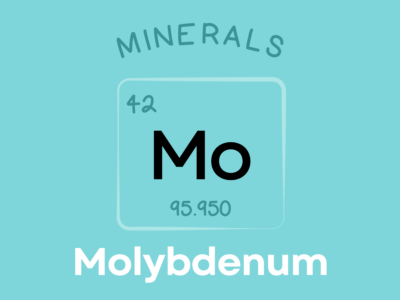
| Molybdenum | Low molybdenum status is strongly associated with esophageal cancer risk, potentially due to reduced detoxification of carcinogenic nitrosamines. Mechanisms are plausible but findings in humans remain inconsistent. | Top food sources include legumes, organ meats like liver and kidney, pork, lamb, eggs, sunflower seeds, green beans, tomatoes, lettuce, celery, fennel, and cucumbers, though soil variation can significantly affect molybdenum levels in plant foods. |
| Selenium | Supports antioxidant defenses and DNA protection through selenoproteins. Higher selenium status is associated with lower cancer incidence and mortality, though supplementation trials show mixed results. | Top food sources include Brazil nuts, seafood, organ meats, muscle meats, and mushrooms such as shiitake and button varieties. |
| Sodium | High sodium diets damage stomach mucosa and enhance H. pylori virulence, increasing stomach cancer risk. Excess sodium also increases exposure to gastric carcinogens and inflammation-driven cell proliferation. | Top food sources include processed and prepared foods made with table salt, such as soups, cured meats, salted nuts and seeds, pickles, olives, bread, packaged snacks, fast food, canned foods, soy sauce, and salad dressings, naturally occurring sources include seafood, seaweed, fish eggs, spinach, celery, chard, beets, carrots, milk, and baking soda |
| Zinc | Some evidence links higher zinc status with lower cervical cancer risk and improved breast cancer survival, possibly via antioxidant and immune-regulatory functions. Research remains mixed. | Good sources of zinc include red meat, some organ meats (especially liver and heart), seafood (especially oysters), eggs, legumes, nuts, and whole grains. |
| Histidine | Higher circulating levels correlate with lower colorectal cancer risk, and in vitro it reduces tumor markers and sensitizes cells to anti-cancer drugs. More human research is needed. | Top food sources include red meat, eggs, seafood, poultry, soy, beans, and nuts. |
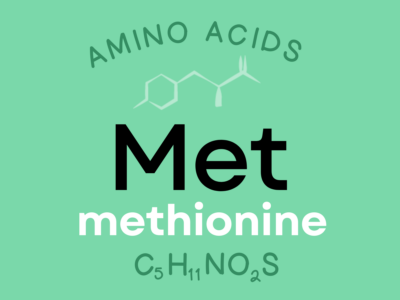
| Methionine | May protect against liver, pancreatic, breast, and colorectal cancers through roles in methylation, SAMe production, and cell cycle regulation. Evidence is largely observational or preclinical. | Top food sources include eggs, chicken, beef, pork, fish, Brazil nuts, sesame seeds, hempseeds, chia seeds, and soybeans. |
| ALA | Higher blood/tissue levels correlate with reduced colon, rectal, and breast cancer risk; ALA may inhibit proliferation and induce apoptosis in multiple cancer cell types. Evidence for prostate cancer is mixed and may depend on genetic or dietary factors. | Top food sources include flaxseed, chia seeds, hemp seeds and their oils, along with walnuts, pistachios, pumpkin seeds, and vegetable oils like soybean and canola. |
| CLA | Demonstrates anti-carcinogenic properties in vitro and animal models by inducing apoptosis, reducing angiogenesis, and inhibiting invasion. Human results are inconsistent and intake thresholds for benefit are unclear. | Top food sources include meat and dairy products from grass-fed animals—especially grass-fed beef, lamb, butter, cheese, and other full-fat dairy. |
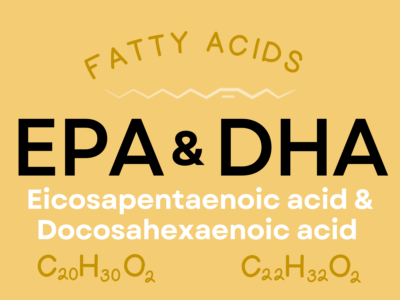
| EPA & DHA | Associated with reduced risk of several cancers (colorectal, digestive tract, breast, melanoma) and improved outcomes in breast cancer patients. Effects may vary with baseline omega-3 status, weight, and inflammation. | Top food sources include fatty cold-water fish like salmon, herring, mackerel, sardines, and menhaden, along with algae, cod liver oil, and shellfish such as mussels, crab, oysters, and squid. |
| GLA | Inhibits tumor cell motility and invasiveness in vitro, and may enhance effectiveness of tamoxifen in breast cancer patients. More research is needed. | Top food sources include flaxseeds and flaxseed oil, hempseed and hempseed oil, evening primrose oil, blackcurrant seed oil, borage oil, and smaller amounts in oats, spirulina, and barley. |
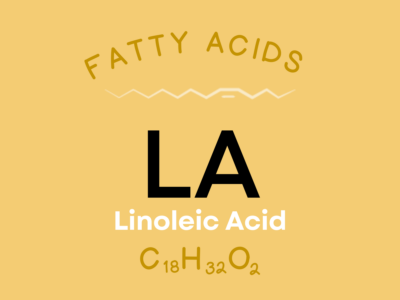
| Linoleic Acid | Observational studies suggest lower cancer mortality with higher levels, but experimental studies show both anti- and pro-cancer effects depending on context. Mechanisms vary and more research is needed. | Top food sources include seed-based plant oils (particularly soybean oil, corn oil, sunflower oil, canola oil, and safflower oil), grains, soybeans, pine nuts, sunflower seeds, pecans, Brazil nuts, walnuts, peanuts, sesame seeds, and hemp seeds. Pork, chicken, and eggs also contain linoleic acid. |
| MCTs | Early animal research shows potential benefits for brain cancer when combined with ketogenic diets and chemotherapy. More research is needed. | Top food sources include coconut and coconut oil, palm kernel oil, and fatty dairy products from cows, sheep, horses, and goats. |
| Oleic Acid | May inhibit proliferation and metastasis via pathways such as Akt/mTOR suppression and oncogene downregulation. Associated with lower colorectal cancer risk in observational studies. | Top food sources include olives and olive oil, avocados and avocado oil, vegetable oils such as canola, sunflower, sesame, peanut, grapeseed, soybean, and palm oil, as well as peanuts, pecans, macadamia nuts, cocoa butter, and animal fats like turkey fat, chicken fat, and lard. |
| SCFAs (Especially Butyrate) | Butyrate induces apoptosis in colon cancer cells, enhances barrier function, reduces inflammation, and decreases tumor invasiveness. Some anticancer effects also observed for propionate. | Butyrate induces apoptosis in colon cancer cells, enhances barrier function, reduces inflammation, and decreases tumor invasiveness. Some anticancer effects also observed for propionate. Top food sources include butter and other high-fat dairy products, lacto-fermented foods like sauerkraut, pickles, yogurt, soy sauce, and certain cheeses, as well as vinegar and alcohol, although most SCFAs are produced by beneficial gut bacteria as they break down fiber. |
| Stearic Acid | Induces apoptosis in cancer cells and inhibits proliferation and invasion in several cancer models. Human evidence is limited and inconsistent. | Top food sources include meat, saturated vegetable fats (particularly cocoa butter and shea butter), peanut butter, egg yolks, and animal-based fats ( lard, butter, and tallow). |
Nutrients for Cancer
Nutrients for Cancer explains all the nutrients that matter most for cancer risk reduction, cellular health, and long-term resilience! This e-book is exclusively available in Patreon!
Plus every month, you’ll gain exclusive and early access to a variety of resources, including a weekly video podcast, a new e-book in a series, nutrient fun factsheet, and more! Sign up now and also get 5 free Nutrivore guides as a welcome gift! Win-win-win!
Benefits of a Food-Based Approach
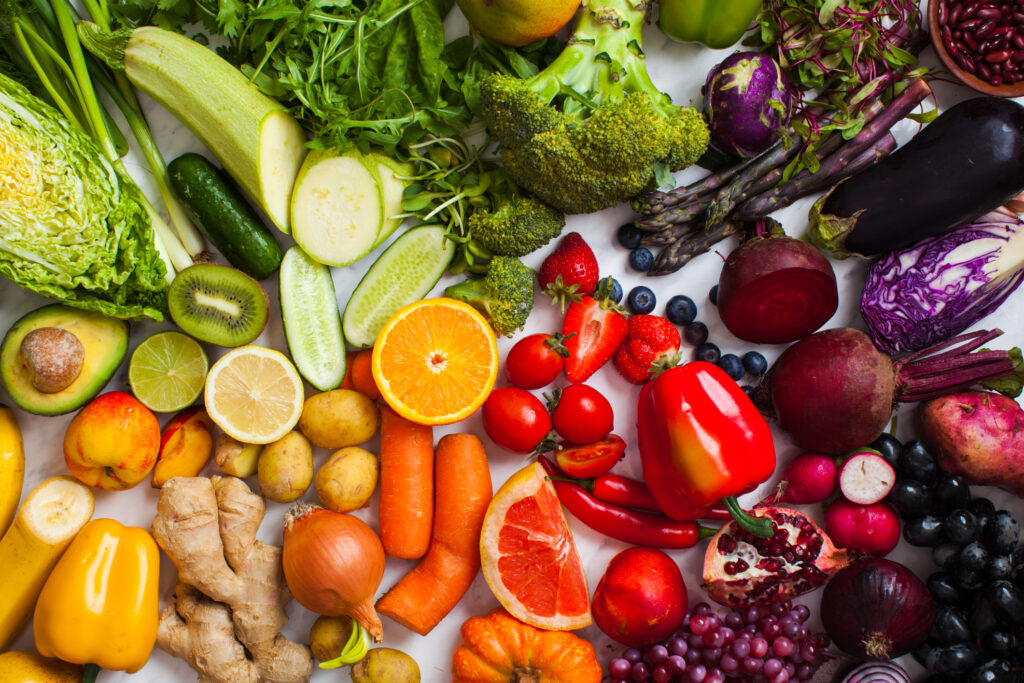
A nutrient-focused, whole-food approach can play a supportive role in managing many health conditions, especially when paired with healthy lifestyle habits like physical activity and good-quality sleep. A food-based approach to nutrition offers health benefits that go far beyond what supplements can provide. Whole foods deliver a natural balance of nutrients that work synergistically, meaning vitamins, minerals, phytonutrients, healthy fats, carbohydrates and fiber can support each other for better overall health outcomes. Nutrient-dense foods like leafy greens, fruits, legumes, nuts, seeds, and fish are efficient, cost-effective, and widely accessible options that fit easily into a healthy diet and good eating patterns. By choosing whole foods first, you not only support a more balanced diet but also avoid the added costs and potential nutrient insufficiencies that can come with eating highly processed foods and relying solely on supplements to make up the shortfall.
The variety of nutrient-dense foods available across food groups makes it easy to enjoy a satisfying, diverse, and plant-forward (though not solely plant-based) way of eating. Many of these foods provide additional health benefits including antioxidants (which are anti-inflammatory), insoluble fiber for gut health, which in turn supports overall health and wellness. Because whole foods are often more accessible and affordable than supplements, a food-based approach creates a sustainable foundation for long-term well-being.
Nutrivore encourages filling your plate with a wide range of nutrient-rich foods without the need for restrictive rules, making it easy to prevent and support health conditions through the simple power of food. With a Nutrivore approach (maximizing nutrient density across food groups), a nutritious, balanced, and enjoyable way of eating becomes both achievable and flexible for any lifestyle. While it isn’t a replacement for medical care or the advice of a registered dietitian, a balanced, food-first approach can complement your overall strategy for improving many health conditions and support long-term health goals.