
Table of Contents[Hide][Show]
Inflammation is your body’s natural response to injury, infection, or irritants. Acute inflammation helps heal — think redness, swelling, heat around a cut. More problematic is chronic inflammation, where immune responses stay active long after the trigger is gone or are triggered inappropriately. Over time, that persistent activation can damage tissues, disrupt immune regulation, and contribute to many diseases.
Immunity refers to how your body defends itself against pathogens (viruses, bacteria) and keeps internal balance (homeostasis). Inflammation is part of immunity — when correctly regulated, it protects you. But when out of balance, it can become harmful (autoimmune diseases, metabolic issues, etc.).
A recent study from the Mayo Clinic estimates that about 15 million people in the U.S. (roughly 4.6% of the population) have one or more diagnosed autoimmune diseases. These are inflammatory in nature. Another report notes that immune‑mediated inflammatory diseases (IMIDs) — which includes conditions like psoriasis, rheumatoid arthritis, inflammatory bowel disease, etc. — are common and cause substantial disability. Diet is also a contributor: more than half of U.S. adults are estimated to consume pro‑inflammatory diets (i.e., diets that promote inflammation).
What Are Causes and Risk Factors of Immunity & Inflammation Dysregulation?
Several interrelated causes and risk factors contribute to inflammation and immune dysregulation:
- Lifestyle Factors: Obesity, especially visceral fat, which secretes inflammatory cytokines, poor diet: high in processed foods, saturated fats, sugars, low fiber, physical inactivity, smoking, alcohol overuse, chronic stress, poor sleep. Sleep disturbances and stress also raise inflammatory markers.
- Environmental and External Triggers: Exposure to pollutants, toxins, smoke, asbestos, particulate matter, etc. Ongoing low‑level infections or exposure to gut microbiome imbalance.
- Genetics and Immune System Variation: Family history of autoimmune or inflammatory conditions, age: immune regulation often becomes less efficient with aging making chronic inflammation more likely.
- Underlying Medical Conditions: Autoimmune diseases (e.g., rheumatoid arthritis, lupus, psoriasis) are inflammatory, metabolic disorders like type 2 diabetes, cardiovascular disease.
How Do You Reduce Risk of Immunity & Inflammation Dysregulation?

While some risk factors (age, genetics) can’t be changed, many are modifiable. These are ways to reduce risk or manage inflammation proactively:
- Nutrition: Emphasize an anti‑inflammatory diet: plenty of colorful fruits and vegetables, whole grains, legumes, nuts, seeds, and fish. Eat foods rich in antioxidants, polyphenols, fiber. Limit pro‑inflammatory foods: processed meats, refined sugars, trans fats, excessive saturated fats.
- Physical Activity: Regular moderate exercise helps reduce inflammatory markers and improve immune regulation. Avoid both sedentary lifestyle and over-exertion without rest.
- Adequate Sleep & Stress Management: Aim for consistent, quality sleep — insufficient sleep contributes to immune dysregulation. Practices such as mindfulness, meditation, breathing exercises, yoga, or other stress‑relief strategies are helpful.
- Avoiding Environmental Toxins: Reduce exposure to air pollutants, smoke (including second‑hand), chemicals in household products. Stay aware of occupational hazards.
- Address Underlying Health Conditions: Manage chronic diseases (diabetes, hypertension, obesity) through medical guidance. Use appropriate treatment for autoimmune conditions under healthcare supervision.
Nutrients for Immunity & Inflammation
Learn more about all of the nutrients linked to immunity and inflammation, the other ways these nutrients improve our health, and the best food sources of each of them!

How Do Nutrients Improve Immunity & Inflammation?
A Nutrivore approach emphasizes nutrients that help the body function at its best—including those involved in regulating immune responses and inflammation. Current research highlights the following nutrients for supporting immunity and inflammation, along with food sources to help you incorporate these nutrients through your diet.
| Nutrient | How it Supports Immunity & Inflammation | Top Food Sources |
|---|---|---|
| Vitamin A | Vitamin A is essential for immune cell proliferation and differentiation, earning its historic label as the “anti-infective vitamin.” Deficiency increases susceptibility to infections, measles complications, respiratory illness, and autoimmune disease. | Liver, cod liver oil, egg yolks, grass-fed dairy, shrimp, salmon, sardines, tuna; precursors in carrots, sweet potatoes, spinach, broccoli, cantaloupe, mangoes, winter squash, lettuce, tomatoes, apricots, bell peppers. |
| Vitamin B3 (Niacin) | Niacin improves inflammation-related outcomes in certain diseases, protects beta-cells, and may reduce risk of type 1 diabetes through anti-inflammatory and immunomodulatory effects, though benefits for long-term glycemic control remain unclear. | Red meat, poultry, seafood (salmon, tuna), yeast, organ meat, shellfish, mushrooms, leafy greens, nuts, seeds, legumes, and fortified grains/cereals. |
| Vitamin B6 | Higher B6 status is associated with lower inflammatory markers like CRP and fibrinogen; however, inflammation itself can reduce B6 levels, making the relationship bidirectional. | Fish, leafy greens, root vegetables, bananas, chickpeas, red meat, poultry, sunflower seeds, pumpkin seeds, and fortified cereals. |
| Vitamin B7 (Biotin) | Biotin deficiency increases inflammatory responses in dendritic cells and CD4+ T cells via mTOR activation, suggesting biotin plays an anti-inflammatory regulatory role. | Egg yolks, liver, yeast, almonds, walnuts, avocados, sweet potatoes, and tomatoes. |
| Vitamin C | Vitamin C reduces the severity and duration of colds, lowers risk of infection-induced asthma attacks, and improves immune responses due to its antioxidant and antiviral properties. | Citrus fruits, kiwis, berries, red peppers, guavas, papayas, broccoli, Brussels sprouts, tomatoes, cantaloupe, leafy greens, and certain organ meats. |
| Vitamin E | Vitamin E enhances immune function—particularly in older adults—improving neutrophil activity, NK cell function, T-cell performance, and vaccine antibody responses. It may also reduce risk of upper respiratory infections. | Sunflower seeds, almonds, hazelnuts, avocados, olives/olive oil, palm oil, vegetable oils, fatty fish, organ meats, tomatoes, oats, wheat germ, peanuts, chestnuts, coconut, kiwis, carrots, and fortified cereals. |
| Vitamin K | Early evidence suggests vitamin K may reduce inflammation, support endocrine function, and lower mortality risk, though mechanisms are not yet well defined. | K1 sources: leafy greens (kale, chard, collards, spinach), broccoli, Brussels sprouts. K2 sources: natto, liver, egg yolks, hard cheeses, butter, pork, dark chicken meat. |
| CoQ10 | CoQ10 significantly reduces inflammatory markers such as CRP, IL-6, and TNF-α, with strongest effects at 300–400 mg/day, supporting its role as a potent systemic anti-inflammatory compound. | Oily fish (salmon, mackerel, yellowtail, trout, sardines), organ meats (heart, liver, kidney), beef, chicken, pork, Brassica vegetables, legumes, peanuts, pistachios, walnuts, hazelnuts, and seeds. |
| Copper | Copper participates in innate immunity by generating hydroxyl radicals that damage pathogens; activated macrophages concentrate copper to kill microbes. | Oysters and other shellfish, legumes, nuts, seeds, organ meats, sweet potatoes, salmon, tempeh, dark chocolate, avocados, and mushrooms. |
| Selenium | Selenium supports antiviral immunity, particularly in HIV, where supplementation improves CD4 counts, reduces hospitalizations, and slows viral load progression; it may also aid in asthma, IBD, and sepsis due to antioxidant selenoproteins. | Brazil nuts, seafood, organ meats, muscle meats, and mushrooms (especially shiitake and button). |
| Sodium | High sodium intake activates macrophages, increases Th17 differentiation, and promotes inflammatory cytokine production, worsening autoimmune-related inflammation in animal and human studies. | Processed and salted foods (soups, cured meats, salted nuts, pickles, olives, bread, packaged snacks, fast food, canned foods), condiments like soy sauce, plus natural sources such as seafood, seaweed, fish eggs, spinach, celery, chard, beets, carrots, milk, and baking soda. |
| Zinc | Zinc reduces duration and severity of colds by inhibiting viral binding and replication, enhances immune function in aging, and lowers risk of opportunistic infections in HIV. It may also improve Covid-19 outcomes when zinc status is adequate. | Red meat, organ meats (liver, heart), oysters, eggs, legumes, nuts, whole grains, and fortified cereals (with higher bioavailability from animal foods) |
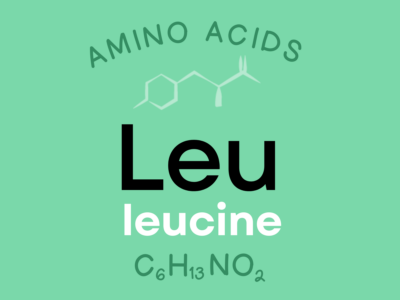
| Isoleucine, Leucine & Valine (BCAAs) | BCAAs help prevent exercise-induced immune suppression by improving lymphocyte activity, cytokine production, and glutamine availability; however, their individual contributions are unclear and more research is needed. | Eggs, poultry, beef, pork, seafood, dairy, legumes (especially soybeans), chickpeas, lentils, almonds, peanuts, hempseed. |
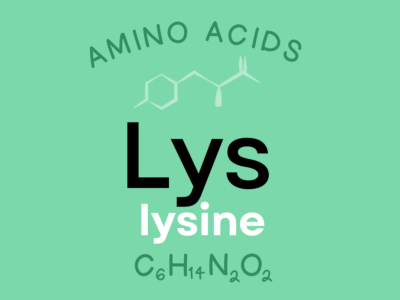
| Lysine | Lysine may help prevent herpes simplex virus outbreaks by inhibiting arginine-dependent viral replication, reducing recurrence frequency though not necessarily severity or duration. | Eggs, red meat, poultry, shellfish, fin fish (tuna, salmon, cod, sardines), cheese (parmesan, ricotta), yogurt, soybeans, legumes, spirulina, fenugreek seed. |
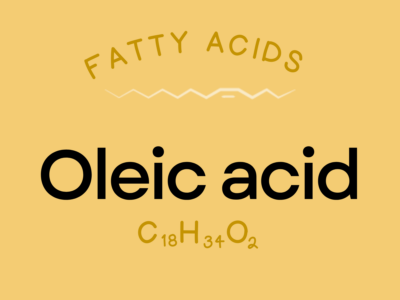
| Oleic Acid | Oleic acid lowers CRP, reduces adhesion molecule expression, modulates reactive oxygen species, influences T-cell and NK-cell activity, and may speed wound healing—demonstrating broad anti-inflammatory effects. | Olives/olive oil, avocados/avocado oil, palm oil, canola oil, peanuts/peanut oil, sunflower seeds/oil, pecans, macadamia nuts, sesame seeds/oil, grapeseed oil, soybean oil, cocoa butter, turkey fat, chicken fat, lard. |
| CLA | CLA reduces inflammatory mediators like prostaglandin E2, decreases arachidonic acid availability, and improves immune antibody profiles while increasing anti-inflammatory cytokines such as IL-10. | Grass-fed beef and lamb, grass-fed butter and cheese, and full-fat dairy from pasture-raised animals. |
Nutrients for Immunity & Inflammation
Nutrients for Immunity & Inflammation explains all the nutrients that matter most for chronic inflammation and the health of the immune system! This e-book is exclusively available in Patreon!
Plus every month, you’ll gain exclusive and early access to a variety of resources, including a weekly video podcast, a new e-book in a series, nutrient fun factsheet, and more! Sign up now and also get 5 free Nutrivore guides as a welcome gift! Win-win-win!
Benefits of a Food-Based Approach
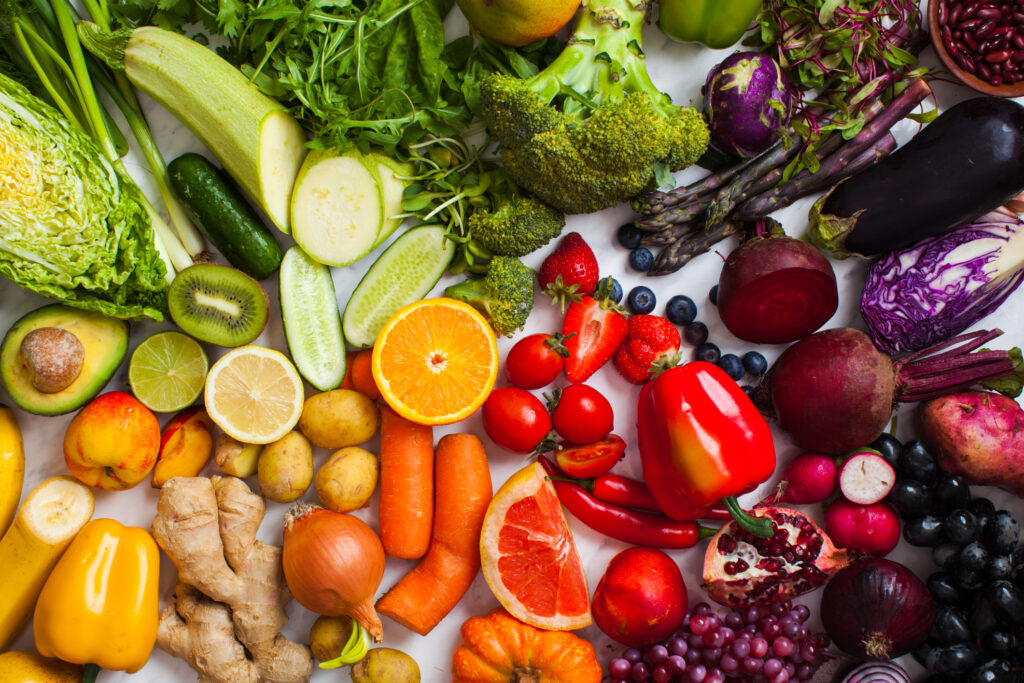
A nutrient-focused, whole-food approach can play a supportive role in managing many health conditions, especially when paired with healthy lifestyle habits like physical activity and good-quality sleep. A food-based approach to nutrition offers health benefits that go far beyond what supplements can provide. Whole foods deliver a natural balance of nutrients that work synergistically, meaning vitamins, minerals, phytonutrients, healthy fats, carbohydrates and fiber can support each other for better overall health outcomes. Nutrient-dense foods like leafy greens, fruits, legumes, nuts, seeds, and fish are efficient, cost-effective, and widely accessible options that fit easily into a healthy diet and good eating patterns. By choosing whole foods first, you not only support a more balanced diet but also avoid the added costs and potential nutrient insufficiencies that can come with eating highly processed foods and relying solely on supplements to make up the shortfall.
The variety of nutrient-dense foods available across food groups makes it easy to enjoy a satisfying, diverse, and plant-forward (though not solely plant-based) way of eating. Many of these foods provide additional health benefits including antioxidants (which are anti-inflammatory), insoluble fiber for gut health, which in turn supports overall health and wellness. Because whole foods are often more accessible and affordable than supplements, a food-based approach creates a sustainable foundation for long-term well-being.
Nutrivore encourages filling your plate with a wide range of nutrient-rich foods without the need for restrictive rules, making it easy to prevent and support health conditions through the simple power of food. With a Nutrivore approach (maximizing nutrient density across food groups), a nutritious, balanced, and enjoyable way of eating becomes both achievable and flexible for any lifestyle. While it isn’t a replacement for medical care or the advice of a registered dietitian, a balanced, food-first approach can complement your overall strategy for improving many health conditions and support long-term health goals.