
High cholesterol (or hyperlipidemia) refers to elevated levels of lipids (fatty substances that help the body perform certain functions) in the blood, particularly low-density lipoprotein (LDL) cholesterol, which is often called “bad” cholesterol. While cholesterol is essential for certain body functions—like building cells and producing hormones—excessive LDL can lead to plaque formation in the arteries. This plaque buildup (atherosclerosis) narrows the arteries, restricting blood flow and increasing the risk of coronary artery disease (CAD) and other cardiovascular complications.
Approximately 95 million American adults have high cholesterol levels. According to the Centers for Disease Control and Prevention (CDC), nearly 1 in 3 adults in the U.S. has elevated LDL cholesterol levels, which places them at a significantly higher risk for developing heart disease.
Cholesterol is a substance found in your blood that is made by the liver. It is a waxy substance that is needed by the body to build new cells, produce hormones, and insulate nerves. A healthy level of cholesterol is imperative to optimal health, but too much cholesterol can increase your risk for heart disease.
There are three main types of cholesterol:
- Low-Density Lipoprotein (LDL) Cholesterol (Bad Cholesterol):
- LDL cholesterol is often referred to as “bad” cholesterol because high levels can lead to the buildup of plaque in the arteries. This plaque narrows and hardens the arteries, increasing the risk of coronary artery disease (CAD), heart attack, and stroke.
- High-Density Lipoprotein (HDL) Cholesterol (Good Cholesterol):
- HDL cholesterol is known as “good” cholesterol because it helps remove LDL cholesterol from the bloodstream and transport it to the liver, where it is processed and removed from the body. High levels of HDL cholesterol can reduce the risk of heart disease.
- Very Low-Density Lipoprotein (VLDL) Cholesterol:
- VLDL is another type of lipoprotein that carries triglycerides, a type of fat, in the blood. High levels of VLDL can contribute to the buildup of plaque in the arteries, similar to LDL.
As mentioned, the liver normally produces all the cholesterol that your body needs to function optimally. However, lifestyle choices including high-fat diets and too many ultra-processed foods can tip the scale and introduce additional levels of cholesterol into the body, resulting in higher LDL levels, ultimately increasing the risk of heart disease.
What Are Causes and Risk Factors of High Cholesterol?
High cholesterol can be caused by a combination of genetic and lifestyle factors.
- Diet: Consuming foods high in saturated fats and trans fats can raise LDL cholesterol levels. These unhealthy fats are found in processed foods, fried foods, baked goods, red meat, and full-fat dairy products. In contrast, a diet rich in fruits, vegetables, whole grains, and healthy fats (like those found in nuts, seeds, and fish) can help lower LDL cholesterol.
- Lack of Physical Activity: A sedentary lifestyle can contribute to high cholesterol levels. Physical activity helps increase HDL cholesterol (good cholesterol) while lowering LDL cholesterol (bad cholesterol) and triglycerides. Lack of exercise can lead to weight gain, which is associated with higher cholesterol levels.
- Obesity: Being overweight or obese is a significant risk factor for high cholesterol. Excess body fat, particularly around the abdomen, is linked to higher LDL cholesterol and lower HDL cholesterol levels, increasing the risk of heart disease.
- Genetics: Familial hypercholesterolemia is an inherited condition that causes high levels of LDL cholesterol from a young age. People with this condition are at a higher risk of developing atherosclerosis and heart disease earlier in life.
- Age and Gender: Cholesterol levels tend to rise as people age. Before menopause, women generally have lower total cholesterol levels than men. However, after menopause, women’s LDL cholesterol levels often rise, increasing their risk of heart disease. Also, as people age, their cholesterol levels tend to rise. Women’s cholesterol levels often increase after menopause.
- Other Medical Conditions: Conditions like diabetes, hypothyroidism, and kidney or liver disease can contribute to high cholesterol levels. For example, diabetes can increase LDL cholesterol while lowering HDL cholesterol, making it a significant risk factor for heart disease.
- Smoking: Smoking damages the walls of blood vessels, making them more prone to accumulating cholesterol and forming plaque. Smoking also lowers HDL cholesterol, and increases the risk of plaque buildup in the arteries.
- Family History: A family history of high cholesterol or early heart disease increases the risk of developing high cholesterol.
How Do You Reduce Risk of High Cholesterol?
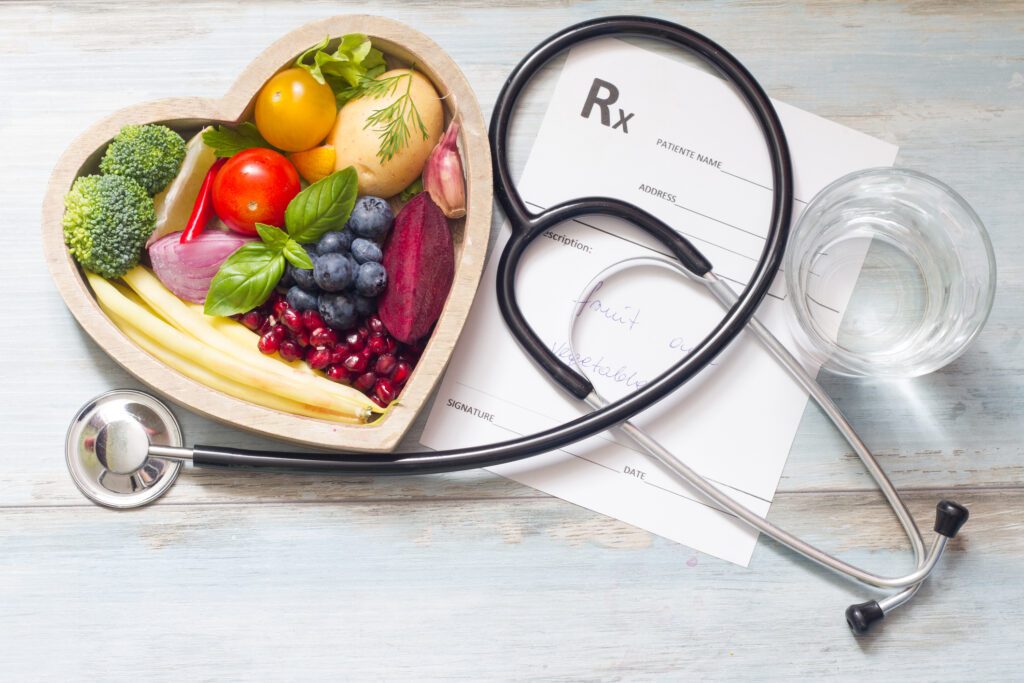
The good news is that high cholesterol can often be managed or prevented through a combination of lifestyle changes and, in some cases, medication. Here are some effective ways to reduce the risk of high cholesterol and improve heart health:
- Eat a Nutrivore Diet: Emphasize whole foods like fruits, vegetables, whole grains, and lean proteins. Choose healthy fats, such as those found in olive oil, avocados, and fatty fish, like salmon. Increase fiber intake, as soluble fiber found in oats, beans, and fruits can help lower LDL cholesterol.
- Exercise Regularly: Regular physical activity helps raise HDL cholesterol while lowering LDL cholesterol and triglycerides.
- Quit Smoking: Quitting smoking can improve HDL cholesterol levels and reduce the risk of heart disease and stroke. It also helps improve overall cardiovascular health.
- Limit Alcohol Consumption: Drinking alcohol in moderation may help raise HDL cholesterol, but excessive alcohol consumption can lead to high blood pressure, heart failure, and other health problems.
- Talk to Your Doctor About Medications: There are medications that have been developed for the management of cholesterol levels. This is something that should be discussed with your doctor directly.
- Lower and manage chronic stress: Chronic stress can contribute to heart disease, so finding healthy ways to manage stress, such as through meditation or hobbies, can be extremely beneficial.
There is a plethora of research that has been done over many decades in the areas of heart disease and high cholesterol. Some of the historical beliefs have been debunked (think: you should avoid eggs if you have high cholesterol…*eye roll*), but there have been even more studies that have parsed out the benefits of individual nutrients on heart disease. The goals of Nutrivore are aimed at exactly that: how to add in nutrients to improve your health and to understand what a powerful tool your food can be for your health!
Nutrients for High Cholesterol
Learn more about all of the nutrients linked to risk of high cholesterol, the other ways these nutrients improve our health, and the best food sources of each of them!
How Do Nutrients Improve High Cholesterol?
A Nutrivore approach emphasizes nutrients that help the body function at its best—including lipid metabolism, vascular health, and cholesterol balance. Current research highlights the following nutrients for high cholesterol support, along with food sources to help you incorporate these nutrients through your diet.
| Nutrient | How it Supports High Cholesterol | Top Food Sources |
|---|---|---|
| Vitamin B2 (Riboflavin) | Riboflavin plays a role in methylation pathways involved in cardiovascular health, and low intake is associated with adverse lipid profiles, although direct cholesterol effects are inconsistent. | Rich sources of riboflavin include organ meat, mushrooms, leafy green vegetables, eggs, milk and other dairy products, almonds, yeast, legumes, and squash. |
| Vitamin B3 (Niacin) | Niacin lowers LDL and triglycerides while raising HDL by reducing hepatic VLDL synthesis and inhibiting lipolysis; it is one of the best-studied nutrients for improving lipid profiles. | Good food sources of niacin include red meat, poultry, seafood like salmon and tuna, yeast, organ meat, shellfish, mushrooms, leafy greens, nuts, seeds, legumes, and fortified grains and cereals. |
| Vitamin B5 (Pantothenic Acid / Pantethine) | Pantethine, a derivative of vitamin B5, has been shown to significantly lower LDL cholesterol and triglycerides by enhancing fatty acid metabolism and improving lipid clearance. | Richest sources include organ meats, red meat, shellfish, oily fish, dairy products, eggs, legumes, mushrooms, avocados, seeds, whole grains, sweet potatoes, and fortified cereals. |
| Vitamin B6 | Higher vitamin B6 status is associated with lower cardiovascular risk markers, and deficiency is linked to impaired lipid metabolism, though direct mechanisms remain unclear. | Good sources include fish, leafy greens, root vegetables, bananas, chickpeas, red meat, poultry, sunflower seeds, pumpkin seeds, and fortified cereals. |
| Vitamin B9 (Folate) | Folate supports homocysteine metabolism, and improved homocysteine status is associated with healthier lipid markers and reduced cardiovascular risk. | Top food sources include organ meats, leafy greens, asparagus, avocados, Brussels sprouts, legumes, eggs, beets, citrus fruits, strawberries, pomegranates, broccoli, nuts, seeds, and fortified grains. |
| Vitamin B12 | Low B12 levels correlate with adverse lipid patterns and increased cardiovascular risk, though direct cholesterol-lowering mechanisms are not well defined. | Good sources include red meat, some organ meats (especially liver and heart), seafood (especially oysters), eggs, legumes, nuts, and whole grains. |
| Vitamin C | Vitamin C may modestly reduce LDL oxidation and improve endothelial function; low vitamin C status is associated with poorer cardiovascular outcomes. | Top food sources include citrus fruits, kiwis, berries, red peppers, guavas, papayas, broccoli, Brussels sprouts, tomatoes, cantaloupe, leafy greens, and certain organ meats. |
| Vitamin D | Low vitamin D levels are associated with higher LDL and increased cardiovascular risk; supplementation may reduce inflammation and improve lipid markers in deficient individuals | Top food sources include fatty fish, fish eggs, liver, red meat, egg yolks, and UV-exposed mushrooms or yeast. |
| Vitamin E | Vitamin E reduces lipid oxidation, which is a key step in the development of atherosclerosis; however, evidence for changes in LDL or HDL levels is inconsistent. | Top food sources include nuts and seeds (especially sunflower seeds), wheat germ oil, peanuts, chestnuts, coconut, kiwis, and carrots. |
| Vitamin K | Higher vitamin K intake is associated with reduced cardiovascular mortality, potentially due to effects on vascular calcification, which is closely linked to long-term cholesterol burden. | Top food sources include leafy greens, broccoli, Brussels sprouts, natto, organ meats, egg yolks, certain hard cheeses, butter, pork, and dark chicken meat. |
| Choline | Choline influences lipid metabolism in the liver, and adequate intake is required for VLDL export; deficiency can lead to fatty liver and impaired cholesterol transport. | Top food sources include egg yolks, poultry, fish, fish eggs, cruciferous vegetables (especially broccoli and cauliflower), salmon, peanuts, soybeans, and dairy. |
| CoQ10 | CoQ10 may reduce LDL oxidation and improve endothelial function; some studies show improvements in total and LDL cholesterol, particularly in individuals taking statins (which reduce endogenous CoQ10). | Top food sources include oily fish, organ meats, beef, chicken, pork, Brassica vegetables, legumes, peanuts, nuts, and seeds. |
| Calcium | Calcium may modestly lower LDL by binding fats in the digestive tract and reducing cholesterol absorption; effects are small but consistent. | Top food sources include dairy products (especially low-fat dairy), bone-in fish, green vegetables like kale and collards, seaweed, beans, and fortified foods. |
| Chloride | Some research links chloride (as part of sodium chloride) with cardiovascular risk; effects appear tied to sodium handling rather than direct cholesterol mechanisms. More research is needed. | Foods high in chloride ions include prawns, salmon, seaweed, tomatoes, olives, celery, and lettuce, as well as foods prepared with table salt. |
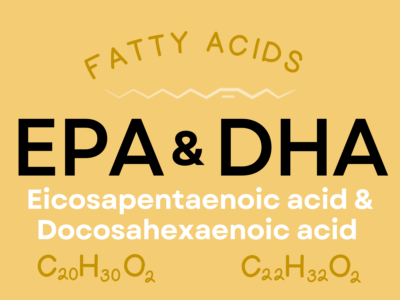
| EPA & DHA | Omega-3s lower triglycerides, reduce inflammation, improve endothelial function, and may raise HDL, making them strongly beneficial for dyslipidemia. | Top food sources include salmon, herring, mackerel, sardines, menhaden, algae, cod liver oil, mussels, crab, oysters, and squid. |
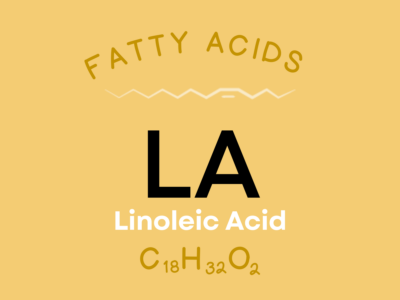
| Linoleic Acid (LA) | Higher linoleic acid intake is strongly linked with lower LDL, reduced cardiovascular events, and improved lipid profiles by enhancing LDL clearance and reducing inflammation. | Top food sources include sunflower oil, safflower oil, soybean oil, corn oil, nuts, seeds, and other vegetable oils. |
| CLA (Conjugated Linoleic Acid) | Some studies show CLA may reduce body fat and improve lipid metabolism, but effects on LDL and cholesterol markers are inconsistent. More research is needed. | Top food sources include meat and dairy from grass-fed animals, including grass-fed beef, lamb, butter, cheese, and full-fat dairy. |
| GLA (Gamma-Linolenic Acid) | GLA may reduce inflammation associated with cardiovascular disease, but direct effects on cholesterol are unclear. More research is needed. | Highest sources include flaxseeds, hempseed, evening primrose oil, blackcurrant seed oil, borage seed oil, oats, spirulina, and barley. |
| SCFAs | SCFAs produced by gut bacteria may improve lipid metabolism by reducing hepatic cholesterol synthesis and decreasing inflammation, though human evidence is early. | Top food sources include butter and other high-fat dairy, fermented foods like sauerkraut, pickles, yogurt, soy sauce, certain cheeses, vinegar, and alcohol (with most SCFAs produced by gut bacteria). |
| MCTs | MCTs may improve fat metabolism, increase energy expenditure, and modestly reduce total cholesterol in some trials. More research is needed for long-term lipid effects. | Top food sources include coconut and coconut oil, palm kernel oil, and fatty dairy from cows, sheep, horses, and goats. |
| Stearic Acid | Stearic acid is unique among saturated fats because it does not raise LDL cholesterol and may even reduce it by converting to oleic acid in the body. | Top food sources include meat, cocoa butter, eggs, and animal fats such as lard, butter, and tallow. |
| Oleic Acid | Oleic acid improves lipid profiles by lowering LDL, raising HDL, reducing inflammation, and improving endothelial function. | Top food sources include olives and olive oil, avocados and avocado oil, vegetable oils such as canola, sunflower, sesame, peanut, grapeseed, soybean, palm oil, peanuts, nuts, cocoa butter, and animal fats. |
Nutrients for High Cholesterol
Nutrients for High Cholesterol explains all the nutrients that matter most for the health of your cardiovascular system! This e-book is exclusively available in Patreon!
Plus every month, you’ll gain exclusive and early access to a variety of resources, including a weekly video podcast, a new e-book in a series, nutrient fun factsheet, and more! Sign up now and also get 5 free Nutrivore guides as a welcome gift! Win-win-win!
Benefits of a Food-Based Approach
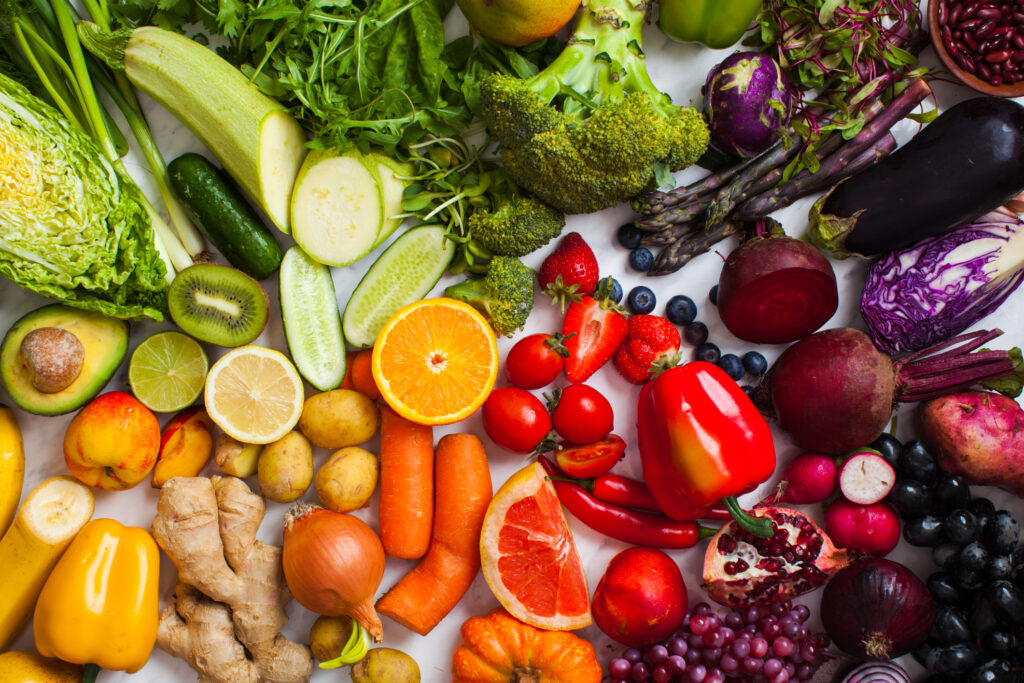
A nutrient-focused, whole-food approach can play a supportive role in managing many health conditions, especially when paired with healthy lifestyle habits like physical activity and good-quality sleep. A food-based approach to nutrition offers health benefits that go far beyond what supplements can provide. Whole foods deliver a natural balance of nutrients that work synergistically, meaning vitamins, minerals, phytonutrients, healthy fats, carbohydrates and fiber can support each other for better overall health outcomes. Nutrient-dense foods like leafy greens, fruits, legumes, nuts, seeds, and fish are efficient, cost-effective, and widely accessible options that fit easily into a healthy diet and good eating patterns. By choosing whole foods first, you not only support a more balanced diet but also avoid the added costs and potential nutrient insufficiencies that can come with eating highly processed foods and relying solely on supplements to make up the shortfall.
The variety of nutrient-dense foods available across food groups makes it easy to enjoy a satisfying, diverse, and plant-forward (though not solely plant-based) way of eating. Many of these foods provide additional health benefits including antioxidants (which are anti-inflammatory), insoluble fiber for gut health, which in turn supports overall health and wellness. Because whole foods are often more accessible and affordable than supplements, a food-based approach creates a sustainable foundation for long-term well-being.
Nutrivore encourages filling your plate with a wide range of nutrient-rich foods without the need for restrictive rules, making it easy to prevent and support health conditions through the simple power of food. With a Nutrivore approach (maximizing nutrient density across food groups), a nutritious, balanced, and enjoyable way of eating becomes both achievable and flexible for any lifestyle. While it isn’t a replacement for medical care or the advice of a registered dietitian, a balanced, food-first approach can complement your overall strategy for improving many health conditions and support long-term health goals.