
Cognitive health refers to the ability to clearly think, learn, remember, and make decisions throughout life. When cognition declines it can manifest as memory loss, diminished thinking skills, or mood changes. It may also signal conditions such as Alzheimer’s disease, various forms of dementia, mood disorders, or other neurological‑cognitive disorders. These conditions are not a normal part of aging, but the risk increases as we grow older.
- Alzheimer’s disease (AD): The most common cause of dementia, marked by progressive memory loss and cognitive impairment.
- Dementia: A broad term for declines in memory, thinking, or other cognitive skills severe enough to interfere with daily life. AD accounts for 60‑80% of dementia cases.
- Mild cognitive impairment (MCI): A stage of cognitive decline that’s greater than expected with normal aging, but not severe enough to interfere significantly with daily life.
- Mood and neurological disorders: Conditions such as depression and anxiety may overlap with cognitive impairment, and neurological diseases like Parkinson’s disease or Multiple Sclerosis can directly impair cognition.
An estimated 7.2 million Americans aged 65+ are living with Alzheimer’s or another dementia in 2025, and about 1 in 9 people age 65+ have Alzheimer’s. For adults age 65 and older overall, about 10 % have dementia, per a 2024 NCHS report. Studies also show the lifetime risk of dementia is 11–14 % for men and 19–23 % for women in the U.S. Cognitive decline is much harder to study as it is subjective and the perception of the decline can depend on many different factors.
What Are Causes and Risk Factors of Cognitive Diseases?
Major causes and contributing factors of cognitive decline, and neurological health can include but are not limited to:
- Age: The strongest risk factor. The older you are, the higher the risk of developing cognitive impairment.
- Genetics: Family history and certain genes (e.g., APOE ε4) increase risk of Alzheimer’s.
- Cardiovascular Risk Factors: High blood pressure, diabetes, obesity, stroke, and heart disease are linked to dementia risk.
- Lifestyle Factors: Poor diet, physical inactivity, smoking, excessive alcohol, low education, limited cognitive engagement can all contribute to cognitive decline.
- Mood Disorders and Sleep Problems: Depression, chronic stress, insufficient sleep and sleep apnea are linked to cognitive decline.
- Nutrient/Metabolic factors: Nutrient deficiencies and metabolic problems (e.g., insulin resistance) impact brain health.
How Do You Reduce Risk of Cognitive Disease?

The good news: Many risk‑factors are modifiable. Steps to support your brain health include:
- Healthy Diet: Dietary patterns rich in vegetables, fruits, legumes, fish, nuts, whole grains and unsaturated fats are associated with lower risk of cognitive decline.
- Regular Physical & Cognitive Activity:
- Engaging in moderate exercise helps cardiovascular health and supports brain circulation.
- Keeping mentally active (learning new skills, socializing, reading) builds “cognitive reserve.”
- Cardiovascular & Metabolic Health Management:
- Maintain a healthy blood pressure, cholesterol, blood sugar and weight. These influence brain aging and dementia risk.
- Avoid smoking and limit alcohol.
- Good Sleep & Stress Management:
- Prioritize quality sleep; treat sleep disorders. Poor sleep is linked to brain‑health decline.
- Manage stress and maintain strong social connections, which support mental and cognitive resilience.
- Early Detection & Regular Monitoring:
- Be alert to signs of cognitive change (memory lapses, mood shifts, difficulty problem‑solving). Early intervention may provide better outcomes.
- Regular check‑ups are important for those with high risk (e.g., diabetes, high blood pressure, family history).
Nutrients for Cognitive Health
Learn more about all of the nutrients linked to cognitive health, the other ways these nutrients improve our health, and the best food sources of each of them!

How Do Nutrients Improve Cognitive Health?
A Nutrivore approach emphasizes nutrients that help the body function at its best—including brain cells, neurotransmitters, and the systems that support memory and cognitive resilience. Current research highlights the following nutrients for cognitive health, along with food sources to help you incorporate these nutrients through your diet.
| Nutrient | How it Supports Cognitive Health | Top Food Sources |
|---|---|---|
| Vitamin B1 (Thiamin) | Low thiamin status and reduced thiamin-dependent enzyme activity are associated with greater Alzheimer’s disease risk; animal studies show supplementation improves cognitive impairments, though human trials remain inconsistent. | Top food sources include organ meat, pork, seeds, squash, yeasts, fish (especially trout, mackerel, salmon, and tuna), legumes, and whole grains; many cereals and breads are fortified. |
| Vitamin B2 (Riboflavin) | Higher riboflavin intake has been linked with better global cognition, verbal memory, and reduced cognitive decline, and lower riboflavin levels have been observed in Alzheimer’s patients. | Top food sources include organ meat, mushrooms, leafy greens, eggs, dairy products, almonds, yeast, legumes, and squash. |
| Vitamin B3 (Niacin) | Higher niacin intake is associated with a markedly lower risk of Alzheimer’s disease and slower cognitive decline, and animal models show niacin may positively influence cognition-related pathways. | Top food sources include red meat, poultry, seafood such as salmon and tuna, yeast, organ meats, shellfish, mushrooms, leafy greens, nuts, seeds, legumes, and fortified grains or cereals. |
| Vitamin B7 (Biotin) | Biotin depletion disrupts mitochondrial function in brain cells and may contribute to neurodegeneration; Alzheimer’s patients show reduced levels of carboxylase-bound biotin in brain tissue. | Top food sources include egg yolks, liver, yeast, almonds, walnuts, avocados, root vegetables like sweet potatoes, and tomatoes. |
| Vitamin B9 (Folate) | Low folate status is consistently linked to cognitive dysfunction, dementia, and Alzheimer’s disease, though supplementation trials show mixed results; folate is essential for brain development and neural maintenance. | Top food sources include liver, leafy greens, asparagus, avocados, Brussels sprouts, legumes, eggs, beets, citrus fruits and orange juice, strawberries, pomegranates, broccoli, nuts, seeds, and fortified grain products. |
| Vitamin B12 (Cobalamin) | B12 deficiency is common in Alzheimer’s patients and contributes to elevated homocysteine, myelin damage, and neurological decline; low B12 biomarkers correlate with faster cognitive deterioration. | Top food sources include fish (sardines, salmon, tuna, cod), shellfish, organ meats, beef, eggs, poultry, dairy, some fermented soy foods, and fortified cereals or plant milks. |
| Vitamin C | Higher vitamin C intake significantly reduces risk of Alzheimer’s and Parkinson’s disease, and people with neurodegenerative conditions tend to have lower vitamin C levels than healthy individuals. | Top food sources include citrus fruits, kiwis, berries, red peppers, guavas, papayas, broccoli, Brussels sprouts, tomatoes, cantaloupe, leafy greens, and certain organ meats. |
| Vitamin D | Vitamin D supports neuroprotection, calcium regulation in neurons, and immune function, and low levels are linked to increased risk of cognitive decline, Alzheimer’s disease, and Parkinson’s disease. | Top food sources include fatty fish, fish eggs, liver, red meat, egg yolks, and UV-exposed mushrooms or yeast. |
| Vitamin E | Vitamin E reduces oxidative stress in the brain and has been shown to slow progression of Alzheimer’s disease, delay cognitive and functional decline, and improve survival when taken long-term. | Top food sources include sunflower seeds, almonds, hazelnuts, avocados, olives and their oils, palm oil, vegetable oils, fatty fish, organ meats, tomatoes, corn, asparagus, oats, peanuts, chestnuts, coconut, kiwis, carrots, and fortified cereals. |
| Vitamin K | Higher vitamin K intake and status are consistently associated with better cognitive performance and lower risk of dementia or mild cognitive impairment, likely due to roles in brain cell signaling and anti-inflammatory pathways. | Top food sources of K1 include leafy greens (kale, chard, collards, spinach), broccoli, and Brussels sprouts; K2 sources include natto, liver, egg yolks, hard cheeses, butter, pork, and dark meat chicken. |
| Choline | Choline supports acetylcholine synthesis, white-matter integrity, and neurodevelopment; higher intake is linked with better memory, processing speed, and significantly lower risk of dementia and Alzheimer’s disease. | Top food sources include egg yolks, poultry, fish, fish eggs, liver, other meats, cruciferous vegetables, salmon, peanuts, soybeans, and dairy. |
| CoQ10 | CoQ10 levels are reduced in Parkinson’s disease, and supplementation may slow functional decline and improve symptoms in some patients, though responsiveness varies and more research is needed. | Top food sources include oily fish, organ meats, beef, chicken, pork, Brassica vegetables, legumes, peanuts, nuts (including pistachios, walnuts, hazelnuts), and seeds. |
| Zinc | Zinc supplementation has been shown to stabilize cognitive deficits in Alzheimer’s patients, potentially through antioxidant and neuroprotective actions. | Top food sources include red meat, organ meats (liver, heart), oysters, eggs, legumes, nuts, whole grains, and fortified cereals. |
| Histidine | Histidine supplementation has been shown to reduce fatigue, improve attention, and enhance working memory reaction time in people with high fatigue and disrupted sleep—suggesting benefits for cognitive performance. | Top food sources include red meat, eggs, seafood, poultry, soy, beans, and nuts. |
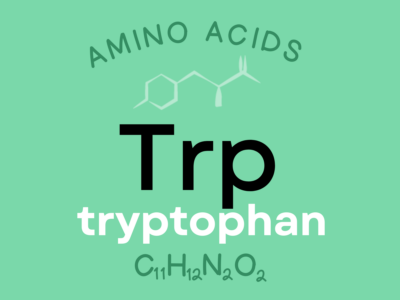
| Tryptophan | Through its impact on serotonin, tryptophan influences mood, learning, memory, and cognitive flexibility; depletion studies show negative effects on memory and cognition, while supplementation improves mood and reduces anxiety. | Top food sources include poultry, egg whites, dairy, sunflower, pumpkin, and sesame seeds, soybeans, peanuts, oats, bananas, and fish. |
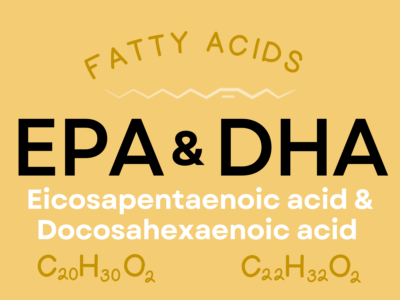
| EPA & DHA | Omega-3 fats support neuronal membrane health, reduce neuroinflammation, promote neurogenesis, and improve cognition; higher intake is associated with lower dementia risk, slower cognitive decline, and improved mood and executive function. | Top food sources include salmon, herring, mackerel, sardines, menhaden, marine algae, cod liver oil, and shellfish (mussels, crab, oysters, squid). |
| SCFAs | SCFAs may influence brain physiology, mood, and neuroinflammation, with animal studies showing benefits for memory, learning, and behavior; altered SCFA levels appear in Alzheimer’s, Parkinson’s, and autism. More human research is needed. | Top food sources include butter and high-fat dairy, lacto-fermented foods like sauerkraut, pickles, yogurt, soy sauce, certain cheeses, as well as vinegar and alcohol; most SCFAs come from gut microbes fermenting fiber. |
| MCTs | MCTs provide an alternative energy source for brains with impaired glucose metabolism, improving cognition in Alzheimer’s patients—especially those without APOE4 variants—and may support neurotransmitter balance via astrocyte metabolism. | Top food sources include coconut and coconut oil, palm kernel oil, and fatty dairy products from cows, sheep, horses, and goats. |
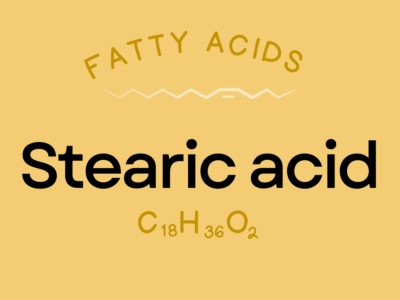
| Stearic Acid | Stearic acid may protect against neurodegeneration by improving mitochondrial function, promoting mitochondrial fusion, and protecting neurons from metabolic and excitotoxic injury, though human data are still limited. | Top food sources include meat, cocoa butter, shea butter, egg yolks, lard, butter, tallow, and peanut butter. |
Nutrients for Cognitive Health
Nutrients for Cognitive Health covers the nutrients linked to cognitive performance and reduced risk of age-related cognitive decline! This e-book is exclusively available in Patreon!
Plus every month, you’ll gain exclusive and early access to a variety of resources, including a weekly video podcast, a new e-book in a series, nutrient fun factsheet, and more! Sign up now and also get 5 free Nutrivore guides as a welcome gift! Win-win-win!
Benefits of a Food-Based Approach
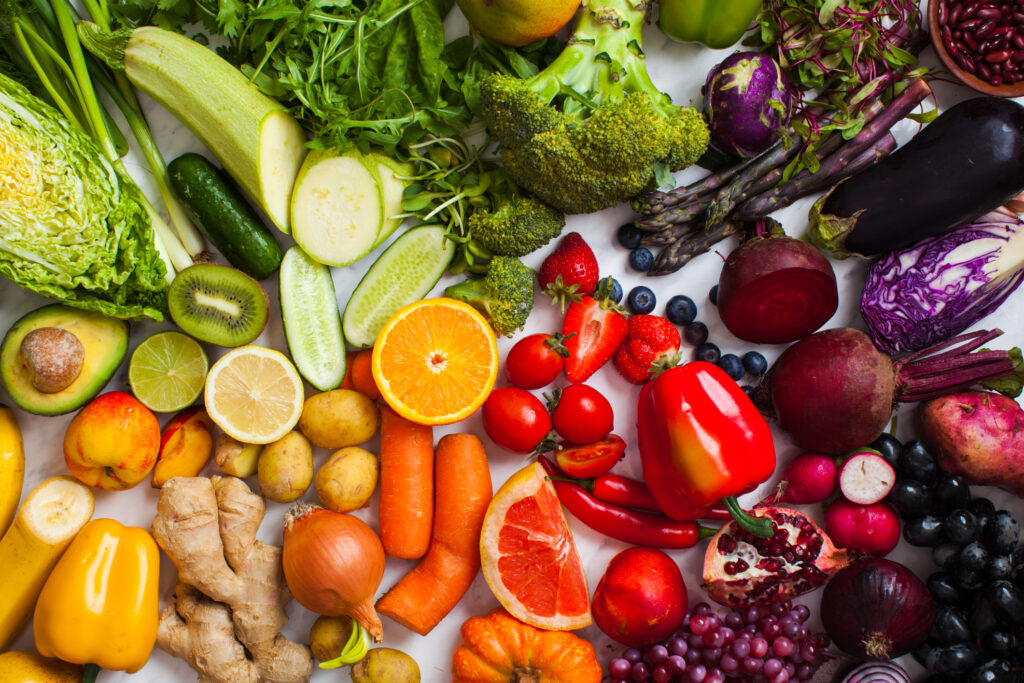
A nutrient-focused, whole-food approach can play a supportive role in managing many health conditions, especially when paired with healthy lifestyle habits like physical activity and good-quality sleep. A food-based approach to nutrition offers health benefits that go far beyond what supplements can provide. Whole foods deliver a natural balance of nutrients that work synergistically, meaning vitamins, minerals, phytonutrients, healthy fats, carbohydrates and fiber can support each other for better overall health outcomes. Nutrient-dense foods like leafy greens, fruits, legumes, nuts, seeds, and fish are efficient, cost-effective, and widely accessible options that fit easily into a healthy diet and good eating patterns. By choosing whole foods first, you not only support a more balanced diet but also avoid the added costs and potential nutrient insufficiencies that can come with eating highly processed foods and relying solely on supplements to make up the shortfall.
The variety of nutrient-dense foods available across food groups makes it easy to enjoy a satisfying, diverse, and plant-forward (though not solely plant-based) way of eating. Many of these foods provide additional health benefits including antioxidants (which are anti-inflammatory), insoluble fiber for gut health, which in turn supports overall health and wellness. Because whole foods are often more accessible and affordable than supplements, a food-based approach creates a sustainable foundation for long-term well-being.
Nutrivore encourages filling your plate with a wide range of nutrient-rich foods without the need for restrictive rules, making it easy to prevent and support health conditions through the simple power of food. With a Nutrivore approach (maximizing nutrient density across food groups), a nutritious, balanced, and enjoyable way of eating becomes both achievable and flexible for any lifestyle. While it isn’t a replacement for medical care or the advice of a registered dietitian, a balanced, food-first approach can complement your overall strategy for improving many health conditions and support long-term health goals.