Women’s health covers a broad, interconnected set of conditions from infertility and polycystic ovarian syndrome (PCOS) in the reproductive years to sarcopenia in later life, and fibrocystic breast changes across the lifespan. Issues can span reproductive, hormonal, musculoskeletal, breast, and metabolic domains. These conditions impact large numbers of U.S. women, carry both current health and future chronic‑disease implications, and share many modifiable risk factors. Weight, diet, activity, hormone and metabolic health are all factors that can contribute to the exacerbation or development of these conditions. By proactively addressing lifestyle, nutritional, reproductive and hormonal factors, and staying engaged with appropriate healthcare, women can significantly reduce the risk of these prevalent health challenges.
Some of the most prevalent and well‑known conditions include:
- Infertility/Impaired fecundity: difficulty conceiving or carrying a pregnancy.
- Pregnancy and related complications: while pregnancy itself is a normal life event, it brings risk of conditions (gestational diabetes, hypertensive disorders, etc.).
- Premenstrual syndrome (PMS) / premenstrual dysphoric disorder (PMDD): cyclical mood, physical and behavioural symptoms tied to the menstrual cycle.
- Polycystic Ovary Syndrome (PCOS): an endocrine/hormonal disorder with ovulatory dysfunction, hyperandrogenism, and polycystic ovaries.
- Sarcopenia: age‑ and hormone‑related loss of muscle mass and strength, increasingly recognised in women.
- Fibrocystic Breast Changes: benign changes in breast tissue (cysts, fibrosis) common during reproductive years.
Infertility affects approximately 13.4% of U.S. women aged 15‑49 according to the Centers for Disease Control and Prevention (CDC) 2015-2019 data. PCOS estimates vary, but PCOS is the most common endocrine disorder of reproductive‑aged women in the U.S., with prevalence often cited between 8–13%.
As women age, muscle loss, or sarcopenia, can become an increasingly serious issue, leading to falls and other serious injuries. Among adults age 60+, the prevalence of sarcopenia is estimated to be around 9% in community settings, with higher numbers reported in hospitalized or nursing‑home populations.
Fibrocystic breast changes can happen at any point throughout a women’s lifespan. It’s estimated that up to 50‑60% or even more of women experience fibrocystic changes during their lifetimes, particularly between ages ~20‑50.
What Are Causes and Risk Factors of Women’s Health Issues?
The Society for Women’s Health Research notes that many health conditions disproportionately affect women and that improving women’s health remains a key public health priority.
- Infertility causes vary widely and could be caused by conditions ranging from ovulatory disorders, tubal damage, uterine factors, male partner issues, age, lifestyle, and endocrine (or hormonal) disorders. Risk factors that can impact infertility can include but are not limited to advancing maternal age, obesity, smoking, excessive alcohol, untreated infections, PCOS, and endometriosis.
- Endometriosis is a chronic condition where tissue similar to the lining of the uterus grows outside the uterus, often on the ovaries, fallopian tubes, and other pelvic organs, leading to inflammation, scarring, and often significant pain and fertility problems. Risk factors for endometriosis include early menstruation, short menstrual cycles, heavy periods, low body mass index, never giving birth, and having a close relative (mother, sister, or aunt) with the condition.
- PCOS is a complex condition that has multi‑factorial causes including genetic predisposition, hormonal dysregulation (e.g., excess androgens), insulin resistance, obesity, and lifestyle factors. Risk factors include family history, overweight/obesity, sedentary lifestyle, and an early first period can affect PCOS risk.
- Sarcopenia is linked to aging, hormonal changes (especially menopause and reduced estrogen), inadequate nutrition, physical inactivity, and low muscle use. Risk factors include older age, female sex, low socioeconomic status, underweight or overweight, and other chronic disease.
- Fibrocystic Breast Changes are benign breast changes largely hormone‑driven (estrogen/progesterone fluctuations), and are influenced by menstrual cycles, reproductive history, hormonal therapies. Risk factors include having periods from a young age, little or late childbearing, hormonal medication use, possibly vitamin D deficiency.
- PMS/PMDD are tied to hormonal fluctuations, brain‑chemical sensitivities, stress, and lifestyle. Risk factors can include family history, preexisting mood disorders, high stress, and poor sleep. Pregnancy‑related complications often linked to maternal age, obesity, diabetes/hypertension, genetic factors, and lifestyle.
Many of these conditions overlap in risk due to common factors such as obesity, poor diet quality, physical inactivity, smoking, excessive alcohol use, hormonal imbalances, chronic stress, poor sleep, low socioeconomic status, and reproductive history (age at first birth, number of children, hormonal contraception).
How Do You Reduce Risk of Women’s Health Issues?
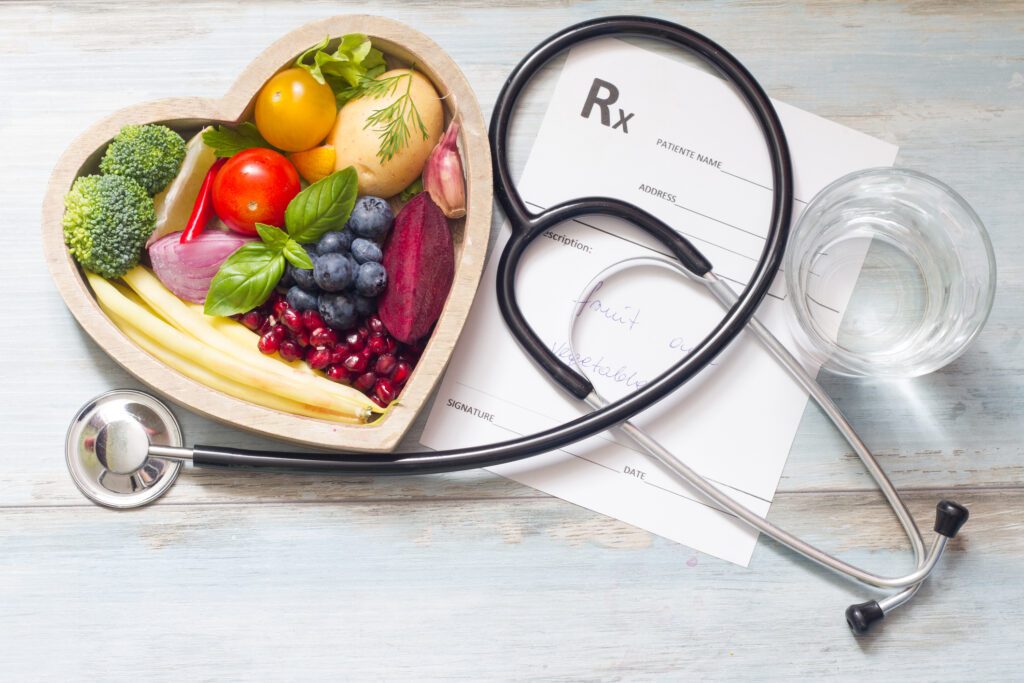
While some of these health conditions may not be avoided due to genetics and predisposition, there are several considerations that may reduce the severity or likelihood of developing women’s health conditions.
- Maintain a healthy weight and body composition: For infertility, PCOS, sarcopenia, and breast tissue health, healthy weight matters.
- Eat a nutrient‑rich diet: Focus on whole foods and a nutrient-dense Nutrivore diet; insulin resistant states worsen PCOS and infertility.
- Be physically active: Strength training and resistance work are key for preventing sarcopenia; moderate exercise supports reproductive health and hormone balance.
- Avoid smoking, limit alcohol: Smoking and heavy alcohol consumption are risk factors across many conditions, including infertility and breast health.
- Manage stress, support sleep & mental health: Stress and poor sleep interfere with hormone regulation, increase risk of PMS/PMDD, infertility, PCOS complications.
- Regular reproductive and women’s health care: Monitoring of menstrual irregularities, hormone testing, fertility evaluation when needed, breast check‑ups for benign changes and cancer risk.
- Optimize nutrition and hormonal health: For example, in PCOS addressing insulin resistance via diet and lifestyle; ensuring hormonal balance, nutrient adequacy may help; for sarcopenia ensuring sufficient protein, vitamin D and muscle stimulus.
- Reproductive planning: For fertility, consider age at childbearing, underlying health conditions, early evaluation if needed; for hormone‐driven breast conditions, consider reproductive history, hormonal therapies, breast health monitoring.
Nutrients for Women’s Health
Learn more about all of the nutrients linked to women’s health, the other ways these nutrients improve our health, and the best food sources of each of them!
How Do Nutrients Improve Women’s Health?
A Nutrivore approach emphasizes nutrients that help the body function at its best—including reproductive, hormonal, metabolic, and musculoskeletal systems. Current research highlights the following nutrients for supporting women’s health, along with food sources to help you incorporate these nutrients through your diet.
| Nutrient | How it Supports Women’s Health | Top Food Sources |
|---|---|---|
| Vitamin A | Vitamin A is essential for reproductive health, fetal organ development, and proper expression of extracellular matrix proteins that shape developing tissues. Adequate intake also supports growth, reduces childhood mortality, and improves outcomes in preterm infants. | The richest sources are liver, cod liver oil, egg yolks, grass-fed high-fat dairy, shrimp, salmon, sardines, and tuna; precursors occur in carrots, sweet potatoes, spinach, broccoli, cantaloupe, mangoes, winter squash, lettuce, tomatoes, apricots, and bell peppers. |
| Vitamin B6 | Vitamin B6 may influence hormone-related conditions by interacting with steroid receptor pathways and has demonstrated benefits for morning sickness and PMS symptom reduction. | Good sources include fish, leafy greens, root vegetables, bananas, chickpeas, red meat, poultry, and sunflower or pumpkin seeds, with many breakfast cereals also fortified. |
| Vitamin B7 (Biotin) | Biotin needs increase during pregnancy due to rapid fetal cell division, and deficiency is linked with premature delivery, growth restriction, and congenital anomalies. | Top food sources include egg yolks, liver, yeast, almonds, walnuts, avocados, sweet potatoes, and tomatoes. |
| Vitamin B9 (Folate) | Folate is critical for fetal neural tube closure and prevents congenital malformations, low birth weight, and certain cardiovascular defects; higher intake also supports oocyte quality and early implantation. | Top food sources include liver, leafy greens, asparagus, avocados, Brussels sprouts, legumes, eggs, beets, citrus fruits, orange juice, strawberries, pomegranates, broccoli, nuts, seeds, and fortified grains. |
| Vitamin B12 | Low maternal B12 increases neural tube defect risk and may impair fetal neurological development, though supplementation effects remain under investigation. | Best sources include fish (sardines, salmon, tuna, cod), shellfish, organ meats, beef, eggs, poultry, dairy, tempeh, and fortified cereals or plant milks. |
| Vitamin C | Vitamin C lowers the risk of placental abruption, premature rupture of membranes, gestational diabetes, and pregnancy complications—while also improving fetal growth and mitigating harm from maternal smoking. | Top food sources include citrus fruits, kiwis, berries, red peppers, guavas, papayas, broccoli, Brussels sprouts, tomatoes, cantaloupe, leafy greens, and certain organ meats. |
| Vitamin D | Adequate vitamin D reduces risk of preeclampsia, bacterial vaginosis, gestational diabetes, and low-birth-weight infants, though supplementation studies show mixed results. | Top food sources include fatty fish, fish eggs, liver, red meat, egg yolks, and UV-exposed mushrooms or yeast. |
| Vitamin K | Early evidence suggests vitamin K may reduce inflammation, support hormone health, and potentially protect against cancer, though much more research is needed. | Top food sources include leafy green vegetables such as kale, chard, collards, and spinach, as well as broccoli and Brussels sprouts, for vitamin K1; and natto, organ meats, egg yolks, certain hard cheeses, butter, pork, and dark chicken meat for vitamin K2. |
| Choline | Higher choline intake dramatically reduces risk of neural tube defects, especially when combined with betaine and methionine; deficiency during pregnancy increases congenital anomaly risk. | Top food sources include egg yolks, poultry, fish, fish eggs, liver, cruciferous vegetables, salmon, peanuts, soybeans, and dairy. |
| CoQ10 | CoQ10 reduces preeclampsia risk, improves female fertility (especially before IVF), enhances oocyte quality, supports ovarian reserve, and improves sperm motility and hormonal balance in PCOS. Timing during pregnancy may matter, as early-gestation use could interfere with placental development. | Top food sources include oily fish, organ meats, beef, chicken, pork, Brassica vegetables, legumes, peanuts, nuts (pistachios, walnuts, hazelnuts), and seeds. |
| Calcium | Calcium reduces risk of high blood pressure, preeclampsia, and preterm birth, and also improves PMS symptoms and supports muscle mass preservation in aging women. | Top food sources include dairy (especially low-fat), bone-in sardines, Brassica vegetables such as kale and collards, seaweed, beans, and calcium-fortified foods like orange juice and soy milk. |
| Chromium | Chromium may improve fasting glucose and insulin levels in gestational diabetes, though results are inconsistent and more research is needed. | Top food sources include kidneys, oysters, liver, broccoli, green beans, leafy greens, mushrooms, nuts, egg yolks, tomatoes, brewer’s yeast, and blackstrap molasses. |
| Iodine | Iodine is essential for fetal thyroid hormone production and neurodevelopment, and deficiency increases risks of miscarriage, stillbirth, preeclampsia, preterm birth, and congenital hypothyroidism. It may also help treat fibrocystic breast changes. | Best sources include sea vegetables (kelp, wakame), fish, shellfish, eggs, dairy, iodized salt, and iodine-dependent plant foods grown in sufficient-iodine soils. |
| Iron | Iron needs rise sharply in pregnancy to support fetal and placental development, and deficiency increases risk of preterm birth, low birth weight, and maternal or newborn mortality. | Heme sources include liver, red meat, oysters, mussels, and clams; non-heme sources include dark leafy greens, legumes, peas, lentils, chickpeas, white beans, kidney beans, and blackstrap molasses. |
| Magnesium | Magnesium sulfate prevents seizures in preeclampsia and eclampsia, and maternal magnesium may protect premature infants against brain injury and cerebral palsy. | Top food sources include leafy greens, pumpkin seeds, almonds, cashews, fish, legumes, whole grains, cocoa, avocados, spices, and low-fat dairy. |
| Leucine | Leucine helps prevent age-related muscle loss (sarcopenia) by both stimulating muscle protein synthesis and reducing muscle protein breakdown. | Top food sources include meat, dairy, soybeans, chickpeas, lentils, almonds, peanuts, and hempseed. |
| Tryptophan | Tryptophan supplementation during the late luteal phase may reduce irritability, mood swings, and tension in PMS/PMDD, though research is still limited. | Top food sources include poultry, egg whites, dairy, sunflower, pumpkin, and sesame seeds, soybeans, peanuts, oats, bananas, and fish. |
| EPA & DHA | EPA and DHA support pregnancy outcomes, reduce risk of preterm birth, improve inflammation and insulin levels in gestational diabetes, enhance infant neurodevelopment, and help preserve muscle mass and strength in older women. They also appear protective against endometriosis and may reduce endometriosis-related pain. | Rich sources include salmon, herring, mackerel, sardines, menhaden, algae, cod liver oil, and shellfish such as mussels, crab, oysters, and squid. |
| GLA | GLA may reduce PMS symptoms and breast pain (mastalgia), with long-term supplementation improving severity and duration of symptoms; effectiveness may vary depending on iron status, thyroid health, and hormonal factors. | Highest sources include flaxseed and flaxseed oil, hempseed and hempseed oil, evening primrose oil, blackcurrant seed oil, borage oil, with smaller amounts in oats, spirulina, and barley. |
Nutrients for Women’s Health
Nutrients for Women’s Health highlights the nutrients that support women’s health across every life stage, from reproductive years through menopause! This e-book is exclusively available in Patreon!
Plus every month, you’ll gain exclusive and early access to a variety of resources, including a weekly video podcast, a new e-book in a series, nutrient fun factsheet, and more! Sign up now and also get 5 free Nutrivore guides as a welcome gift! Win-win-win!
Benefits of a Food-Based Approach
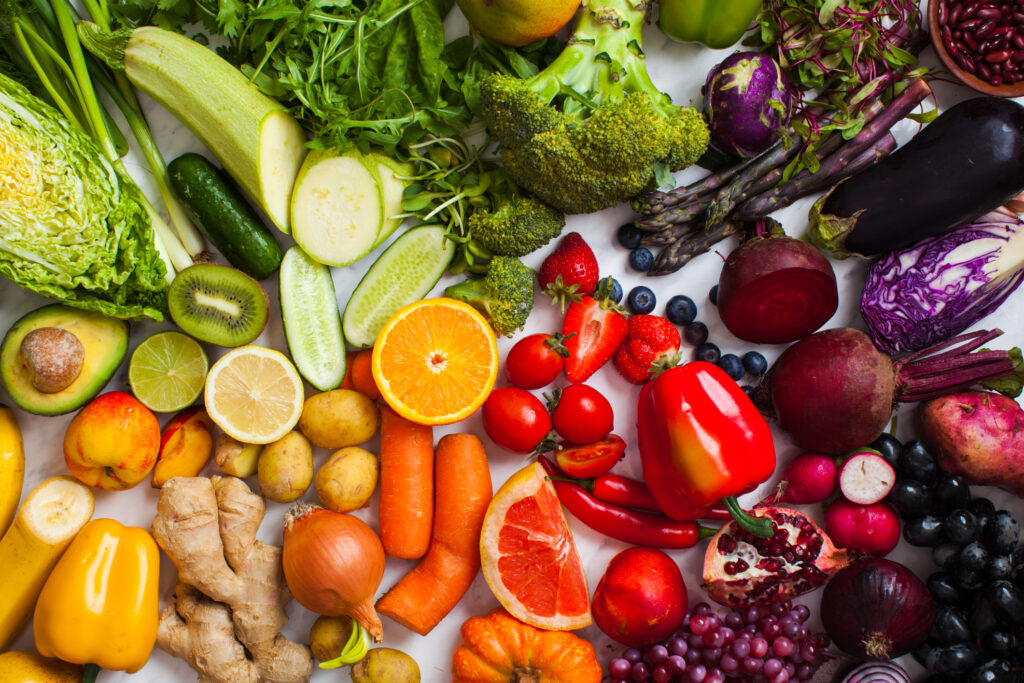
A nutrient-focused, whole-food approach can play a supportive role in managing many health conditions, especially when paired with healthy lifestyle habits like physical activity and good-quality sleep. A food-based approach to nutrition offers health benefits that go far beyond what supplements can provide. Whole foods deliver a natural balance of nutrients that work synergistically, meaning vitamins, minerals, phytonutrients, healthy fats, carbohydrates and fiber can support each other for better overall health outcomes. Nutrient-dense foods like leafy greens, fruits, legumes, nuts, seeds, and fish are efficient, cost-effective, and widely accessible options that fit easily into a healthy diet and good eating patterns. By choosing whole foods first, you not only support a more balanced diet but also avoid the added costs and potential nutrient insufficiencies that can come with eating highly processed foods and relying solely on supplements to make up the shortfall.
The variety of nutrient-dense foods available across food groups makes it easy to enjoy a satisfying, diverse, and plant-forward (though not solely plant-based) way of eating. Many of these foods provide additional health benefits including antioxidants (which are anti-inflammatory), insoluble fiber for gut health, which in turn supports overall health and wellness. Because whole foods are often more accessible and affordable than supplements, a food-based approach creates a sustainable foundation for long-term well-being.
Nutrivore encourages filling your plate with a wide range of nutrient-rich foods without the need for restrictive rules, making it easy to prevent and support health conditions through the simple power of food. With a Nutrivore approach (maximizing nutrient density across food groups), a nutritious, balanced, and enjoyable way of eating becomes both achievable and flexible for any lifestyle. While it isn’t a replacement for medical care or the advice of a registered dietitian, a balanced, food-first approach can complement your overall strategy for improving many health conditions and support long-term health goals.