
High blood pressure, also known as hypertension, is a common medical condition in which the force of the blood pushing against the walls of the arteries is consistently too high. Over time, this extra pressure can cause damage to the arteries, heart, and other organs, leading to serious health complications such as heart disease, stroke, and kidney failure.
According to the American Heart Association (AHA), nearly 47% of American adults—or approximately 116 million people—have high blood pressure. Often referred to as the “silent killer,” high blood pressure can go unnoticed for years, as it typically has no obvious symptoms until it causes significant damage.
Blood pressure is measured using two numbers:
- Systolic pressure: The first number, (or top number, in fraction form) in the blood pressure measurement, which measures the pressure in the arteries when the heart beats.
- Diastolic pressure: The second number, (or bottom number, in fraction form) in the blood pressure measurement, which measures the pressure in the arteries when the heart rests between beats.
A normal blood pressure reading is usually around 120/80 mmHg. Blood pressure is considered high if readings consistently remain at or above 130/80 mmHg.
What Are Causes and Risk Factors of High Blood Pressure?
There are two main types of high blood pressure: primary (essential) hypertension and secondary hypertension. The causes differ depending on the type.
- Primary (Essential) Hypertension: This is the most common type of high blood pressure and usually develops gradually over time without a specific identifiable cause. It is often linked to genetic factors, lifestyle choices, and environmental influences. While the exact cause remains unclear, a combination of factors can contribute to the development of primary hypertension.
- Secondary Hypertension: This type of hypertension occurs as a result of an underlying health condition or medication. Unlike primary hypertension, secondary hypertension tends to develop suddenly and can be more severe.
Causes of secondary hypertension include:
- Kidney disease: Impaired kidney function can affect the body’s ability to regulate blood pressure.
- Hormonal disorders: Conditions like hyperthyroidism or adrenal gland tumors can disrupt the body’s hormone balance, leading to high blood pressure.
- Sleep apnea: This sleep disorder can cause blood pressure to rise due to intermittent pauses in breathing during sleep.
- Medications: Certain medications, such as birth control pills, decongestants, and over-the-counter pain relievers, can elevate blood pressure.
Several risk factors increase the likelihood of developing high blood pressure. Some of these risk factors are modifiable (related to lifestyle) and some of them are non-modifiable (genetic or related to age).
- Age: Blood pressure tends to increase with age. Men are generally more prone to developing high blood pressure earlier in life, while women are at higher risk after menopause.
- Family History: A family history of hypertension increases the likelihood of developing the condition, suggesting a genetic predisposition.
- Race and Ethnicity: Some ethnicities are at a higher risk of developing hypertension at an earlier age and often experience more severe complications, such as stroke or kidney disease.
- Unhealthy Diet: Diets high in salt (sodium), saturated fats, and processed foods can contribute to high blood pressure. Excessive salt intake causes the body to retain fluid, which raises blood pressure.
- Lack of Physical Activity: A sedentary lifestyle can contribute to weight gain, which is closely linked to high blood pressure. Regular physical activity helps keep the heart and blood vessels healthy, reducing the risk of hypertension.
- Excessive Alcohol Consumption: Drinking too much alcohol can raise blood pressure and contribute to weight gain. Long-term heavy drinking can weaken the heart muscle and lead to heart disease.
- Smoking: Smoking damages the blood vessels, causing them to narrow and harden, which increases blood pressure.
- Obesity: Being overweight or obese increases the risk of hypertension. Excess fat tissue can lead to changes in the body’s metabolism, increasing blood pressure.
- Stress: Chronic stress can contribute to temporary spikes in blood pressure. Over time, unmanaged stress can lead to habits that raise blood pressure, such as overeating, drinking alcohol, or smoking.
How Do You Reduce Risk of High Blood Pressure?

Managing and reducing the risk of high blood pressure often involves making lifestyle changes and, in some cases, taking medications. Adopting heart-healthy habits can help lower blood pressure and reduce the risk of complications.
- Talk to Your Doctor About Medications: In some cases, lifestyle changes alone may not be enough to control high blood pressure. Medications such as ACE inhibitors, beta-blockers, and diuretics may be prescribed by healthcare providers to help manage hypertension. It’s important to consult with your doctor and healthcare providers about the options of medication for high blood pressure.
- Adopt a Nutrivore Diet: Emphasize whole foods, fruits, vegetables, whole grains, legumes, lean proteins, and low-fat dairy. Avoid processed and high-fat foods and choosing healthy fats, such as those found in avocados, nuts, and olive oil, which can help maintain healthy blood pressure levels.
- Exercise Regularly: Engaging in regular physical activity, such as brisk walking, swimming, or cycling, can help reduce blood pressure and maintain a healthy weight. Exercise strengthens the heart, allowing it to pump blood more efficiently and lowering the pressure on the arteries.
- Limit Alcohol and Avoid Smoking: Moderation is key when it comes to alcohol. Quitting smoking improves overall cardiovascular health and reduces the risk of high blood pressure and other related diseases.
- Manage Stress: Stress management techniques such as meditation, deep breathing, yoga, and regular physical activity can help reduce stress levels and lower blood pressure.
Nutrients for High Blood Pressure
Learn more about all of the nutrients linked to risk of hypertension, the other ways these nutrients improve our health, and the best food sources of each of them!

How Do Nutrients Improve High Blood Pressure?
A Nutrivore approach emphasizes nutrients that help the body function at its best—including the heart and blood vessels involved in blood pressure regulation. Current research highlights the following nutrients for high blood pressure support, along with food sources to help you incorporate these nutrients through your diet.
| Nutrient | How it Supports High Blood Pressure | Top Food Sources |
|---|---|---|
| Riboflavin (Vitamin B2) | Riboflavin can help reduce blood pressure in individuals with the MTHFR C677T polymorphism by lowering homocysteine levels, a compound linked to cardiovascular risk. Studies have shown that riboflavin supplementation can improve hypertension in people with this genetic variant. | Top food sources include organ meats, mushrooms, leafy greens, eggs, dairy products, almonds, yeast, legumes, and squash. |
| Niacin (Vitamin B3) | Niacin helps reduce cholesterol levels and improve blood vessel function. Its ability to increase “good” HDL cholesterol and reduce plaque formation in arteries also supports healthy blood flow and reduces vascular resistance, potentially lowering blood pressure. | Top food sources include red meat, poultry, seafood like salmon and tuna, organ meats, yeast shellfish, mushrooms, leafy greens, nuts, seeds, legumes, and fortified grains and cereals. |
| Pantothenic Acid (Vitamin B5) | In the form of pantethine, pantothenic acid has been shown to improve blood lipid profiles, reducing LDL cholesterol and triglycerides. These effects support vascular health, contributing to better blood pressure regulation. | Top food sources include organ meats like liver and kidney, red meat, shellfish, oily fish, dairy products, eggs, legumes, mushrooms, avocados, seeds, whole grains, and sweet potatoes, along with fortified cereals. |
| Pyridoxine (Vitamin B6) | Vitamin B6 plays a role in reducing homocysteine levels, which can damage blood vessels and increase blood pressure. Higher intake of vitamin B6 is linked with lower cardiovascular risk and improved blood pressure control. | Top food sources include fish, leafy greens, root vegetables, bananas, legumes like chickpeas, red meat, poultry, and seeds such as sunflower and pumpkin, along with fortified cereals. |
| Folate (Vitamin B9) | Folate is well-known for its homocysteine-lowering effects, which improve blood vessel function and reduce arterial stiffness, aiding in blood pressure reduction. Folate-rich diets are associated with a significantly lower risk of hypertension and lower risk of heart disease. | Top food sources include organ meats, leafy greens like spinach and lettuce, asparagus, avocados, Brussels sprouts, legumes such as peas and lentils, eggs, beets, citrus fruits, strawberries, pomegranates, broccoli, nuts, seeds, and fortified grain products. |
| Vitamin C | This powerful antioxidant supports healthy blood vessels by improving endothelial function and reducing inflammation. Vitamin C’s effects on lowering LDL cholesterol and oxidative stress also contribute to blood pressure reduction. | Top food sources include citrus fruits, kiwis, berries, red peppers, guavas, papayas, broccoli, Brussels sprouts, tomatoes, cantaloupe, leafy greens, and certain organ meats. |
| Vitamin D | Vitamin D helps lower blood pressure by inhibiting renin synthesis, which plays a role in the regulation of blood pressure. It also improves vascular function, which is essential for maintaining healthy blood pressure levels. | Top food sources include fatty fish like salmon, mackerel, sardines, and herring, along with fish roe, liver, red meat, egg yolks, and UV-exposed mushrooms or baker’s yeast. |
| Vitamin K | Vitamin K2, which helps prevent vascular calcification by activating proteins that keep arteries pliable. Flexible, non-calcified blood vessels allow for better blood flow and lower blood pressure. | Top food sources include leafy green vegetables such as kale, chard, collards, and spinach, as well as broccoli and Brussels sprouts, for vitamin K1; and natto, organ meats, egg yolks, certain hard cheeses, butter, pork, and dark chicken meat for vitamin K2. |
| Calcium | Calcium is essential for blood vessel contraction and relaxation. It helps maintain optimal blood pressure levels, with higher calcium intake being linked to reduced hypertension risk. | Top food sources include dairy products (especially low-fat dairy products), bone-in sardines, Brassica vegetables such as kale, collard greens, bok choy, and broccoli, seaweed, and fortified foods like orange juice, soy milk, and cereals. |
| Chloride | In balance with sodium, chloride plays a role in fluid regulation and vascular function. Studies show that blood pressure rises primarily when sodium and chloride are both elevated, emphasizing chloride’s role in blood pressure management. | Top food sources include prawns, salmon, seaweed, tomatoes, olives, celery, lettuce, and foods processed or prepared with table salt. |
| Magnesium | Magnesium helps relax blood vessels and improves endothelial function, contributing to lower blood pressure. Higher magnesium intake has been linked to reduced hypertension and cardiovascular disease risk. | Top food sources include green leafy vegetables, nuts and seeds like pumpkin seeds, almonds, and cashews, fish, legumes, whole grains, cocoa, avocados, spices, and low-fat dairy products such as milk and yogurt. |
| Potassium | Potassium works by balancing sodium levels in the body, reducing the harmful effects of excess sodium on blood pressure. High potassium intake is associated with a lower risk of hypertension and stroke. | Top food sources include leafy greens, cruciferous vegetables, bananas, melons, apricots, prunes, oranges and orange juice, potatoes, sweet potatoes, squash, avocados, mushrooms, legumes like lentils and beans, nuts and seeds, and dairy products such as milk and yogurt. |
| Oleic Acid | This monounsaturated fatty acid, found in olive oil, supports vascular health and reduces blood pressure. Oleic acid improves blood lipid profiles and has anti-inflammatory effects that support heart health. | Top food sources include olives and olive oil, avocados and avocado oil, vegetable oils such as canola, sunflower, sesame, peanut, grapeseed, soybean, and palm oil, as well as peanuts, pecans, macadamia nuts, cocoa butter, and animal fats like turkey fat, chicken fat, and lard. |
| ALA | ALA, a plant-based omega-3 fatty acid, helps improve blood vessel function and reduce blood pressure. Higher ALA intake is linked to lower risk of hypertension and cardiovascular disease. | Top food sources include flaxseed, chia seeds, hemp seeds and their oils, along with walnuts, pistachios, pumpkin seeds, and vegetable oils like soybean and canola. |
| EPA & DHA | These omega-3 fatty acids reduce blood pressure by lowering triglycerides, reducing inflammation, and supporting endothelial function. They have been shown to help manage hypertension, particularly in individuals with elevated blood lipids. | Top food sources include fatty cold-water fish like salmon, herring, mackerel, sardines, and menhaden, along with algae, cod liver oil, and shellfish such as mussels, crab, oysters, and squid. |
| GLA | GLA reduces blood pressure through its metabolite DGLA, which promotes vasodilation, reduces inflammation, and inhibits processes linked to atherosclerosis, supporting healthy blood pressure levels. | Top food sources include flaxseeds and flaxseed oil, hempseed and hempseed oil, evening primrose oil, blackcurrant seed oil, borage oil, and smaller amounts in oats, spirulina, and barley. |
| CoQ10 | Known for its antioxidant effects, CoQ10 helps reduce blood pressure by improving endothelial function and supporting energy production in heart cells. Supplementation with CoQ10 has shown beneficial effects on both systolic and diastolic blood pressure. | Top food sources include oily fish like salmon, mackerel, trout, and sardines, organ meats such as heart and liver, beef, chicken, pork, and smaller amounts in Brassica vegetables, legumes, peanuts, nuts, and seeds. |
| SCFAs | Produced by gut bacteria, SCFAs like butyrate improve blood pressure by reducing inflammation, enhancing vascular function, and supporting blood vessel health. | Top food sources include butter and other high-fat dairy products, lacto-fermented foods like sauerkraut, pickles, yogurt, soy sauce, and certain cheeses, as well as vinegar and alcohol, although most SCFAs are produced by beneficial gut bacteria as they break down fiber. |
Nutrients for High Blood Pressure
Nutrients for High Blood Pressure explains all the nutrients that matter most for blood pressure regulation and long-term cardiovascular health! This e-book is exclusively available in Patreon!
Plus every month, you’ll gain exclusive and early access to a variety of resources, including a weekly video podcast, a new e-book in a series, nutrient fun factsheet, and more! Sign up now and also get 5 free Nutrivore guides as a welcome gift! Win-win-win!
Benefits of a Food-Based Approach
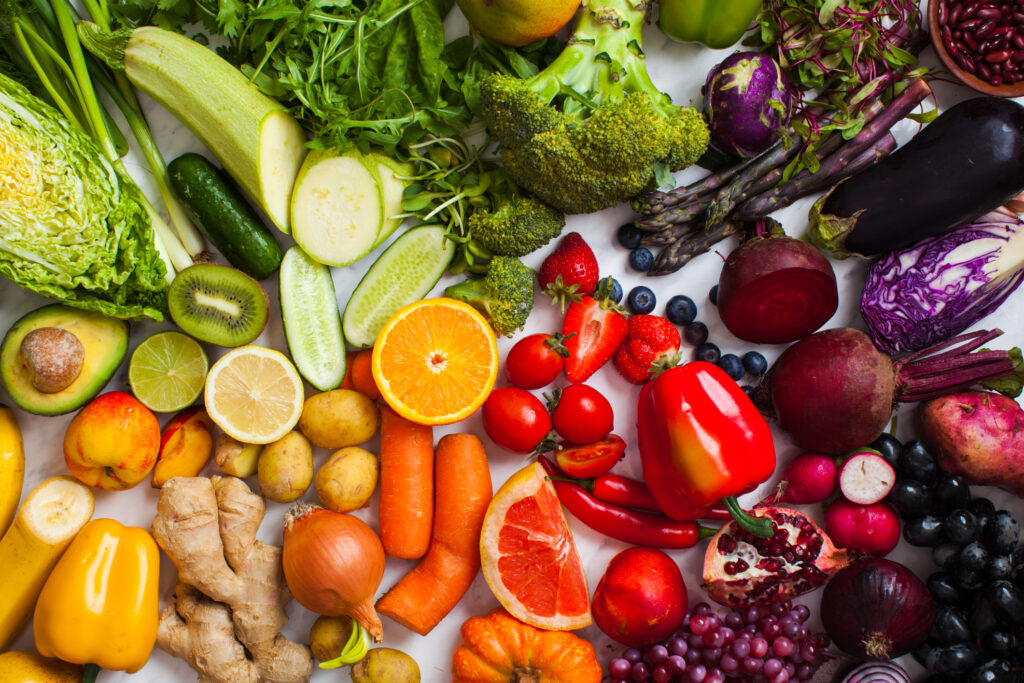
A nutrient-focused, whole-food approach can play a supportive role in managing many health conditions, especially when paired with healthy lifestyle habits like physical activity and good-quality sleep. A food-based approach to nutrition offers health benefits that go far beyond what supplements can provide. Whole foods deliver a natural balance of nutrients that work synergistically, meaning vitamins, minerals, phytonutrients, healthy fats, carbohydrates and fiber can support each other for better overall health outcomes. Nutrient-dense foods like leafy greens, fruits, legumes, nuts, seeds, and fish are efficient, cost-effective, and widely accessible options that fit easily into a healthy diet and good eating patterns. By choosing whole foods first, you not only support a more balanced diet but also avoid the added costs and potential nutrient insufficiencies that can come with eating highly processed foods and relying solely on supplements to make up the shortfall.
The variety of nutrient-dense foods available across food groups makes it easy to enjoy a satisfying, diverse, and plant-forward (though not solely plant-based) way of eating. Many of these foods provide additional health benefits including antioxidants (which are anti-inflammatory), insoluble fiber for gut health, which in turn supports overall health and wellness. Because whole foods are often more accessible and affordable than supplements, a food-based approach creates a sustainable foundation for long-term well-being.
Nutrivore encourages filling your plate with a wide range of nutrient-rich foods without the need for restrictive rules, making it easy to prevent and support health conditions through the simple power of food. With a Nutrivore approach (maximizing nutrient density across food groups), a nutritious, balanced, and enjoyable way of eating becomes both achievable and flexible for any lifestyle. While it isn’t a replacement for medical care or the advice of a registered dietitian, a balanced, food-first approach can complement your overall strategy for improving many health conditions and support long-term health goals.