

Autoimmune diseases occur when the body’s immune system mistakenly attacks its own healthy cells or tissues, rather than targeting only foreign invaders like bacteria or viruses. The result is chronic inflammation, tissue damage, and dysfunction across a wide range of organs or systems. While the body’s immune responses are meant to protect us, in autoimmunity this process goes awry, ultimately leading to disease.
In a well‑functioning immune system, there is a balance between immune activation (to fight pathogens) and immune regulation (to prevent attacking self). In autoimmune disease, that balance is off, either through loss of immune tolerance, dysregulation of immune cells (like T‑cells or B‑cells), or abnormal signaling from the innate and adaptive immune responses.
Because of this, autoimmune diseases are often chronic, relapsing, and may affect many parts of the body. Some of the most prevalent and well-known conditions include:
- Rheumatoid Arthritis (RA): inflammatory arthritis affecting joints and sometimes other tissues.
- Systemic Lupus Erythematosus (SLE or lupus): a systemic disease that can affect skin, kidneys, joints, blood cells, lungs, heart.
- Multiple Sclerosis (MS): immune‑mediated damage to the nervous system’s myelin.
- Type 1 Diabetes (T1D): autoimmune destruction of pancreatic beta cells, reducing insulin production.
- Hashimoto’s Thyroiditis and Graves’ Disease: autoimmune thyroid conditions leading to underactive or overactive thyroid.
- Celiac Disease: autoimmune reaction to gluten that damages the small intestine.
- Psoriasis: immune‑driven overgrowth of skin cells and inflammation.
- Many others: there are between ~80 and ~150 autoimmune diseases described.
According to the National Institute of Allergy and Infectious Diseases (NIAID), an estimated 8 % of the U.S. population has an autoimmune disease. A recent large‐scale study estimated about 15 million Americans (≈ 4.6 % of the population) have at least one of 105 autoimmune conditions between 2011–2022. Women are disproportionately affected—up to ~63 % of autoimmune disease cases occur in women in that study. Autoimmune diseases rank among the top disease categories in the U.S., after cancer and heart disease.
What Are Causes and Risk Factors of Autoimmune Diseases?
While the exact cause of each autoimmune disease is often unknown, the development generally involves three overlapping domains: genetics, environment (including lifestyle), and immune dysregulation. Some risk factors, both predisposition and circumstantial, can play a part in the exacerbation of autoimmune disease risk:
- Genetic predisposition: Having a family history of autoimmune disease increases your risk; specific gene variants (e.g., HLA region) contribute.
- Environmental triggers: These may include infections (viral or bacterial), chemical exposures, toxins, smoking, diet, gut microbiome imbalances, and other exposures.
- Immune system factors: Dysregulated immune checkpoints, failure of immune tolerance, epigenetic changes, and chronic inflammation all play roles.
- Being female: Autoimmune diseases are much more common in women.
- Age: Many autoimmune diseases peak in young adulthood to middle age.
- Other autoimmune disease(s) already present: Having one raises the risk of developing another.
- Smoking and certain infections: Becoming infected with certain pathogens may trigger autoimmune reactions in a person’s body, and introducing other toxins such as smoking may cause the body to initiate an autoimmune condition.
- Obesity, poor diet, gut dysbiosis: All of these health markers can contribute to the body’s overreaction and initiate an autoimmune disease.
- Low vitamin D or other nutritional deficiencies: If the body cannot draw from sufficient stores of nutrition for optimal and required immune system function, it may trigger autoimmune reactions instead.
How Do You Reduce Risk of Autoimmune Diseases?

While you cannot change your genetics, modification of lifestyle and dietary factors may help reduce the risk of, and/or help manage autoimmune disease activity:
- Adopt an anti‐inflammatory diet: Diets rich in fruits, vegetables, whole grains, legumes, healthy fats (e.g., Mediterranean diet) are associated with lower autoimmunity risk.
- Maintain healthy body weight: Obesity and metabolic dysregulation link to higher autoimmune risk.
- Ensure adequate micronutrients in diet: Focus on a whole foods diet with high diversity of food groups, colors, cooking styles, macronutrients, and micronutrients to support the body’s ability to care for itself and function optimally.
- Limit smoking and exposure to toxins: reduce smoking and other toxins from entering your system by limiting environmental exposures.
- Optimize gut health: A healthy gut microbiome helps to regulate the immune system; gut dysbiosis is implicated in autoimmune onset, so the more diversity of food, the better the microbiome, the better the immune system!
- Manage infections and stress: Chronic infections or prolonged stress can drive immune activation or dysfunction. Utilize lifestyle coping mechanisms (meditation, breathwork, hobbies, etc.) and get adequate sleep.
- Regular medical follow‑up: Consult your health practitioners, especially if you have family history or symptoms. Early detection and management of autoimmune processes may slow progression.
Nutrients for Autoimmune Diseases
Learn more about all of the nutrients linked to risk of autoimmune diseases, the other ways these nutrients improve our health, and the best food sources of each of them!























How Do Nutrients Improve Autoimmune Diseases?
A Nutrivore approach emphasizes nutrients that help the body function at its best—including the immune system. Current research highlights the following nutrients for autoimmune support, along with food sources to help you incorporate these nutrients through your diet.
| Nutrient | How it Supports Autoimmune Health | Top Food Sources |
|---|---|---|
| Vitamin B5 (Pantothenic Acid) | People with rheumatoid arthritis tend to have lower pantothenic acid levels, and supplementation with pantothenic acid derivatives has reduced symptoms such as morning stiffness and pain, though mechanisms remain unclear. | Top food sources include organ meats, red meat, shellfish, oily fish, dairy, eggs, lentils, legumes, mushrooms, avocados, sunflower seeds, flaxseeds, whole grains, and sweet potatoes. |
| Vitamin B7 (Biotin) | High-dose biotin has shown therapeutic potential in multiple sclerosis, improving visual loss and partially reversing limb paralysis, possibly due to its role in fatty acid synthesis needed for myelin formation. | Top food sources include egg yolks, liver, yeast, almonds, walnuts, avocados, sweet potatoes, and tomatoes. |
| Vitamin D | Vitamin D reduces inflammation and modulates T-cell activity, helping regulate autoimmune responses. Higher vitamin D intake or early-life sufficiency is associated with reduced risk of MS, type 1 diabetes, and rheumatoid arthritis, and supplementation may improve lupus severity. | Top food sources include fatty fish, fish eggs (roe), liver, red meat, egg yolks, and UV-exposed mushrooms or yeast. |
| CoQ10 | CoQ10 improves outcomes in several autoimmune conditions—including fibromyalgia, multiple sclerosis, rheumatoid arthritis, psoriasis, ulcerative colitis, and chronic fatigue syndrome—primarily by reducing inflammation, improving mitochondrial function, lowering oxidative stress, and decreasing disease activity. | Top food sources include oily fish, organ meats, beef, chicken, pork, Brassica vegetables, legumes, peanuts, and nuts such as pistachios, walnuts, and hazelnuts, plus seeds. |
| Magnesium | Magnesium depletion negatively impacts the thymus and may worsen autoimmune dysregulation; limited research links low magnesium with increased lupus risk, suggesting a potential protective role. | Top food sources include leafy greens, pumpkin seeds, almonds, cashews, fish, legumes, whole grains, cocoa, avocados, spices, and low-fat dairy. |
| Selenium | Selenium supports thyroid hormone metabolism and may improve autoimmune thyroid diseases such as Hashimoto’s and Graves’ by reducing antibody levels, slowing disease progression, and improving quality of life. | Top food sources include Brazil nuts, seafood, organ meats, muscle meats, and mushrooms (especially shiitake and button). |
| Zinc | Low zinc levels are associated with chronic fatigue syndrome and impaired T-cell activation; supplementation may reduce fatigue and improve quality of life, though effects may overlap with melatonin when combined. | Top food sources include red meat, organ meats (liver, heart), oysters, eggs, legumes, nuts, and whole grains (with better bioavailability from animal sources). |
| Histidine | Histidine shows anti-inflammatory effects in colitis models and may reduce relapse risk in ulcerative colitis; supplementation also reduces eczema severity in both adults and children due to its role in skin barrier integrity. | Histidine is found in red meat, eggs, seafood, poultry, soy, beans, and nuts. |
| Phenylalanine | Phenylalanine may enhance repigmentation in vitiligo, especially when combined with UVA therapy, and can induce partial repigmentation when taken orally or topically. | Top food sources include beef, pork, poultry, fish, dairy, eggs, nuts, seeds, and foods containing aspartame. |
| EPA & DHA | EPA and DHA reduce disease activity in lupus, improve pain and inflammation in rheumatoid arthritis, and may benefit chronic fatigue syndrome and celiac-related inflammation through immune modulation and altered cytokine signaling. | Rich sources include salmon, herring, mackerel, sardines, menhaden, algae, cod liver oil, and shellfish like mussels, crab, oysters, and squid. |
| CLA | CLA shows anti-inflammatory effects in Crohn’s disease and may improve rheumatoid arthritis markers and symptoms; benefits may occur via modulation of gut microbiota and PPAR-gamma activation. | Top sources include meat and dairy from grass-fed animals, including grass-fed beef, lamb, butter, cheese, and full-fat dairy. |
| GLA | GLA may improve atopic dermatitis and rheumatoid arthritis symptoms by increasing anti-inflammatory DGLA metabolites, though results vary due to genetic and study-design factors; longer-term supplementation appears more effective. | Highest sources include flaxseed and flaxseed oil, hempseed and hempseed oil, evening primrose oil, blackcurrant seed oil, borage oil, and smaller amounts in oats, spirulina, and barley. |
Nutrients for Autoimmune Diseases
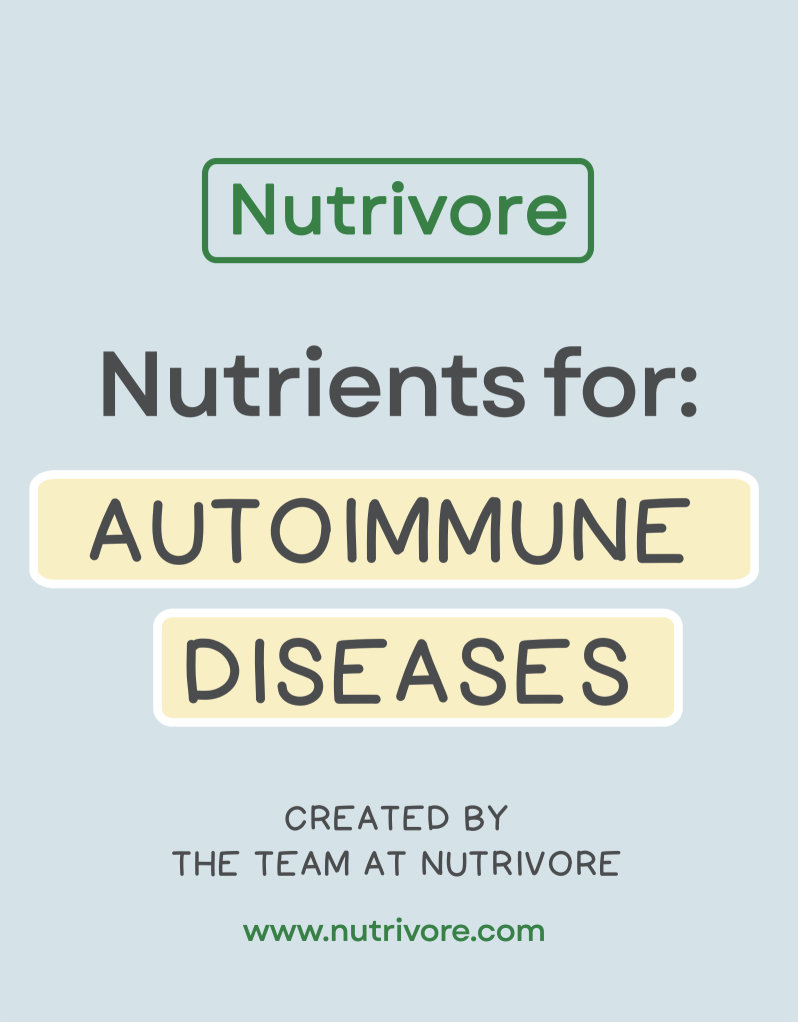
Nutrients for Autoimmune Diseases focuses on nutrients that help support immune balance in autoimmune conditions! This e-book is exclusively available in Patreon!
Plus every month, you’ll gain exclusive and early access to a variety of resources, including a weekly video podcast, a new e-book in a series, nutrient fun factsheet, and more! Sign up now and also get 5 free Nutrivore guides as a welcome gift! Win-win-win!
Benefits of a Food-Based Approach

A nutrient-focused, whole-food approach can play a supportive role in managing many health conditions, especially when paired with healthy lifestyle habits like physical activity and good-quality sleep. A food-based approach to nutrition offers health benefits that go far beyond what supplements can provide. Whole foods deliver a natural balance of nutrients that work synergistically, meaning vitamins, minerals, phytonutrients, healthy fats, carbohydrates and fiber can support each other for better overall health outcomes. Nutrient-dense foods like leafy greens, fruits, legumes, nuts, seeds, and fish are efficient, cost-effective, and widely accessible options that fit easily into a healthy diet and good eating patterns. By choosing whole foods first, you not only support a more balanced diet but also avoid the added costs and potential nutrient insufficiencies that can come with eating highly processed foods and relying solely on supplements to make up the shortfall.
The variety of nutrient-dense foods available across food groups makes it easy to enjoy a satisfying, diverse, and plant-forward (though not solely plant-based) way of eating. Many of these foods provide additional health benefits including antioxidants (which are anti-inflammatory), insoluble fiber for gut health, which in turn supports overall health and wellness. Because whole foods are often more accessible and affordable than supplements, a food-based approach creates a sustainable foundation for long-term well-being.
Nutrivore encourages filling your plate with a wide range of nutrient-rich foods without the need for restrictive rules, making it easy to prevent and support health conditions through the simple power of food. With a Nutrivore approach (maximizing nutrient density across food groups), a nutritious, balanced, and enjoyable way of eating becomes both achievable and flexible for any lifestyle. While it isn’t a replacement for medical care or the advice of a registered dietitian, a balanced, food-first approach can complement your overall strategy for improving many health conditions and support long-term health goals.