Pregnancy is a remarkable and complex physiological process. While reproduction is primally coded into humans to sustain blood lines and further evolve the species as a whole, it can also be a deeply meaningful journey to becoming a caregiver through an incredible transformation, both inside and out. In short, the biology of pregnancy is where a fertilized egg develops into a fetus over approximately 40 weeks within the uterus of a pregnant person. Pregnancy involves significant hormonal, metabolic, and anatomical changes to support fetal growth and prepare for childbirth. These changes culminate in an emotional and physical marathon through the months of pregnancy. In 2022, the United States recorded approximately 3.67 million births, with a birth rate of 11.0 babies per 1,000 people.
What Are Risk Factors During Pregnancy?
Several factors can increase the risk of complications during pregnancy:
- Maternal Age: Women younger than 17 or older than 35 are at higher risk for complications such as preterm birth and low birth weight.
- Preexisting Health Conditions: Conditions like hypertension, diabetes, kidney disease, and autoimmune disorders can complicate pregnancy.
- Lifestyle Factors: Smoking, alcohol consumption, and illicit drug use can adversely affect fetal development.
- Obesity: Increases the risk of gestational diabetes, preeclampsia, and cesarian delivery.
High-Risk Pregnancy Conditions
A pregnancy is considered high-risk when there is an increased chance of health problems for the mother or baby. Conditions contributing to high-risk pregnancies include:
- Gestational Diabetes: High blood sugar levels during pregnancy can lead to excessive birth weight and preterm birth.
- Preeclampsia: Characterized by high blood pressure and signs of damage to other organ systems, often the kidneys.
- Multiple Gestations: Carrying more than one fetus increases the risk of preterm labor and delivery complications.
- Placental Issues: Conditions like placenta previa or placental abruption can pose serious risks to both mother and baby.
How Do You Reduce Risk of Pregnancy Complications?
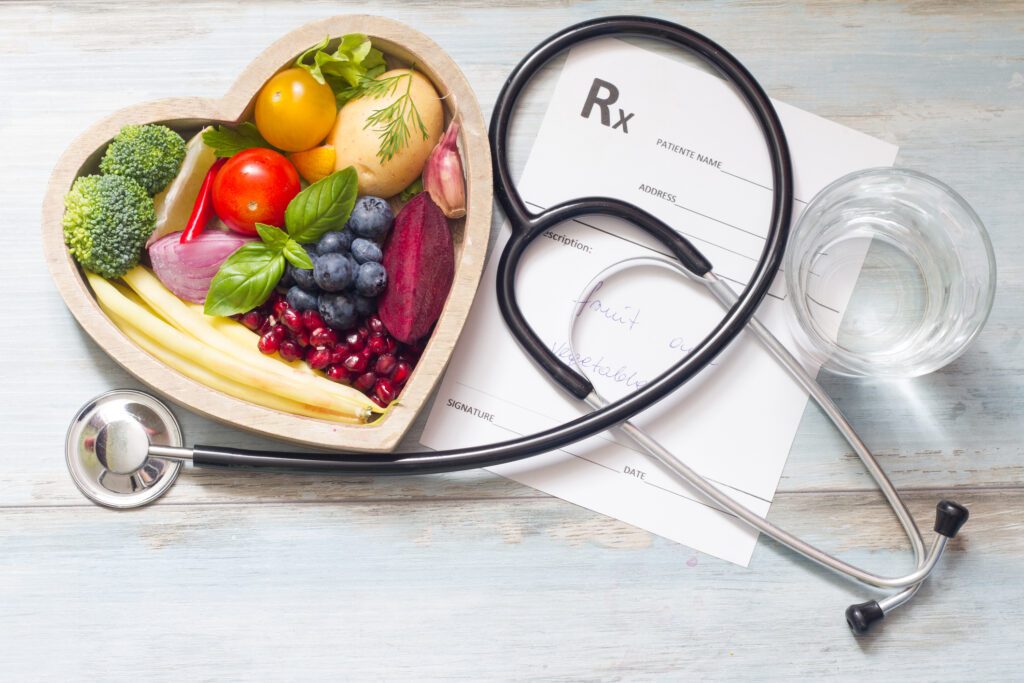
Proper nutrition during pregnancy is vital to support fetal development and reduce the risk of complications. Key nutritional considerations include:
- Caloric Intake: An additional 300 calories per day are recommended during pregnancy to support fetal growth.
- Macronutrients:
- Protein: Protein is essential for fetal tissue development.
- Carbohydrates: Carbs provide energy for the pregnant person and support fetal brain development.
- Hydration: Adequate fluid intake is important to support increased blood volume and amniotic fluid levels of the pregnant person.
In addition to the above macros and calorie considerations, incorporating a variety of nutrient-dense foods, such as fruits, vegetables, whole grains, lean proteins, and dairy products, can help meet micronutrient nutritional needs. Prenatal vitamins are also recommended to ensure adequate intake of essential nutrients. Speak to your health professionals for more information based on your personal health history and unique situation.
Nutrients for Pregnancy
Learn more about all of the nutrients linked to healthy pregnancy, the other ways these nutrients improve our health, and the best food sources of each of them!
How Do Nutrients Improve Pregnancy?
A Nutrivore approach emphasizes nutrients that help the body function at its best—including the systems that support fetal growth and maternal health. Current research highlights the following nutrients for pregnancy support, along with food sources to help you incorporate these nutrients through your diet.
| Nutrient | How it Supports Pregnancy | Top Food Sources |
|---|---|---|
| Vitamin B7 (Biotin) | Biotin needs increase during pregnancy because it is required for cell division and fetal growth; subclinical deficiency is common and is linked with higher risk of premature delivery, growth restriction, and congenital anomalies. | Top food sources include egg yolks, liver, yeast, almonds, walnuts, avocados, root vegetables such as sweet potatoes, and tomatoes. |
| Vitamin B9 (Folate) | Folate is essential for DNA synthesis and cell division during fetal development and is critical for preventing birth defects such as neural tube defects, congenital malformations, low birth weight, and other developmental abnormalities. | Top food sources include liver, leafy greens, asparagus, avocados, Brussels sprouts, legumes, eggs, beets, citrus fruits, orange juice, strawberries, pomegranates, broccoli, nuts, seeds, and fortified grain products. |
| Vitamin B12 | Low vitamin B12 status in pregnancy is associated with higher risk of neural tube defects, though supplementation benefits are still inconclusive; B12 supports fetal nervous system development and maternal metabolic health. | Top food sources include many types of fish (especially sardines, salmon, tuna, and cod), shellfish, organ meats, beef, eggs, poultry, dairy products, and some fermented soy products, with fortified breakfast cereals and plant milks providing additional B12. |
| Vitamin C | Vitamin C supplementation reduces risk of placental abruption, premature rupture of membranes, and gestational diabetes, while also supporting fetal growth and mitigating harms of maternal smoking; it may also reduce complications in mothers with type 1 diabetes. | Top food sources include citrus fruits, kiwis, berries, red peppers, guavas, papayas, broccoli, Brussels sprouts, tomatoes, cantaloupe, leafy greens, and certain organ meats. |
| Vitamin D | Adequate vitamin D reduces risk of preeclampsia, gestational diabetes, bacterial vaginosis, and low birth weight, though supplementation effects are still being clarified; deficiency is common due to increased pregnancy demands. | Top food sources include fatty fish, fish eggs, liver, red meat, egg yolks, and UV-exposed mushrooms or yeast. |
| Choline | Choline supports neural tube development and reduces risk of neural tube defects; higher maternal intake is linked with significantly lower risk of these defects, especially when combined with betaine and methionine. | Good sources include egg yolks, poultry, fish, fish eggs, meat (especially liver), cruciferous vegetables, salmon, peanuts, soybeans, and dairy. |
| CoQ10 | CoQ10 supplementation has been shown to reduce preeclampsia risk by up to 44% and improve placental mitochondrial function, although early-gestation use may interfere with placental formation; timing of supplementation remains important. | Top food sources include oily fish, organ meats, beef, chicken, pork, Brassica vegetables, legumes, peanuts, nuts, and seeds. |
| Calcium | Higher calcium intake significantly reduces risk of pregnancy-induced hypertension, preeclampsia, and preterm birth, with the strongest effects in women with low baseline intake or high preeclampsia risk. | Top food sources include dairy products (especially low-fat dairy), bone-in sardines, Brassica vegetables like kale and collards, seaweed, beans, and calcium-fortified foods such as orange juice and soy milk. |
| Chromium | Chromium may help improve fasting blood sugar and insulin levels in gestational diabetes, though evidence is limited and mixed; low blood chromium has been observed in women with gestational diabetes. | Top food sources include kidneys, oysters, liver, broccoli, green beans, leafy greens, mushrooms, nuts, egg yolks, tomatoes, brewer’s yeast, and blackstrap molasses. |
| Iodine | Iodine is crucial for fetal thyroid hormone production, neurodevelopment, and preventing complications such as stillbirth, preeclampsia, preterm delivery, congenital hypothyroidism, and cognitive impairment. | Top food sources include sea vegetables (kelp, wakame), fish, shellfish, eggs, dairy products, iodized salt, and iodine-dependent plant foods grown in iodine-rich soils. |
| Iron | Iron needs rise substantially during pregnancy due to increased blood volume, placenta development, and fetal growth; deficiency is linked to preterm birth, low birth weight, and increased maternal and infant mortality risk. | Top food sources to get enough iron include liver, red meat, oysters, mussels, clams, dark leafy greens, legumes, and blackstrap molasses. |
| Magnesium | Magnesium sulfate is a proven treatment to prevent seizures in preeclampsia and eclampsia, and maternal magnesium may protect against cerebral palsy and brain injury in preterm infants. | Top food sources include green leafy vegetables, nuts and seeds (pumpkin seeds, almonds, cashews), fish, legumes, whole grains, cocoa, avocados, spices, and low-fat or fat-free dairy. |
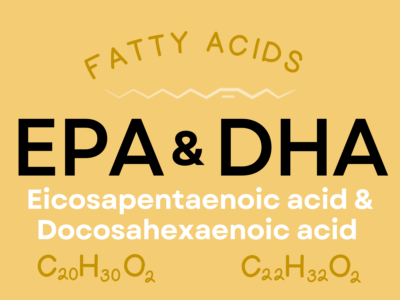
| EPA & DHA | EPA & DHA reduce inflammation, improve insulin levels in gestational diabetes, lower risk of premature and very low birth-weight delivery, and support fetal brain, retinal, and immune development throughout pregnancy. | Top food sources include salmon, herring, mackerel, sardines, menhaden, algae, cod liver oil, mussels, crab, oysters, and squid. |

Nutrients for Pregnancy
Nutrients for Pregnancy explains all the nutrients that matter most for maternal health, fetal development, and a healthy pregnancy! This e-book is exclusively available in Patreon!
Plus every month, you’ll gain exclusive and early access to a variety of resources, including a weekly video podcast, a new e-book in a series, nutrient fun factsheet, and more! Sign up now and also get 5 free Nutrivore guides as a welcome gift! Win-win-win!
Benefits of a Food-Based Approach
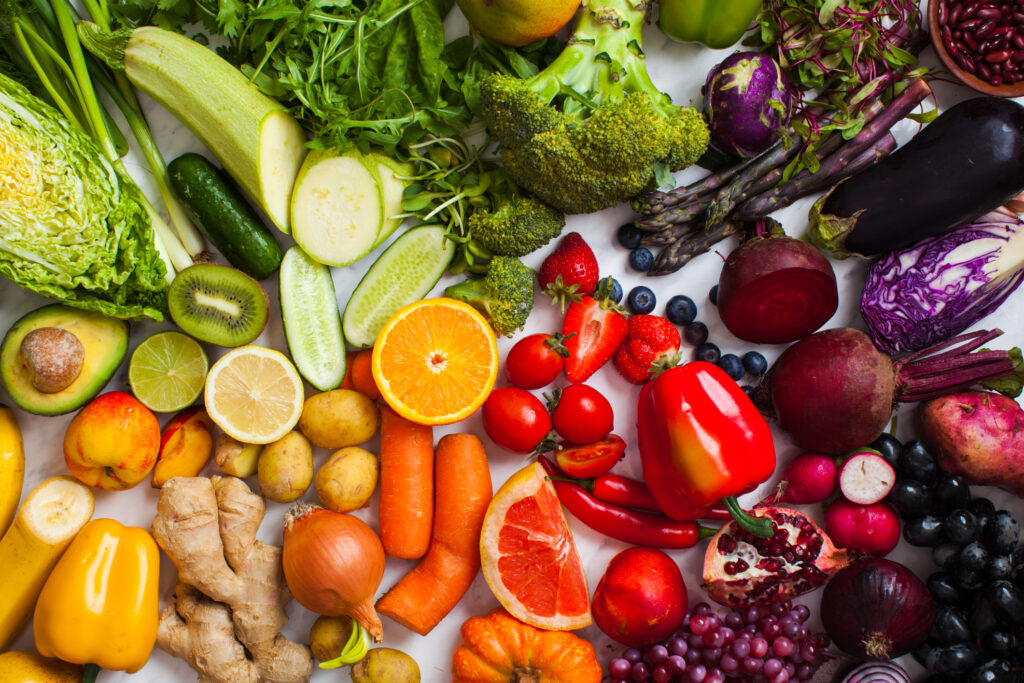
A nutrient-focused, whole-food approach can play a supportive role in managing many health conditions, especially when paired with healthy lifestyle habits like physical activity and good-quality sleep. A food-based approach to nutrition offers health benefits that go far beyond what supplements can provide. Whole foods deliver a natural balance of nutrients that work synergistically, meaning vitamins, minerals, phytonutrients, healthy fats, carbohydrates and fiber can support each other for better overall health outcomes. Nutrient-dense foods like leafy greens, fruits, legumes, nuts, seeds, and fish are efficient, cost-effective, and widely accessible options that fit easily into a healthy diet and good eating patterns. By choosing whole foods first, you not only support a more balanced diet but also avoid the added costs and potential nutrient insufficiencies that can come with eating highly processed foods and relying solely on supplements to make up the shortfall.
The variety of nutrient-dense foods available across food groups makes it easy to enjoy a satisfying, diverse, and plant-forward (though not solely plant-based) way of eating. Many of these foods provide additional health benefits including antioxidants (which are anti-inflammatory), insoluble fiber for gut health, which in turn supports overall health and wellness. Because whole foods are often more accessible and affordable than supplements, a food-based approach creates a sustainable foundation for long-term well-being.
Nutrivore encourages filling your plate with a wide range of nutrient-rich foods without the need for restrictive rules, making it easy to prevent and support health conditions through the simple power of food. With a Nutrivore approach (maximizing nutrient density across food groups), a nutritious, balanced, and enjoyable way of eating becomes both achievable and flexible for any lifestyle. While it isn’t a replacement for medical care or the advice of a registered dietitian, a balanced, food-first approach can complement your overall strategy for improving many health conditions and support long-term health goals.