
Table of Contents[Hide][Show]
Skin, hair and nails are all outward‑expressions of internal physiology. The skin is our largest organ, acting as a barrier, regulating temperature and housing sensory receptors. Hair and nails grow from specialized cells and reflect metabolic, hormonal and nutritional status. When things go off balance, whether through immune dysregulation, hormonal shifts, nutrient deficiencies, sun damage, genetic predisposition, various conditions can arise. Rashes and pigmentation, changes to hair (thinning/loss) and nail abnormalities are common outward symptoms of other health issues internally.
Prevalent conditions that involve hair, skin and nail health include but are not limited to:
- Eczema (Atopic Dermatitis): chronic itchy, inflamed skin often beginning in childhood.
- Rosacea: chronic facial redness of the skin, visible blood vessels, sometimes pustules.
- Acne: inflammation of hair follicles/sebaceous glands producing pimples, nodules on the skin of the body. Can occur in any location of the body though is commonly found on cheeks and faces.
- Psoriasis: immune‑mediated accelerated skin cell growth causing thick scaly patches.
- Lichen planus: inflammatory condition affecting skin, mucous membranes, nails (less common).
- Alopecia areata and Androgenetic alopecia (pattern hair loss): patchy or diffuse hair loss.
- Vitiligo: loss of pigment in skin patches due to autoimmune‑attack on melanocytes.
- Visible signs of aging: wrinkles, pigment spots, thinning skin/hair.
- Melasma: hyperpigmented patches on the face, often hormone/UV related.
- Skin cancer: (including basal cell carcinoma, squamous cell carcinoma, and the more serious melanoma) is the uncontrolled growth of abnormal skin cells, typically caused by DNA damage from ultraviolet (UV) radiation from the sun or tanning beds, which can lead to mutations and malignant tumors if left untreated.
Skin diseases as a group are very common. In fact, a 2016 report by the American Academy of Dermatology (AAD) estimated 84.5 million Americans, or about one in every four people were affected by skin disease in a given year. Psoriasis affects about 3.0% of U.S. adults (approximately 7.5 million) per recent data. Rosacea is estimated to affect more than 16 million Americans and melasma affects over 5 million people in the U.S. Hair loss conditions are a bit trickier to study, as often people lose hair with age and genetic predisposition, however for androgenetic alopecia (more commonly known as pattern baldness), it can affect up to 85% of men, and around 33% of women. For alopecia areata (the autoimmune condition of losing hair), U.S. prevalence among adults is less than 1% at an estimated 0.18%. Finally, according to the Centers for Disease Control and Prevention (CDC), each year about 6.1 million adults are treated for basal and squamous cell carcinomas (or skin cancers) in the U.S.
What Are Causes and Risk Factors of Hair, Skin and Nail Conditions?
Skin conditions can arise from many factors, some are predisposed based on age, gender, and genetic makeup, others have to do with lifestyle and have the potential to be altered to improve outcomes. Some of these risk factors include:
- Genetic predisposition: psoriasis, and vitiligo are two examples of conditions that are linked to genetics.
- Immune system dysregulation: some conditions are related to autoimmune reactions including psoriasis, alopecia areata, and vitiligo.
- Hormonal factors: hormones can impact conditions such as hair loss and melasma.
- UV radiation/sun exposure: sun exposure and lack of sun protection play a major factor in skin aging, skin cancer, and melasma.
- Environmental triggers: environmental considerations are important to consider if battling certain skin conditions such as rosacea. Contaminants can include pollutants in air or water, irritants, microbial imbalance.
- Health: the general health and wellness of your body can greatly impact the way your skin, hair and nails appear, and how they regenerate.
- Nutrition/metabolic status: deficiencies in nutrients can impair skin/hair/nail health.
- Lifestyle factors: smoking, alcohol, poor diet, inadequate sleep, stress can worsen conditions like rosacea, hair loss, and signs of aging.
- Age and gender: Many conditions increase with age; some are more common in women (e.g., melasma, vitiligo) or men (pattern hair loss).
- Related health conditions: diabetes, obesity, thyroid disease can be risk factors or complicating factors for skin/hair/nail disorders.
How Do You Reduce Risk of Hair, Skin and Nail Conditions?

There are several strategies to general health and wellness that translate very well to maintaining and improving the health of skin, hair and nail conditions. Some of these include:
- Sun protection: Use broad‑spectrum sunscreen, wear hats, avoid midday sun—essential for preventing skin cancer, melasma and premature aging.
- Healthy diet: Rich in antioxidants (vitamins C, E, A, carotenoids), omega‑3 fatty acids, adequate protein, zinc, iron and vitamin D supports skin & hair health.
- Maintain healthy weight & metabolic health: Obesity, insulin resistance and hormone imbalances contribute to many skin/hair conditions.
- Avoid smoking & limit alcohol: Both accelerate aging, impair skin barrier, increase inflammation.
- Manage stress & get quality sleep: Stress and poor rest disrupt immune regulation and skin repair.
- Gentle skin care: Use non‑irritating cleansers, moisturize, avoid over‑exposure to harsh chemicals or excessive exfoliation—help preserve skin barrier and reduce flare ups for eczema, rosacea.
- Early screening and medical care: For skin cancer, persistent acne, hair loss—early intervention improves outcomes.
- Treat underlying conditions: Manage hormones (thyroid, menopause), treat autoimmune disorders, optimize nutrient status (iron deficiency, vitamin D deficiency) which may drive hair/nail/skin issues.
- Avoid known triggers: For rosacea, triggers include heat, spicy food, alcohol, sun; for melasma, hormonal contraceptives/pregnancy and sun; for hair loss, hormone fluctuations, medications, stress.
Nutrients for Hair, Skin and Nail Health
Learn more about all of the nutrients linked to hair, skin and nail health and the other ways these nutrients improve our health, and the best food sources of each of them!

How Do Nutrients Improve Hair, Skin and Nail Health?
A Nutrivore approach emphasizes nutrients that help the body function at its best—including the cells and structures that support healthy skin, hair, and nails. Current research highlights the following nutrients for hair, skin, and nail health, along with food sources to help you incorporate these nutrients through your diet.
| Nutrient | How it Supports Hair, Skin and Nail Health | Top Food Sources |
|---|---|---|
| Vitamin A | Vitamin A supports proper differentiation of epithelial cells, helping maintain skin integrity and barrier function. Its anti-inflammatory effects and regulation of sebum production also make it useful in treating conditions like psoriasis and acne. | The only food sources of retinoids are animal products, and the richest sources are liver, cod liver oil, egg yolks, grass-fed high-fat dairy products, and seafood (especially shrimp, salmon, sardines, and tuna). |
| Vitamin B3 (Niacin) | Niacin may improve acne, with oral nicotinamide demonstrating significant reductions in lesion severity in clinical trials. Its anti-inflammatory effects also support broader skin health. | Top food sources include red meat, poultry, seafood like salmon and tuna, organ meats, yeast shellfish, mushrooms, leafy greens, nuts, seeds, legumes, and fortified grains and cereals. |
| Vitamin B5 (Pantothenic Acid) | Pantothenic acid enhances wound healing by supporting fibroblast activity, accelerating cell migration, and reducing oxidative stress; early evidence suggests it may also influence hair pigmentation. | Top food sources include organ meats like liver and kidney, red meat, shellfish, oily fish, dairy products, eggs, legumes, mushrooms, avocados, seeds, whole grains, and sweet potatoes, along with fortified cereals. |
| Vitamin B7 (Biotin) | Biotin strengthens brittle nails, improves nail firmness, and supports hair growth in people with deficiency or medication-induced hair loss. Evidence for benefits in otherwise healthy individuals remains limited. | Top food sources include egg yolks, liver, yeast, nuts like almonds and walnuts, avocados, root vegetables such as sweet potatoes, and tomatoes. |
| Vitamin D | Vitamin D reduces severity of eczema by modulating microbial activity and inflammatory responses in the skin. Deficiency has been linked to worse outcomes in atopic dermatitis. | Top food sources include fatty fish like salmon, mackerel, sardines, and herring, along with fish roe, liver, red meat, egg yolks, and UV-exposed mushrooms or baker’s yeast. |
| CoQ10 | CoQ10 improves skin elasticity, wrinkle depth, and smoothness, likely due to its antioxidant and anti-inflammatory actions. Early evidence suggests benefits for psoriasis, lichen planus, and potentially melanoma progression. | Top food sources include oily fish like salmon, mackerel, trout, and sardines, organ meats such as heart and liver, beef, chicken, pork, and smaller amounts in Brassica vegetables, legumes, peanuts, nuts, and seeds. |
| Iron | Iron deficiency contributes to multiple forms of hair loss, including female pattern hair loss and telogen effluvium, with supplementation improving regrowth in iron-insufficient individuals. | Top food sources include heme iron–rich foods like liver, red meat, oysters, mussels, and clams, as well as non-heme sources such as dark leafy greens, legumes like lentils and beans, and blackstrap molasses. |
| Zinc | Zinc supports hair growth, reduces severity of acne, improves rosacea, and may help hidradenitis suppurativa; deficiency is strongly associated with alopecia and eczema severity. | Good sources of zinc include red meat, some organ meats (especially liver and heart), seafood (especially oysters), eggs, legumes, nuts, and whole grains. |
| Histidine | Histidine supports skin barrier integrity through filaggrin production and significantly reduces eczema severity in both adults and children. | Top food sources include red meat, eggs, seafood, poultry, soy, beans, and nuts. |
| Lysine | Lysine promotes collagen synthesis and accelerates wound repair while reducing scar formation; it also supports keratinocyte proliferation, essential for healthy skin. | Top food sources include eggs, red meat, poultry, shellfish, fish such as tuna, salmon, cod, and sardines, cheeses like parmesan and ricotta, other dairy products, soybeans, legumes, spirulina, and fenugreek seed. |
| Phenylalanine | Phenylalanine enhances repigmentation in vitiligo by boosting the effectiveness of UVA therapy and may induce modest repigmentation on its own. | Top food sources include beef, pork, poultry, fish, dairy products, eggs, nuts, and seeds, with additional intake coming from diet foods and drinks that contain aspartame. |
| EPA & DHA | Omega-3s reduce inflammation in psoriasis, eczema, acne, and ulcers, and may improve hair density and reduce hair shedding. They also help protect against visible signs of aging. | Top food sources include fatty cold-water fish like salmon, herring, mackerel, sardines, and menhaden, along with algae, cod liver oil, and shellfish such as mussels, crab, oysters, and squid. |
| GLA | GLA improves eczema symptoms by restoring anti-inflammatory DGLA metabolites and strengthening skin barrier function; benefits vary based on genetics, steroid use, and supplementation duration. Also shows potential benefits for rosacea. | Top food sources include flaxseeds and flaxseed oil, hempseed and hempseed oil, evening primrose oil, blackcurrant seed oil, borage oil, and smaller amounts in oats, spirulina, and barley. |
Nutrients for Hair Skin and Nail Health
Nutrients for Hair Skin and Nail Health explains all the nutrients that matter most for the health of your aesthetic health! This e-book is exclusively available in Patreon!
Plus every month, you’ll gain exclusive and early access to a variety of resources, including a weekly video podcast, a new e-book in a series, nutrient fun factsheet, and more! Sign up now and also get 5 free Nutrivore guides as a welcome gift! Win-win-win!
Benefits of a Food-Based Approach
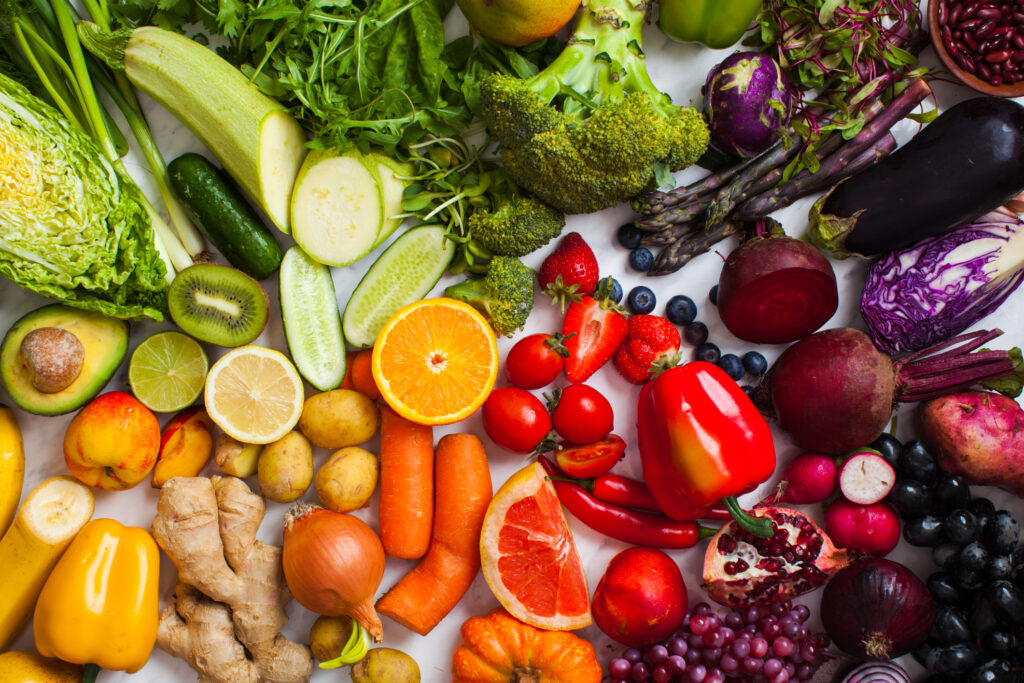
A nutrient-focused, whole-food approach can play a supportive role in managing many health conditions, especially when paired with healthy lifestyle habits like physical activity and good-quality sleep. A food-based approach to nutrition offers health benefits that go far beyond what supplements can provide. Whole foods deliver a natural balance of nutrients that work synergistically, meaning vitamins, minerals, phytonutrients, healthy fats, carbohydrates and fiber can support each other for better overall health outcomes. Nutrient-dense foods like leafy greens, fruits, legumes, nuts, seeds, and fish are efficient, cost-effective, and widely accessible options that fit easily into a healthy diet and good eating patterns. By choosing whole foods first, you not only support a more balanced diet but also avoid the added costs and potential nutrient insufficiencies that can come with eating highly processed foods and relying solely on supplements to make up the shortfall.
The variety of nutrient-dense foods available across food groups makes it easy to enjoy a satisfying, diverse, and plant-forward (though not solely plant-based) way of eating. Many of these foods provide additional health benefits including antioxidants (which are anti-inflammatory), insoluble fiber for gut health, which in turn supports overall health and wellness. Because whole foods are often more accessible and affordable than supplements, a food-based approach creates a sustainable foundation for long-term well-being.
Nutrivore encourages filling your plate with a wide range of nutrient-rich foods without the need for restrictive rules, making it easy to prevent and support health conditions through the simple power of food. With a Nutrivore approach (maximizing nutrient density across food groups), a nutritious, balanced, and enjoyable way of eating becomes both achievable and flexible for any lifestyle. While it isn’t a replacement for medical care or the advice of a registered dietitian, a balanced, food-first approach can complement your overall strategy for improving many health conditions and support long-term health goals.