
Gut health refers to the condition of the gastrointestinal (GI) tract and, more precisely, the community of trillions of microbes (bacteria, fungi, viruses) living mostly in the large intestine—known as the gut microbiome. These microbes aid digestion, nutrient absorption, immune regulation, and even mood through the “gut‑brain‑axis.” A balanced microbiome supports digestive ease, immune resilience, and metabolic health; conversely, imbalances (dysbiosis) may contribute to digestive disorders, inflammation, metabolic disease, and more.
Gut health issues are widespread, though precise numbers for “gut health” broadly defined are less well‑documented. However, an estimated 60–70 million Americans live with one or more digestive diseases (such as irritable bowel syndrome, acid reflux, chronic constipation) according to the National Institute of Diabetes and Digestive and Kidney Diseases (NIDDK). A survey found that two‑thirds of U.S. adults reported recurrent digestive symptoms (bloating, gas, abdominal pain), indicating large numbers experience gut‑related trouble.
Research shows the gut microbiome composition is associated with risk of major chronic diseases—underscoring that gut health matters not just for digestion but for wider wellness.
What Are Causes and Risk Factors of Gut Health Issues?
Gut health problems may arise for many reasons; key causes and risk factors include:
- Diet & Lifestyle: Diets high in ultra‑processed foods, added sugars, and refined fats damage microbial diversity and support pro‑inflammatory bacteria. Low fiber intake also deprives gut microbes of the prebiotic fuel they need (e.g., to make short‑chain fatty acids) which help protect gut lining and modulate immunity. Excess alcohol, smoking, sedentary behavior also harms the gut ecosystem and can cause temporary or permanent damage to parts of the GI tract.
- Medication and Environmental Exposure: Antibiotic use, other commonly prescribed drugs, pollutants, and chemical exposures can alter microbiome structure and function, causing problems with gut health and altering the population of microbes in the GI tract.
- Stress, Sleep, and Mental Health: Chronic stress, poor sleep and irregular circadian rhythms disrupt gut‑brain‑immune connections, altering microbial balance and resulting in gut health ramifications.
- Underlying Medical Conditions & Age: Conditions such as obesity, diabetes, autoimmune disease are linked with gut dysbiosis. Aging also changes gut physiology and microbiome resilience which can lead to further changes and problems, if left unchecked.
- Genetic & Socio‑environmental Factors: Genetics, social determinants (access to healthy and diverse food, healthcare, environment) influence gut health outcomes.
How Do You Reduce Risk of Gut Health Issues?

Given the wide reach of gut health, improving it can involve multiple strategies:
- Focusing on a Diet Rich in Whole Foods: Emphasize high‑fiber fruits, vegetables, legumes, whole grains, nuts/seeds, and fermented foods (yogurt, kefir, sauerkraut)—these feed beneficial microbes. Limit ultra‑processed foods, excessive red/processed meats, additives and artificial sweeteners that impair microbial diversity.
- Pre‑ and Probiotics: Food‑based or supplemental probiotics (live beneficial microbes) and prebiotics (fiber that feeds them) may help maintain a healthier gut microbial balance.
- Regular Physical Activity, Good Sleep & Stress Management: Exercise enhances microbial diversity; adequate sleep and low stress levels support gut‑brain‑immune crosstalk.
- Responsible Medication Use & Avoid Unnecessary Antibiotics: Use medications wisely, consult healthcare providers about long‑term effects on gut microbiota.
- Manage Chronic Conditions: Keeping weight in check and managing conditions like diabetes or hypertension lowers risk of gut‑linked systemic disorder.
- Balanced Environment & Lifestyle: Reduce exposure to environmental pollutants, chemical additives; support gut health through fresh air, less toxin exposure, better overall living conditions.
- Regular Medical and Digestive Check‑up: Because many digestive issues arise silently, regular check‑ups, early screening for IBS, IBD, reflux, and other issues help catch problems before they escalate.
Nutrients for Gut Health
Learn more about all of the nutrients linked to gut health, the other ways these nutrients improve our health, and the best food sources of each of them!











How Do Nutrients Improve Gut Health?
A Nutrivore approach emphasizes nutrients that help the body function at its best—including the gut and its microbial ecosystem. Current research highlights the following nutrients for gut health support, along with food sources to help you incorporate these nutrients through your diet.
| Nutrient | How it Supports Gut Health | Top Food Sources |
|---|---|---|
| Vitamin D | Higher vitamin D status lowers risk of inflammatory bowel diseases and reduces disease severity, likely by decreasing intestinal inflammation and strengthening gut-barrier integrity. Vitamin D also shifts the microbiome toward higher bacterial richness, fewer pathogens, and lower endotoxin levels. | Top food sources include fatty fish (salmon, mackerel, sardines, herring), fish eggs (roe), liver, red meat, egg yolks, and UV-exposed mushrooms or yeast. |
| Threonine | Threonine supports intestinal mucosa integrity by promoting mucin production and improving gut morphology (villus height, crypt depth, goblet cell number). Animal studies show it enhances digestive enzyme activity and helps beneficial bacteria flourish while reducing pathogens like Salmonella and E. coli. | Top food sources include dairy, fish, poultry, meat, eggs, lentils, sesame seeds, mushrooms, and leafy vegetables. |
| Tryptophan | Tryptophan and its microbial metabolites help regulate intestinal permeability, reduce inflammation, and influence immune cell differentiation, offering protection against inflammatory bowel disease. | Top food sources include poultry, egg whites, dairy, sunflower, pumpkin, and sesame seeds, soybeans, peanuts, oats, bananas, and fish. |
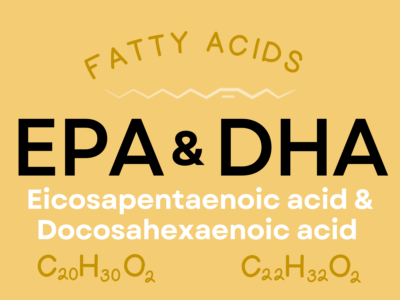
| EPA & DHA | Omega-3s improve microbiome composition by increasing beneficial species such as Bifidobacterium and Lactobacillus and promoting SCFA-producing bacteria. They may reverse IBS-associated dysbiosis and reduce relapse risk in Crohn’s and ulcerative colitis due to anti-inflammatory and gut-regulating effects. | Top food sources include salmon, herring, mackerel, sardines, menhaden, marine algae, cod liver oil, and shellfish like mussels, crab, oysters, and squid. |
| CLA | CLA may enhance gut health by enriching beneficial microbial species (e.g., Roseburia, Lactobacillus) and increasing SCFA production, especially butyrate. Evidence also suggests CLA may improve insulin sensitivity and metabolic health through microbiome modulation. | Best sources include grass-fed beef and lamb, butter and cheese from grass-fed dairy, and other full-fat grass-fed dairy products. |
| SCFAs | SCFAs—especially butyrate—reduce abdominal pain in IBS and improve symptoms in Crohn’s disease. They fuel colon cells, reduce inflammation, strengthen gut lining integrity, and are primarily produced by gut bacteria fermenting fiber. | Top food sources include butter and high-fat dairy, lacto-fermented foods like sauerkraut, pickles, yogurt, soy sauce, certain cheeses, plus vinegar and alcohol; most SCFAs are produced by gut microbes from fiber. |
| MCTs | MCTs are rapidly absorbed and useful in conditions with impaired fat digestion. They help protect against endotoxemia, improve gut barrier function, reduce intestinal atrophy, and beneficially alter microbial populations; early research also shows they may reduce “keto-flu” GI symptoms during ketogenic transitions. | Top food sources include coconut and coconut oil, palm kernel oil, and fatty dairy products from cows, sheep, horses, and goats. |
Nutrients for Gut Health
Nutrients for Gut Health explains all the nutrients that matter most for your microbiome and overall gut health! This e-book is exclusively available in Patreon!
Plus every month, you’ll gain exclusive and early access to a variety of resources, including a weekly video podcast, a new e-book in a series, nutrient fun factsheet, and more! Sign up now and also get 5 free Nutrivore guides as a welcome gift! Win-win-win!
Benefits of a Food-Based Approach
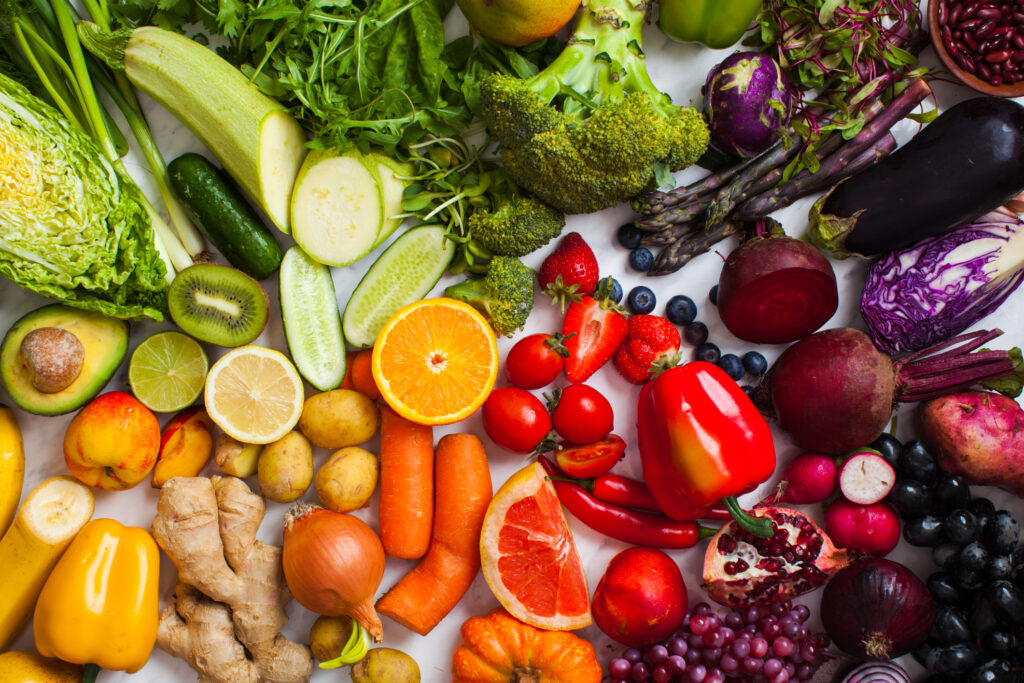
A nutrient-focused, whole-food approach can play a supportive role in managing many health conditions, especially when paired with healthy lifestyle habits like physical activity and good-quality sleep. A food-based approach to nutrition offers health benefits that go far beyond what supplements can provide. Whole foods deliver a natural balance of nutrients that work synergistically, meaning vitamins, minerals, phytonutrients, healthy fats, carbohydrates and fiber can support each other for better overall health outcomes. Nutrient-dense foods like leafy greens, fruits, legumes, nuts, seeds, and fish are efficient, cost-effective, and widely accessible options that fit easily into a healthy diet and good eating patterns. By choosing whole foods first, you not only support a more balanced diet but also avoid the added costs and potential nutrient insufficiencies that can come with eating highly processed foods and relying solely on supplements to make up the shortfall.
The variety of nutrient-dense foods available across food groups makes it easy to enjoy a satisfying, diverse, and plant-forward (though not solely plant-based) way of eating. Many of these foods provide additional health benefits including antioxidants (which are anti-inflammatory), insoluble fiber for gut health, which in turn supports overall health and wellness. Because whole foods are often more accessible and affordable than supplements, a food-based approach creates a sustainable foundation for long-term well-being.
Nutrivore encourages filling your plate with a wide range of nutrient-rich foods without the need for restrictive rules, making it easy to prevent and support health conditions through the simple power of food. With a Nutrivore approach (maximizing nutrient density across food groups), a nutritious, balanced, and enjoyable way of eating becomes both achievable and flexible for any lifestyle. While it isn’t a replacement for medical care or the advice of a registered dietitian, a balanced, food-first approach can complement your overall strategy for improving many health conditions and support long-term health goals.