
Coronary artery disease (CAD), also known as heart disease, is characterized by the narrowing or blockage of the coronary arteries, which supply blood to the heart muscle. The primary cause of CAD is the accumulation of plaque (a mix of cholesterol, fat, calcium, and other substances) in the arterial walls. This can lead to reduced blood flow, causing chest pain (angina) or triggering a heart attack if the blood supply to the heart is completely blocked. CAD not only weakens the heart muscle but can also lead to heart failure and arrhythmias if left untreated.
CAD is the most common type of heart disease and a leading cause of heart attacks. It affects about 20.1 million adults in the U.S., according to the CDC, and is a major contributor to heart disease-related deaths worldwide.
Heart disease is one of the most common and serious forms of cardiovascular disease. It occurs when the coronary arteries, which supply oxygen-rich blood to the heart muscle, become narrowed or blocked due to the buildup of fatty deposits called plaque. Over time, this plaque buildup, known as atherosclerosis, limits blood flow to the heart, potentially causing serious health issues, including chest pain (angina), heart attacks, heart failure, and arrhythmias (irregular heartbeats).
Heart disease is a progressive condition, meaning it develops over time, often starting decades before symptoms appear. As the arteries narrow and blood flow becomes restricted, the heart muscle receives less oxygen, especially during times of exertion or stress, which can lead to the classic symptoms of angina or, in more severe cases, a heart attack.
What Are Causes and Risk Factors of Heart Disease?
The primary cause of heart disease is atherosclerosis, a condition where plaque builds up inside the coronary arteries. Plaque is made up of cholesterol, fatty substances, cellular waste, calcium, and fibrin (a clotting material in the blood). This buildup leads to the hardening and narrowing of the arteries, reducing the amount of oxygenated blood that can reach the heart muscle.
Several factors contribute to the development of atherosclerosis, which in turn leads to heart disease. These factors can be broadly classified as lifestyle-related, genetic, and environmental. Some of these risk factors exist as a health condition on their own (e.g. high cholesterol), or they can be exacerbated into more serious diseases. For example: high cholesterol leading to atherosclerosis, culminating in heart disease.
- High Cholesterol: High levels of low-density lipoprotein (LDL) cholesterol, often referred to as “bad” cholesterol, play a key role in plaque formation. Over time, excess LDL cholesterol deposits on the walls of the coronary arteries, contributing to the narrowing and hardening of these vessels.
- High Blood Pressure: Chronic high blood pressure damages the inner lining of the arteries, making it easier for cholesterol and other substances to accumulate and form plaque.
- Gender: While both men and women can develop heart disease, men are generally at a higher risk at a younger age. However, women’s risk increases and often surpasses that of men after menopause.
- Smoking: The chemicals in tobacco smoke damage the lining of the arteries, promote plaque buildup, and reduce the amount of oxygen in the blood, forcing the heart to work harder. Smoking also increases the likelihood of blood clot formation, which can completely block an artery already narrowed by plaque.
- Diabetes: People with diabetes are at a higher risk of developing atherosclerosis, partly because high blood sugar levels can damage blood vessels and nerves that control the heart.
- Inflammation: Inflammatory conditions, such as certain autoimmune diseases, can also contribute to the development of plaque in the coronary arteries.
- Age: The risk of developing heart disease increases with age. Men aged 45 and older and women aged 55 and older are at higher risk.
- Family History: A family history of heart disease, especially if a close relative had heart disease at a young age, increases the risk of developing the condition.
- Sedentary Lifestyle: Physical inactivity is a significant risk factor for heart disease. A lack of regular physical activity can contribute to high blood pressure, obesity, and high cholesterol, all of which raise the risk for developing heart disease.
- Unhealthy Diet: A diet high in saturated fats, trans fats, salt, and sugar can contribute to high cholesterol, hypertension, obesity, and diabetes, all of which increase the risk of heart disease.
- Obesity: Excess body fat, particularly around the abdomen, is closely linked to an increased risk of heart disease. Obesity often contributes to other risk factors, including high cholesterol, hypertension, and insulin resistance.
- Stress: Chronic stress can contribute to heart disease by raising blood pressure and promoting unhealthy habits like overeating, smoking, or physical inactivity.
How Do You Reduce Risk of Heart Disease?

Although some risk factors, such as age or family history, cannot be changed, many lifestyle-related factors can be managed or improved to reduce the risk of heart disease. These might include:
- Adopt a Nutrivore Diet: Emphasizing nutrient-dense, whole foods—such as fruits, vegetables, whole grains, proteins, and healthy fats—which can help reduce cholesterol levels, and lower blood pressure. Learn about, and understand that some nutrients may affect risk in negative ways, such as trans fats, excess sodium etc.
- Exercise Regularly: Engaging in regular physical activity, such as brisk walking, swimming, or cycling, helps improve cardiovascular fitness, reduce high blood pressure, and maintain a healthy weight.
- Quit Smoking: Smoking cessation is one of the most important steps in reducing the risk of heart disease. Quitting smoking can improve heart health almost immediately, lowering the risk of heart attacks and other complications.
- Manage Stress: Reducing stress through mindfulness, meditation, exercise, and other stress-management techniques can help lower blood pressure and prevent unhealthy behaviors associated with stress.
- Monitor and Control Health Conditions: Keeping conditions like high blood pressure, diabetes, and high cholesterol under control through medication and lifestyle changes can significantly reduce the risk of heart disease.
Nutrients for Heart Disease
Learn more about all of the nutrients linked to risk of heart disease, the other ways these nutrients improve our health, and the best food sources of each of them!

How Do Nutrients Improve Heart Disease?
A Nutrivore approach emphasizes nutrients that help the body function at its best, including the pathways that support healthy arteries, circulation, and heart muscle function. Current research highlights the following nutrients for heart disease, along with food sources to help you incorporate these nutrients through your diet.
| Nutrient | How it Supports Heart Disease | Top Food Sources |
|---|---|---|
| Vitamin B2 (Riboflavin) | Riboflavin may help protect against cardiovascular disease, particularly in people with the MTHFR C677T polymorphism, by improving methylation and helping lower blood pressure, which in turn reduces risk of stroke and heart disease. | Top food sources include organ meats, mushrooms, leafy greens, eggs, dairy products, almonds, yeast, legumes, and squash. |
| Vitamin B3 (Niacin) | High-dose niacin therapy lowers LDL and triglycerides and raises HDL by reducing hepatic VLDL production and improving lipoprotein profiles, which can slow atherosclerosis and reduce cardiovascular events. | Top food sources include red meat, poultry, seafood like salmon and tuna, yeast, organ meats, shellfish, mushrooms, leafy greens, nuts, seeds, legumes, and fortified grains and cereals. |
| Vitamin B5 (Pantothenic Acid) | Pantethine, a derivative of vitamin B5, has been shown to reduce total and LDL cholesterol and triglycerides and improve other atherogenic lipid markers, thereby helping lower cardiovascular risk. | Top food sources include organ meats like liver and kidney, red meat, shellfish, oily fish, dairy products, eggs, lentils and other legumes, mushrooms, avocados, seeds, whole grains, sweet potatoes, and fortified cereals. |
| Vitamin B6 (Pyridoxine) | Adequate vitamin B6 status is associated with lower homocysteine levels and reduced cardiovascular risk, while deficiency is linked with higher incidence of heart disease and stroke. | Top food sources include fish, leafy greens, root vegetables, bananas, chickpeas, red meat, poultry, seeds such as sunflower and pumpkin, and fortified cereals. |
| Vitamin B9 (Folate) | Folate supports methylation and homocysteine metabolism, and higher folate intake is associated with lower risk of cardiovascular disease and stroke, likely via improved endothelial function and reduced vascular damage. | Top food sources include organ meats, leafy greens like spinach and lettuce, asparagus, avocados, Brussels sprouts, legumes, eggs, beets, citrus fruits, strawberries, pomegranates, broccoli, nuts, seeds, and fortified grain products. |
| Vitamin B12 (Cobalamin) | By working with folate in homocysteine metabolism, vitamin B12 helps prevent elevated homocysteine, which is a risk factor for cardiovascular disease; low B12 status is associated with higher CVD risk. | Top food sources include animal foods such as fish (especially clams, mackerel, tuna, salmon, and trout), shellfish, meat (particularly beef), organ meats (especially liver), eggs, milk, other dairy products, and some fermented soy products like tempeh. |
| Vitamin C | Higher vitamin C intake and status are associated with lower risk of coronary heart disease, stroke, and cardiovascular mortality, likely due to its antioxidant effects and ability to improve endothelial function and reduce oxidative damage. | Top food sources include citrus fruits, kiwis, berries, red peppers, guavas, papayas, broccoli, Brussels sprouts, tomatoes, cantaloupe, leafy greens, and certain organ meats. |
| Vitamin D | Vitamin D may benefit cardiovascular health by modulating inflammation, blood pressure, and insulin resistance, and low vitamin D status is associated with higher risk of heart disease and cardiovascular events. | Top food sources include fatty fish like salmon, mackerel, sardines, and herring, fish eggs (roe), liver, red meat, egg yolks, and UV-exposed mushrooms or baker’s yeast. |
| Vitamin E | Vitamin E can reduce LDL oxidation and oxidative stress, processes that contribute to atherosclerosis, though human trial results on hard cardiovascular outcomes are mixed. | Top food sources include nuts and seeds (particularly sunflower seeds), plant oils such as wheat germ oil, peanuts, chestnuts, coconut, kiwis, and carrots. |
| Vitamin K | Adequate vitamin K status is linked with lower risk of coronary heart disease and cardiovascular mortality, largely through its role in activating proteins that prevent vascular calcification and maintain arterial flexibility. | Top food sources include leafy green vegetables such as kale, chard, collards, spinach, broccoli, and Brussels sprouts for vitamin K1, and natto, organ meats, egg yolks, certain hard cheeses, butter, pork, and dark chicken meat for vitamin K2. |
| Choline | Choline has a complex relationship with cardiovascular health: it supports methylation and homocysteine regulation, which may protect the heart, but its metabolism to TMAO in some individuals may be linked with increased cardiovascular risk. | Top food sources include egg yolks, poultry, fish, fish eggs, cruciferous vegetables like broccoli and cauliflower, salmon, peanuts, soybeans, and dairy. |
| CoQ10 | CoQ10 is crucial for mitochondrial energy production in heart muscle and acts as an antioxidant; supplementation has been shown to reduce mortality and hospitalizations in heart failure patients and can modestly lower blood pressure. | Top food sources include oily fish (such as salmon, mackerel, yellowtail, trout, and sardines), organ meats (especially heart, liver, and kidney), beef, chicken, and pork, with smaller amounts in Brassica vegetables, legumes, peanuts, nuts, and seeds. |
| Calcium | Calcium appears to have a modest protective effect by supporting blood pressure regulation and possibly reducing the risk of stroke and cardiovascular events when intake is within a healthy range | Top food sources include dairy products (including milk, yogurt, and cheese, especially low-fat versions), bone-in sardines, green vegetables such as kale, collards, turnip greens, bok choy, broccoli, cabbage, seaweed, beans, and calcium-fortified foods like orange juice, soy milk, and some cereals. |
| Chloride | Chloride, especially as part of sodium chloride, participates in blood pressure regulation and sympathetic nervous system activation, and high intake may contribute to hypertension and cardiovascular strain in salt-sensitive individuals. | Top food sources include prawns, salmon, seaweed, tomatoes, olives, celery, and lettuce, as well as foods processed or prepared with table salt. |
| Chromium | Chromium may improve cardiovascular risk factors in people with metabolic issues by enhancing insulin sensitivity and sometimes improving blood lipid profiles, though results are inconsistent. | Top food sources include kidneys, oysters, liver, broccoli, green beans, leafy greens, mushrooms, nuts, egg yolks, tomatoes, brewer’s yeast, and blackstrap molasses, though chromium content can vary widely with soil and growing conditions. |
| Copper | Both copper deficiency and excess have been linked to cardiovascular disease, potentially through effects on oxidative stress, lipid peroxidation, and vascular health, but the optimal range for heart protection is still unclear. | Top food sources include oysters and other shellfish, legumes, nuts, seeds, organ meats, sweet potatoes, salmon, tempeh, dark chocolate, avocados, and mushrooms. |
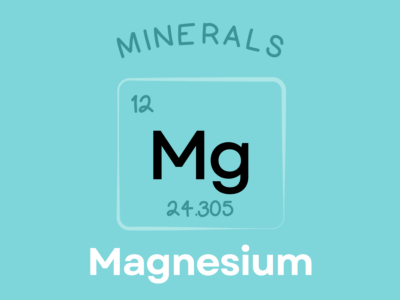
| Magnesium | Magnesium supports vascular tone, blood pressure regulation, and normal heart rhythm, and higher intake is associated with lower risk of cardiovascular disease, sudden cardiac death, and stroke. | Top food sources include green leafy vegetables, nuts and seeds (especially pumpkin seeds, almonds, and cashews), fish, legumes, whole grains, cocoa, avocados, spices, and low-fat dairy products like milk and yogurt. |
| Potassium | Higher potassium intake is consistently associated with lower blood pressure, reduced stroke risk, and lower incidence of cardiovascular disease by helping counteract sodium’s effects and supporting vascular health. | Top food sources include leafy green vegetables, cruciferous vegetables, melons like cantaloupe, bananas, apricots, plums, prunes, oranges and orange juice, potatoes, sweet potatoes, squash, avocados, mushrooms, legumes (especially lentils, kidney beans, white beans, and soybeans), many nuts and seeds, and dairy products such as milk and yogurt. |
| Selenium | Selenium, through its role in antioxidant selenoproteins, may help protect against oxidative stress and inflammation involved in atherosclerosis, though trial data on cardiovascular endpoints are mixed. | Top food sources include Brazil nuts, seafood, organ meats, muscle meats, and mushrooms such as shiitake and button. |
| Sodium | Excess sodium intake raises blood pressure and can damage blood vessels, substantially increasing the risk of heart disease, stroke, and heart failure, especially in salt-sensitive individuals. | Top food sources include processed and prepared foods made with table salt, such as soups, cured meats, salted nuts and seeds, pickles, olives, bread, packaged snacks, fast food, canned foods, soy sauce, and salad dressings, with naturally occurring sodium in seafood, seaweed, fish eggs, spinach, celery, chard, beets, carrots, milk, and baking soda. |
| Zinc | Zinc status has been linked to blood pressure, lipid profiles, and inflammatory markers, and low intake is associated with less favorable cardiovascular risk profiles, though evidence is not entirely consistent. | Good sources of zinc include red meat, some organ meats (especially liver and heart), seafood (especially oysters), eggs, legumes, nuts, and whole grains. |
| Threonine | Threonine may indirectly support cardiovascular health by improving obesity-related metabolic markers such as body weight, blood glucose, and triglycerides in animal studies, but human data are limited. | Top food sources include dairy, fish, poultry, meat, eggs, lentils, sesame seeds, mushrooms, and leafy vegetables. |
| Valine & Leucine | Preliminary animal research suggests these branched-chain amino acids may influence body weight, fat accumulation, and insulin sensitivity, but their direct impact on cardiovascular disease risk in humans remains uncertain. | Top food sources include high-protein foods such as meat, poultry, fish, eggs, dairy products, legumes (especially soybeans and podded peas), seeds, and nuts. |
| Oleic Acid | Oleic acid, the main monounsaturated fat in olive oil, improves lipid profiles, reduces LDL oxidation, supports endothelial function, and lowers inflammation and blood pressure, all of which reduce cardiovascular risk. | Top food sources include olives and olive oil, avocados and avocado oil, vegetable oils such as canola, sunflower, sesame, peanut, grapeseed, soybean, and palm oil, peanuts and peanut oil, nuts, cocoa butter, and animal fats like turkey fat, chicken fat, and lard. |
| Alpha-Linolenic Acid (ALA) | ALA intake is associated with reduced risk of coronary heart disease and cardiovascular mortality, likely via anti-inflammatory effects, modest lipid improvements, and benefits to vascular function. | Top food sources include flaxseed, hempseed, chia seeds and their oils, walnuts, pistachios, pumpkin seeds, and vegetable oils such as soybean and canola (rapeseed) oil. |
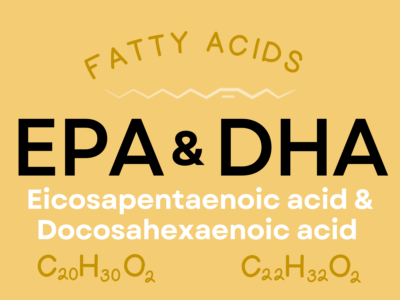
| EPA & DHA | EPA and DHA lower triglycerides, reduce blood pressure slightly, improve endothelial function, reduce platelet aggregation and arrhythmia risk, and are associated with lower rates of fatal heart disease and cardiac events. | Top food sources include fatty cold-water fish like salmon, herring, mackerel, sardines, and menhaden, some algae and cod liver oil, and shellfish such as mussels, crab, oysters, and squid. |
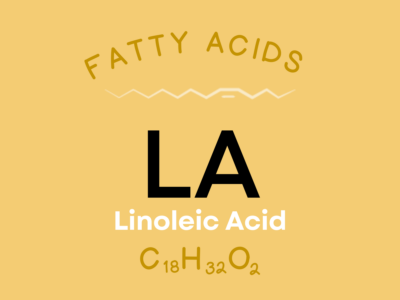
| Linoleic Acid | Higher linoleic acid intake is consistently linked with lower LDL cholesterol, reduced risk of coronary heart disease, and decreased cardiovascular mortality, especially when it replaces saturated fat. | Top food sources include sunflower, safflower, soybean, and corn oils, along with many nuts and seeds (such as walnuts, pine nuts, Brazil nuts, pumpkin seeds, and hemp seeds), and smaller amounts in pork, chicken, and eggs. |
| Conjugated Linoleic Acid (CLA) | CLA may favorably influence body composition and some cardiovascular risk factors in animal and preliminary human studies, but findings on blood lipids and heart disease risk are mixed and dose-dependent. | Top food sources include meat and dairy products from grass-fed animals, especially grass-fed beef and lamb, butter and cheese from grass-fed dairy, and other full-fat dairy products. |
| Gamma Linoleic Acid (GLA) | Through its conversion to DGLA, GLA may help reduce inflammation, promote blood vessel dilation, lower blood pressure, and inhibit smooth muscle cell proliferation involved in atherosclerosis. | Top food sources include flaxseeds and flaxseed oil, hempseed and hempseed oil, evening primrose oil, blackcurrant seed oil, borage oil, and smaller amounts in oats, spirulina, and barley. |
| Short-Chain Fatty Acids (SCFAs) | SCFAs produced by gut microbes can improve blood pressure, lipid metabolism, inflammation, and endothelial function, suggesting a gut–heart axis that may help protect against cardiovascular disease. | Top food sources include butter and other high-fat dairy products, lacto-fermented foods like sauerkraut, pickles, yogurt, and soy sauce, certain cheeses, and vinegar and alcohol, although most SCFAs are produced by beneficial gut bacteria as they break down fiber. |
| Medium Chain Triglycerides (MCTs) | MCTs may modestly improve lipid metabolism, increase fat oxidation, and support weight management, which can indirectly lower cardiovascular risk, though long-term heart disease effects need more research. | Top food sources include coconut and coconut oil, palm kernel oil, and fatty dairy products from cows, sheep, horses, and goats. |
| Stearic Acid | Unlike many other saturated fats, stearic acid has a neutral or even slightly LDL-lowering effect on blood cholesterol and appears less atherogenic, making it comparatively safer from a cardiovascular perspective. | Top food sources include meat, cocoa butter, eggs, and animal-based fats such as lard, butter, and tallow. |
Nutrients for Heart Disease
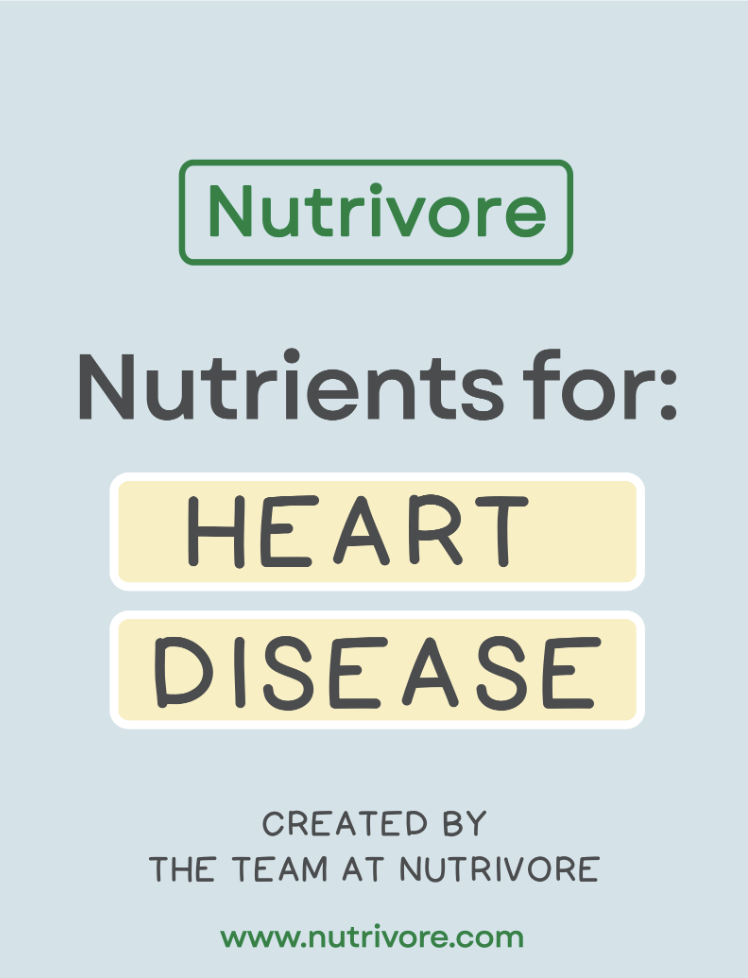
Nutrients for Heart Disease explains all the nutrients that matter most for cardiovascular health! This e-book is exclusively available in Patreon!
Plus every month, you’ll gain exclusive and early access to a variety of resources, including a weekly video podcast, a new e-book in a series, nutrient fun factsheet, and more! Sign up now and also get 5 free Nutrivore guides as a welcome gift! Win-win-win!
Benefits of a Food-Based Approach
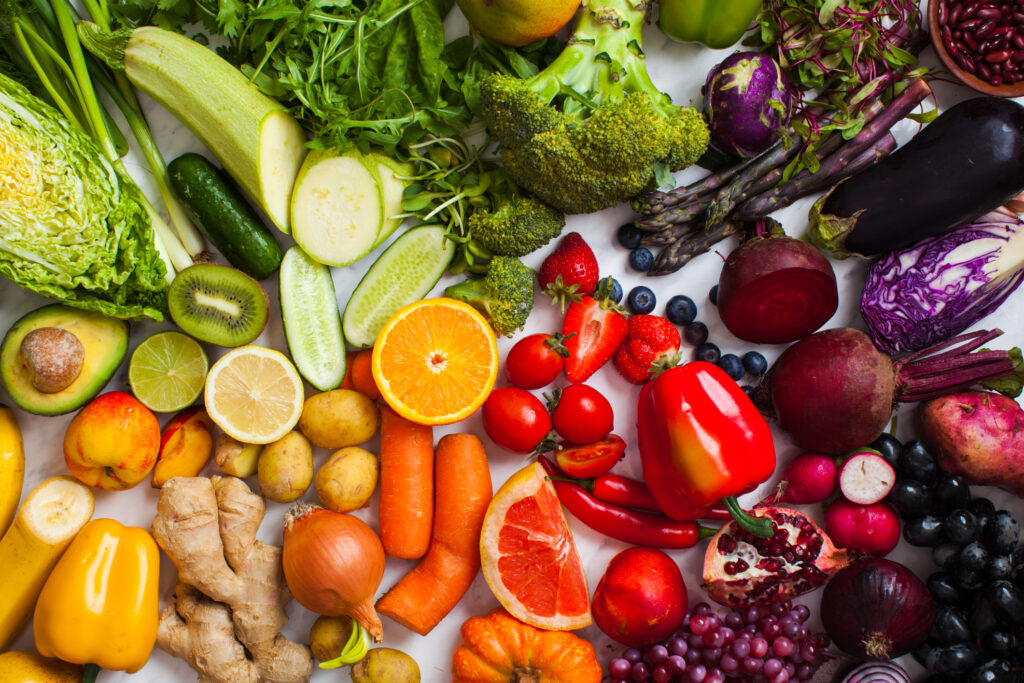
A nutrient-focused, whole-food approach can play a supportive role in managing many health conditions, especially when paired with healthy lifestyle habits like physical activity and good-quality sleep. A food-based approach to nutrition offers health benefits that go far beyond what supplements can provide. Whole foods deliver a natural balance of nutrients that work synergistically, meaning vitamins, minerals, phytonutrients, healthy fats, carbohydrates and fiber can support each other for better overall health outcomes. Nutrient-dense foods like leafy greens, fruits, legumes, nuts, seeds, and fish are efficient, cost-effective, and widely accessible options that fit easily into a healthy diet and good eating patterns. By choosing whole foods first, you not only support a more balanced diet but also avoid the added costs and potential nutrient insufficiencies that can come with eating highly processed foods and relying solely on supplements to make up the shortfall.
The variety of nutrient-dense foods available across food groups makes it easy to enjoy a satisfying, diverse, and plant-forward (though not solely plant-based) way of eating. Many of these foods provide additional health benefits including antioxidants (which are anti-inflammatory), insoluble fiber for gut health, which in turn supports overall health and wellness. Because whole foods are often more accessible and affordable than supplements, a food-based approach creates a sustainable foundation for long-term well-being.
Nutrivore encourages filling your plate with a wide range of nutrient-rich foods without the need for restrictive rules, making it easy to prevent and support health conditions through the simple power of food. With a Nutrivore approach (maximizing nutrient density across food groups), a nutritious, balanced, and enjoyable way of eating becomes both achievable and flexible for any lifestyle. While it isn’t a replacement for medical care or the advice of a registered dietitian, a balanced, food-first approach can complement your overall strategy for improving many health conditions and support long-term health goals.