
Osteoporosis is a chronic condition characterized by the weakening of bones, making them fragile and more prone to fractures. The disease develops when the rate of bone loss surpasses the rate of bone formation, leading to a reduction in bone density and quality. Often referred to as a “silent disease,” osteoporosis typically progresses without symptoms until a fracture occurs, commonly in the hip, wrist, or spine. These fractures can significantly impact mobility, independence, and quality of life, particularly in older adults.
Osteoporosis is a major public health concern in the United States, particularly among older adults. According to the National Osteoporosis Foundation (NOF), approximately 10 million Americans have osteoporosis, and another 44 million have low bone density, placing them at increased risk for the disease. Women are disproportionately affected, with around 80% of osteoporosis cases occurring in females, primarily due to hormonal changes after menopause that accelerate bone loss. Men are also affected, particularly in later life, though their risk tends to develop more gradually.
Hip fractures, often a consequence of osteoporosis, are especially concerning, as they can lead to significant disability and even mortality in older populations. Within the first year after a hip fracture, mortality rates range from 20% to 30%, highlighting the seriousness of this condition.
What Are Causes and Risk Factors of Osteoporosis?
Bone is a living tissue that undergoes constant remodeling, a process involving the breakdown of old bone and the formation of new bone. During youth, bone formation outpaces bone resorption, leading to increased bone mass. Peak bone mass is typically achieved by the late 20s. After this, bone resorption begins to exceed bone formation, leading to a gradual loss of bone density.
Osteoporosis occurs when this balance is disrupted, and factors contributing to this disruption include:
- Hormonal Changes: In women, the decline in estrogen levels after menopause significantly accelerates bone loss. In men, lower testosterone levels with aging can also contribute to reduced bone density.
- Calcium and Vitamin D Deficiency: Calcium is vital for bone strength, and vitamin D is necessary for the body to absorb calcium effectively. Insufficient intake of these nutrients over time can weaken bones.
- Age: As people age, bone density naturally decreases, increasing the risk of osteoporosis. This is due to slower bone formation and less efficient calcium absorption. The risk of osteoporosis increases significantly with age, particularly after 50.
- Medical Conditions and Medications: Chronic conditions like rheumatoid arthritis, hyperthyroidism, and kidney disease, as well as long-term use of corticosteroids, can interfere with bone health.
- Gender: Women are at greater risk due to smaller, thinner bones and the hormonal changes associated with menopause.
- Family History: A family history of osteoporosis or fractures suggests a genetic predisposition to weaker bones.
- Ethnicity: Caucasian and Asian populations have a higher risk of developing osteoporosis compared to other ethnic groups.
- Dietary Choices: A diet low in calcium and vitamin D can lead to weaker bones.
- Physical Inactivity: Weight-bearing and strength-training exercises are essential for maintaining bone density.
- Smoking: Smoking reduces blood flow to bones and impairs the production of bone-forming cells.
- Excessive Alcohol: Heavy alcohol consumption interferes with calcium balance and bone remodeling.
- Medications: Long-term use of glucocorticoids, certain anticonvulsants, and other drugs can affect bone health.
How Do You Reduce Risk of Osteoporosis?

Osteoporosis is largely preventable, particularly with early intervention and lifestyle changes. By addressing risk factors and supporting bone health, individuals can reduce their likelihood of developing the condition.
- Adequate Nutrient Intake: Vitamin D and calcium work in concert together to support bone health, however adequate consumption of all nutrients is critical for overall health. Adopt a Nutrivore diet to achieve adequate intake of all micronutrients.
- Engage in Regular Exercise: Weight-bearing exercises like walking, jogging, and dancing, as well as resistance training such as lifting weights, stimulate bone formation and strengthen muscles that support bones. Balance and flexibility exercises, like yoga or tai chi, can help reduce the risk of falls that may lead to fractures.
- Avoid Smoking and Limit Alcohol: Quitting smoking improves bone health, as smoking accelerates bone loss. Limiting alcohol consumption to moderate levels (up to one drink per day for women and two for men) supports bone health and reduces fall risk.
- Prevent Falls: Simple measures, such as improving home safety (e.g., removing tripping hazards and installing grab bars) and using appropriate footwear, can help prevent falls that might result in fractures.
- Monitor Bone Health: Regular bone density screenings (DEXA scans) are recommended for women over 65 and men over 70, or earlier for those with risk factors. Early detection of bone loss allows for timely intervention.
- Medications: For individuals at high risk of fractures, medications such as bisphosphonates, hormone therapy, or newer options may be prescribed to slow bone loss or increase bone formation. Work with your doctor to determine if this is an option for you, given your personal health history and situation.
Nutrients for Bone Health and Osteoporosis
Learn more about all of the nutrients linked to bone health and risk of osteoporosis, the other ways these nutrients improve our health, and the best food sources of each of them!

How Do Nutrients Improve Bone Health and Osteoporosis?
A Nutrivore approach emphasizes nutrients that help the body function at its best—including those essential for building and maintaining strong bones. Current research highlights the following nutrients for bone health and osteoporosis support, along with food sources to help you incorporate these nutrients through your diet.
| Nutrient | How it Supports Bone Health and Osteoporosis | Top Food Sources |
|---|---|---|
| Vitamin C | Higher vitamin C intake is strongly associated with lower osteoporosis risk, reduced hip fracture incidence, and greater bone mineral density in the lumbar spine and femoral neck. Its antioxidant and collagen-supportive roles likely contribute to improved bone structure and resilience. | Top food sources include citrus fruits, kiwis, berries, red peppers, guavas, papayas, broccoli, Brussels sprouts, tomatoes, cantaloupe, leafy greens, and certain organ meats. |
| Vitamin D | Vitamin D is essential for calcium and phosphorus regulation and dramatically reduces fracture and fall risk when supplemented (especially at 600–800 IU/day). Low vitamin D status is common in osteoporosis and contributes directly to decreased bone mineral density. | Top food sources include fatty fish (salmon, mackerel, sardines, herring), fish eggs (roe), liver, red meat, egg yolks, and UV-exposed mushrooms or yeast. |
| Vitamin K | Vitamin K supports bone formation through K-dependent proteins that regulate mineralization, with higher intake associated with substantially lower fracture risk. K2-rich foods may slow bone loss in postmenopausal women, though supplementation trials show mixed results. | K1 sources include leafy greens (kale, chard, collards, spinach), broccoli, and Brussels sprouts; K2 sources include natto, liver, egg yolks, hard cheeses, butter, pork, and dark chicken meat. |
| Calcium | Calcium modestly improves bone density in older adults and significantly reduces fracture risk when combined with vitamin D or vitamin K. Adequate calcium intake is essential to support the bone-building effects of exercise and other interventions. | Top food sources include dairy products (especially low-fat dairy), bone-in sardines, Brassica vegetables (kale, collards, turnip greens, bok choy, broccoli, cabbage), seaweed, and fortified foods such as orange juice, soy milk, and select cereals. |
| Chloride | Chloride may contribute to osteoporosis by increasing calcium loss in urine and enhancing osteoclast-driven bone resorption; sodium chloride increases calcium excretion, while sodium alone does not. Chloride channels also directly regulate bone-resorbing cell activity. | Foods high in chloride include prawns, salmon, seaweed, tomatoes, olives, celery, and lettuce, as well as foods prepared with table salt. |
| Copper | Copper may support bone health through its role in collagen cross-linking via the enzyme lysyl oxidase; some studies show reduced bone loss or lower fracture risk with adequate copper, though findings are inconsistent and more research is needed. | Excellent sources include oysters and other shellfish, legumes, nuts, seeds, organ meats, sweet potatoes, salmon, tempeh, dark chocolate, avocados, and mushrooms. |
| Fluoride | Fluoride increases bone mineral density but does not reduce fractures—and may increase skeletal fragility at high intake due to formation of lower-quality bone tissue. Higher fluoride exposure may raise fracture risk despite denser bone. | Most intake comes from fluoridated water; natural sources include seafood (crab, shrimp), grapes, wine, potatoes, brewed tea, brewed coffee, and cocoa powder. |
| Magnesium | Magnesium supports skeletal structure and vitamin D metabolism, with higher intake linked to greater bone density and lower fracture risk. Supplementation increases bone mineral density in postmenopausal women and can reverse vitamin-D–resistant rickets in children. | Top food sources include leafy greens, pumpkin seeds, almonds, cashews, fish, legumes, whole grains, cocoa, avocados, spices, and low-fat dairy. |
| Manganese | Manganese contributes to bone and collagen formation, and low levels are commonly observed in women with osteoporosis. Supplementation with manganese (combined with zinc and copper) enhances calcium’s ability to prevent spinal bone loss. | Food sources include fish and shellfish (mussels, clams, oysters), nuts and seeds, sweet potatoes, legumes, leafy greens, tea, cruciferous vegetables, and whole grains like oatmeal, brown rice, and bran cereals. |
| Potassium | Potassium may reduce bone resorption and increase bone formation, with supplementation improving bone mineral density at multiple skeletal sites in older adults. Observational studies link higher potassium intake with lower fracture risk in women. | Top sources include leafy greens, cruciferous vegetables, melons, bananas, apricots, plums, prunes, oranges/orange juice, potatoes, sweet potatoes, squash, avocados, mushrooms, legumes, nuts, seeds, and low-fat dairy. |
| Sodium | High sodium intake increases urinary calcium loss and is associated with lower bone mineral density, particularly when calcium intake is insufficient. Potassium supplementation can counteract sodium-induced calcium loss. | Natural sources include seafood (lobster, crab, mussels, clams, shrimp, scallops, oysters, octopus), seaweed, fish eggs, spinach, celery, chard, beets, carrots, milk, and sodium bicarbonate (baking soda). |
| Zinc | Zinc deficiency is common in osteoporosis and supplementation improves bone mineral density, bone formation markers, and mineralization at several skeletal sites. | Top food sources include red meat, liver, heart, oysters, eggs, legumes, nuts, and whole grains (with greater bioavailability from animal foods). |
| Lysine | Lysine improves calcium absorption and retention and supports collagen formation in bone. Studies show lysine combined with calcium reduces urinary calcium loss and enhances bone-cell proliferation and healing. | Lysine-rich foods include eggs, red meat, poultry, shellfish, fin fish (tuna, salmon, cod, sardines), cheese (especially parmesan and ricotta), yogurt, soybeans, legumes, spirulina, and fenugreek seed. |
Nutrients for Bone Health and Osteoporosis
Nutrients for Bone Health and Osteoporosis explains all the nutrients that matter most for bone health! This e-book is exclusively available in Patreon!
Plus every month, you’ll gain exclusive and early access to a variety of resources, including a weekly video podcast, a new e-book in a series, nutrient fun factsheet, and more! Sign up now and also get 5 free Nutrivore guides as a welcome gift! Win-win-win!
Benefits of a Food-Based Approach
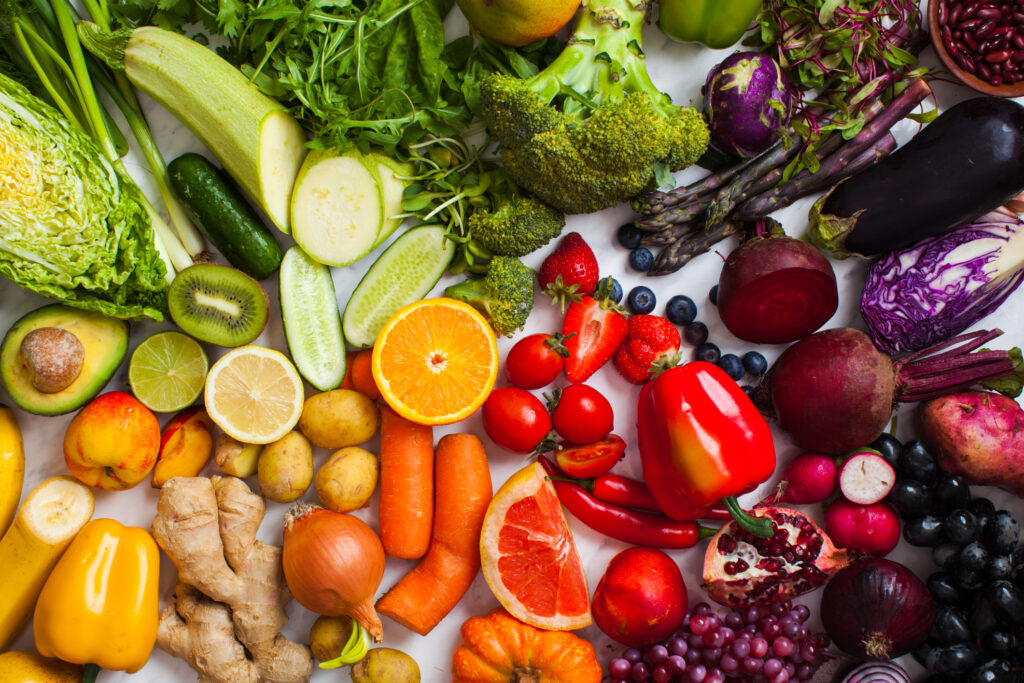
A nutrient-focused, whole-food approach can play a supportive role in managing many health conditions, especially when paired with healthy lifestyle habits like physical activity and good-quality sleep. A food-based approach to nutrition offers health benefits that go far beyond what supplements can provide. Whole foods deliver a natural balance of nutrients that work synergistically, meaning vitamins, minerals, phytonutrients, healthy fats, carbohydrates and fiber can support each other for better overall health outcomes. Nutrient-dense foods like leafy greens, fruits, legumes, nuts, seeds, and fish are efficient, cost-effective, and widely accessible options that fit easily into a healthy diet and good eating patterns. By choosing whole foods first, you not only support a more balanced diet but also avoid the added costs and potential nutrient insufficiencies that can come with eating highly processed foods and relying solely on supplements to make up the shortfall.
The variety of nutrient-dense foods available across food groups makes it easy to enjoy a satisfying, diverse, and plant-forward (though not solely plant-based) way of eating. Many of these foods provide additional health benefits including antioxidants (which are anti-inflammatory), insoluble fiber for gut health, which in turn supports overall health and wellness. Because whole foods are often more accessible and affordable than supplements, a food-based approach creates a sustainable foundation for long-term well-being.
Nutrivore encourages filling your plate with a wide range of nutrient-rich foods without the need for restrictive rules, making it easy to prevent and support health conditions through the simple power of food. With a Nutrivore approach (maximizing nutrient density across food groups), a nutritious, balanced, and enjoyable way of eating becomes both achievable and flexible for any lifestyle. While it isn’t a replacement for medical care or the advice of a registered dietitian, a balanced, food-first approach can complement your overall strategy for improving many health conditions and support long-term health goals.