
Eye health encompasses a range of conditions that can impact vision, comfort, and overall quality of life. Some common eye diseases are glaucoma and cataracts, diabetic retinopathy and blepharitis. Understanding what these are, how prevalent they are in the United States, what causes them and what risk factors increase their likelihood—and most importantly how to reduce risk—can help preserve eyesight and support better long‑term health.
Glaucoma
Glaucoma refers to a group of eye diseases that damage the optic nerve (often associated with increased intra‑ocular pressure) and can lead to permanent vision loss if not treated. The Centers for Disease Control and Prevention (CDC) via its Vision and Eye Health Surveillance System (VEHSS) estimates that among U.S. adults aged 40 years or older, the prevalence of glaucoma is about 2.1%.
Cataracts
Cataracts involve clouding of the eye’s natural lens, leading to blurred vision, faded colours, glare in bright light, and difficulty seeing at night. Over time, they can become a significant cause of visual impairment. Older data indicate that around 24 million Americans have cataracts, with projections increasing as the population ages.
Diabetic Retinopathy
Diabetic Retinopathy (DR) is damage to the blood vessels of the retina brought on by prolonged high blood sugar levels in people with diabetes. It is a leading cause of vision loss among working‑age adults. In 2021 in the U.S., about 9.6 million people had DR (≈ 26.4 % of those with diabetes), and approximately 1.84 million had vision‑threatening DR.
Blepharitis
Blepharitis is chronic inflammation of the eyelid margins, eyelash bases or oil glands in the eyelids. While not typically vision‑threatening, it’s very common and can cause discomfort, irritation, light sensitivity, and secondary ocular surface disease. Exact general‑population prevalence data are limited, but one clinical survey indicated 37‑47% of patients seen by eye‑care professionals had signs of blepharitis.
What Are Causes and Risk Factors for Eye Disease?
- Glaucoma: Causes include elevated eye pressure, impaired drainage of eye fluid, damage to the optic nerve. Risk factors for developing glaucoma include older age, higher intra‑ocular pressure, family history, being of African or Hispanic descent, and less access to eye care.
- Cataracts: Largely age‑related degeneration of the lens; risk factors include older age, smoking, diabetes, obesity, sun/UV exposure, steroid use, and socioeconomic & lifestyle factors.
- Diabetic Retinopathy: Caused by chronic high blood sugar damaging retinal blood vessels, leading to leakage, bleeding or new abnormal vessel growth. Risk factors include duration of diabetes, poor glycaemic control, hypertension, high cholesterol, older age.
- Blepharitis: Caused by oil‑gland dysfunction at the eyelid margin, bacterial overgrowth, inflammatory skin conditions (like rosacea or seborrheic dermatitis). Risk factors include older age, skin diseases, ocular surface disease, clogged meibomian glands.
How Do You Reduce Risk of Eye Disease?

General practices to reduce the risk for all conditions, and to prevent any other potential for eye health problems:
- Eye exams: Regular comprehensive eye exams provide an early detection for eye diseases, especially for glaucoma and diabetic retinopathy.
- Disease management: Manage underlying systemic conditions (e.g., diabetes, high blood pressure).
- Eye protection: Shield eyes from UV light using sunglasses with UV 400 protection.
- Limit and avoid toxins: Avoid smoking and limit heavy alcohol use which are risk factors especially for cataracts.
- Nutrition sufficiency: Consume a predominantly whole-foods diet rich in antioxidants, omega‑3 fatty acids, leafy greens, fish, and nuts.
- Blood sugar: Proper control of blood sugar in diabetics, maintaining control and normal blood pressure and lipid levels in the body.
Disease-specific prevention might include the following:
- Glaucoma: In addition to eye exams, regular physical activity and avoiding extremely high eye pressure (for example from chronic steroid use or trauma) may help.
- Cataracts: Quit smoking, wear UV‑blocking sunglasses and hats, control diabetes/obesity, ensure adequate nutrition.
- Diabetic retinopathy: Strict glycaemic control, blood pressure control, regular retinal screening especially in people with longer‑standing diabetes. Early detection and treatment (laser/anti‑VEGF) can prevent vision loss.
- Blepharitis: Eyelid‑hygiene routines (warm‑compresses, lid‑scrubs), treat underlying skin conditions, manage meibomian gland dysfunction, reduce environmental irritants.
Nutrients for Eye Health
Learn more about all of the nutrients linked to eye health, the other ways these nutrients improve our health, and the best food sources of each of them!


How Do Nutrients Improve Eye Health?
A Nutrivore approach emphasizes nutrients that help the body function at its best—including the structures that support clear vision and overall eye health. Current research highlights the following nutrients for eye-health support, along with food sources to help you incorporate these nutrients through your diet.
| Nutrient | How it Supports Eye Health | Top Food Sources |
|---|---|---|
| Vitamin A | Vitamin A supports vision and retinal health, and may help protect against age-related macular degeneration; in retinitis pigmentosa, high-dose retinyl palmitate has been shown to significantly slow the loss of retinal function in adults. | The only food sources of retinoids are animal products, and the richest sources are liver, cod liver oil, egg yolks, grass-fed high-fat dairy products, and seafood (especially shrimp, salmon, sardines, and tuna). Vitamin A precursors are found in yellow, orange, and green vegetables and fruits, such as carrots, sweet potatoes, spinach, broccoli, cantaloupe, mangoes, winter squash, lettuce, tomatoes, apricots, and bell peppers. |
| Vitamin B1 (Thiamin) | Higher thiamin intake has been associated with a lower incidence of cataracts in observational studies, though cause-and-effect and mechanisms haven’t been fully established. | Top food sources include organ meats, pork, seeds, squash, yeasts, fish (especially trout, mackerel, salmon, and tuna), legumes, whole grains, and fortified foods like breakfast cereals and breads. |
| Vitamin B2 (Riboflavin) | Observational studies suggest riboflavin may help prevent age-related cataracts, with people in the highest intake quintile up to 50% less likely to develop cataracts than those in the lowest quintile, though randomized trials are still needed. | Top food sources include organ meats, mushrooms, leafy greens, eggs, dairy products, almonds, yeast, legumes, and squash. |
| Vitamin C | Vitamin C can help prevent or slow the development of cataracts, and may also help slow progression of age-related macular degeneration when taken as part of an antioxidant combination formula. | Top food sources include citrus fruits, kiwis, berries, red peppers, guavas, papayas, broccoli, Brussels sprouts, tomatoes, cantaloupe, leafy greens, and certain organ meats. |
| Vitamin E | Vitamin E appears to protect against various forms of retinopathy (including diabetic retinopathy and retinopathy of prematurity) by improving retinal blood flow and scavenging free radicals in hypoxic conditions, and may also help reduce risk or progression of cataracts and, to a lesser extent, macular degeneration. | Top food sources include nuts and seeds (particularly sunflower seeds, almonds, and hazelnuts), avocados and olives and their oils, palm oil, vegetable oils, fatty fish, organ meats, tomatoes, corn, asparagus, oats, wheat germ, wheat germ oil, peanuts, chestnuts, coconut, kiwis, carrots, and some fortified breakfast cereals. |
| Calcium | Higher dietary calcium intake has been associated with a substantially lower incidence of diabetic retinopathy, suggesting a possible protective role for retinal blood vessels, though more research is needed to confirm causality. | Top food sources include dairy products (especially low-fat dairy such as milk and yogurt), bone-in sardines, green vegetables (especially Brassica vegetables like kale, collard greens, turnip greens, bok choy, broccoli, and cabbage), seaweed, and fortified foods like orange juice, soy milk, and certain cereals. |
| Copper | Lower copper intake has been linked with a higher risk of diabetic retinopathy in people with diabetes, suggesting that adequate copper may help protect the retinal vasculature. | Top food sources include oysters and other shellfish, legumes, nuts, seeds, organ meats, sweet potatoes, salmon, tempeh, dark chocolate, avocados, and mushrooms. |
| Potassium | Potassium intake shows an inverse association with diabetic retinopathy in observational data, indicating it may play a protective role for retinal health, though more research is needed to clarify mechanisms and causality. | Top food sources include leafy greens, cruciferous vegetables, melons like cantaloupe, bananas, apricots, plums, prunes, oranges and orange juice, potatoes, sweet potatoes, squash, avocados, mushrooms, legumes (especially lentils, kidney beans, white beans, and soybeans), many nuts and seeds (including pistachios, almonds, hazelnuts, and Brazil nuts), and dairy products such as milk and yogurt. |
| Zinc | Zinc may help protect against age-related macular degeneration, likely due to its high concentration and enzymatic roles in the retina; supplementation with zinc plus antioxidants has been shown to reduce AMD progression and vision loss, and zinc deficiency may also contribute to blepharitis in some cases. | Good sources of zinc include red meat, some organ meats (especially liver and heart), seafood (especially oysters), eggs, legumes, nuts, and whole grains, with higher bioavailability from animal foods than from phytate-rich plant foods. |
| GLA | Limited evidence suggests GLA may help improve symptoms of blepharitis and meibomian gland dysfunction; in one trial, linoleic acid plus GLA significantly improved signs and symptoms when combined with eyelid hygiene. | Top food sources include flaxseeds and flaxseed oil, hempseed and hempseed oil, evening primrose oil, blackcurrant seed oil, borage oil, and smaller amounts in oats, spirulina, and barley. |

Nutrients for Eye Health
Nutrients for Eye Health highlights the nutrients that support vision and help reduce risk of age-related eye conditions! This e-book is exclusively available in Patreon!
Plus every month, you’ll gain exclusive and early access to a variety of resources, including a weekly video podcast, a new e-book in a series, nutrient fun factsheet, and more! Sign up now and also get 5 free Nutrivore guides as a welcome gift! Win-win-win!
Benefits of a Food-Based Approach
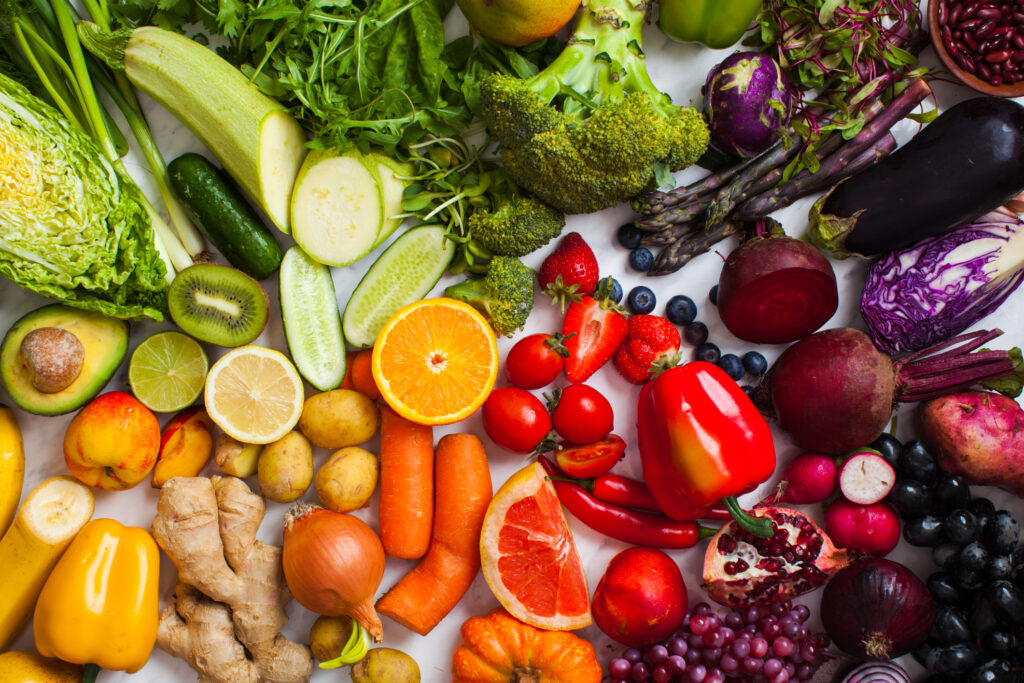
A nutrient-focused, whole-food approach can play a supportive role in managing many health conditions, especially when paired with healthy lifestyle habits like physical activity and good-quality sleep. A food-based approach to nutrition offers health benefits that go far beyond what supplements can provide. Whole foods deliver a natural balance of nutrients that work synergistically, meaning vitamins, minerals, phytonutrients, healthy fats, carbohydrates and fiber can support each other for better overall health outcomes. Nutrient-dense foods like leafy greens, fruits, legumes, nuts, seeds, and fish are efficient, cost-effective, and widely accessible options that fit easily into a healthy diet and good eating patterns. By choosing whole foods first, you not only support a more balanced diet but also avoid the added costs and potential nutrient insufficiencies that can come with eating highly processed foods and relying solely on supplements to make up the shortfall.
The variety of nutrient-dense foods available across food groups makes it easy to enjoy a satisfying, diverse, and plant-forward (though not solely plant-based) way of eating. Many of these foods provide additional health benefits including antioxidants (which are anti-inflammatory), insoluble fiber for gut health, which in turn supports overall health and wellness. Because whole foods are often more accessible and affordable than supplements, a food-based approach creates a sustainable foundation for long-term well-being.
Nutrivore encourages filling your plate with a wide range of nutrient-rich foods without the need for restrictive rules, making it easy to prevent and support health conditions through the simple power of food. With a Nutrivore approach (maximizing nutrient density across food groups), a nutritious, balanced, and enjoyable way of eating becomes both achievable and flexible for any lifestyle. While it isn’t a replacement for medical care or the advice of a registered dietitian, a balanced, food-first approach can complement your overall strategy for improving many health conditions and support long-term health goals.