
Anxiety
Anxiety is an emotion characterized by feelings of tension, worried thoughts, and physical changes like increased blood pressure. It often involves excessive and persistent worry about everyday situations, leading to symptoms such as restlessness, fatigue, difficulty concentrating, irritability, and sleep disturbances. Physically, anxiety can manifest through increased heart rate, rapid breathing, sweating, and trembling.
In the United States, anxiety disorders are among the most common mental health conditions. According to the National Institute of Mental Health (NIMH), it is estimated that over a third of U.S. adults will experience an anxiety disorder at some point in their lives. However as with many mental health disorders, it is very likely that many cases go unreported and untreated, therefore this estimation could be severely underrepresented. Anxiety disorders can be categorized in several different ways including but not limited to generalized anxiety disorder, panic disorder, social anxiety disorder, and specific phobias, and each present with unique characteristics but share common features of excessive fear and worry.
Depression
Depression, or major depressive disorder, is a common and serious medical illness that negatively affects how you feel, the way you think, and how you act. It causes feelings of sadness and/or a loss of interest in activities once enjoyed. It can lead to a variety of emotional and physical problems and can decrease a person’s ability to function at work and at home. Symptoms may include changes in appetite, trouble sleeping or sleeping too much, loss of energy, and thoughts of death or suicide.
In the United States, depression is a significant public health concern. According to the National Institute of Mental Health (NIMH), an estimated 21 million (or 8.4%) of all U.S. adults experienced at least one major depressive episode in 2021. The prevalence of depression is often reported higher among females, however social stigma and general acceptance of mental health issues continues to contribute to suspected underreporting of depression. Young adults aged 18-25 years appear to have the highest prevalence of major depressive episodes (17.0%) among adult age groups. These statistics highlight the widespread impact of depression across various demographics in the country, even despite the suspected underreporting.
What Are Causes and Risk Factors of Anxiety & Depression?
The development of anxiety and depression is multifaceted, involving a combination of genetic, biological, environmental, and psychological factors.
- Genetic Factors: A family history of anxiety or depression can increase susceptibility due to inherited genetic variations.
- Biological Factors: Neurotransmitter imbalances, particularly involving serotonin, norepinephrine, and dopamine, are linked to mood regulation and may contribute to these disorders.
- Environmental Factors (Situational): Exposure to chronic stressors such as financial difficulties, relationship problems, or traumatic events can trigger or exacerbate symptoms. More recently, other factors like excessive use of social media, societal pressures, and global events have been seen to lead to these conditions.
- Psychological Factors: Personality traits like low self-esteem or a tendency toward negative thinking can increase vulnerability.
- Social Determinants: Factors such as housing instability, poverty, and lack of social support are significant contributors. For instance, poor living conditions and social isolation have been linked to higher risks of mental health disorders such as anxiety and depression.
How Do You Reduce Risk of Anxiety & Depression?

While not all cases of anxiety and depression can be prevented, certain strategies may reduce risk or mitigate severity:
- Physical Activity: Engaging in regular exercise, such as walking, has been shown to lower the risk of depression.
- Healthy Diet: Consuming a balanced diet rich in whole foods and low in ultra-processed foods supports brain health. Poor dietary habits resulting in inflammation and oxidative stress can damage brain function, exacerbating conditions like anxiety and depression.
- Social Connections: Maintaining supportive relationships with friends, family, and community can provide emotional support and reduce feelings of isolation.
- Stress Management: Practices such as mindfulness, meditation, and yoga can help manage stress levels.
- Adequate Sleep: Ensuring sufficient and quality sleep is essential for mental health. Sleep disorders are prevalent among college students and can exacerbate anxiety and depression.
- Limiting Social Media Use: Excessive use of social media has been linked to increased anxiety and depression, particularly among adolescents. Monitoring and reducing screen time can be beneficial.
- Seeking Professional Help: Early intervention through counseling or therapy can address symptoms before they worsen. Mental health professionals can provide coping strategies and, if necessary, medication.
Nutrients for Anxiety & Depression
Learn more about all of the nutrients linked to risk of anxiety and depression, the other ways these nutrients improve our health, and the best food sources of each of them!
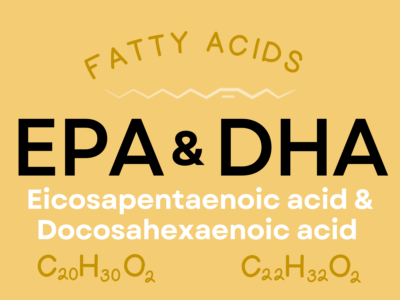

How Do Nutrients Improve Anxiety & Depression?
A Nutrivore approach emphasizes nutrients that help the body function at its best—including the systems that influence mood, stress response, and emotional balance. Current research highlights the following nutrients for supporting anxiety and depression, along with food sources to help you incorporate these nutrients through your diet.
| Nutrient | How it Supports Anxiety & Depression | Top Food Sources |
|---|---|---|
| Vitamin B6 | Low vitamin B6 status has been repeatedly linked with late-life depression, and supplementation (along with folate and B12) has been shown to cut the risk of major depressive episodes in half after stroke. B6 may help due to its role in PLP-dependent enzymes needed to produce mood-related neurotransmitters. | Top food sources include fish, leafy greens, root vegetables, bananas, chickpeas, red meat, poultry, and seeds such as sunflower and pumpkin; many cereals are fortified with vitamin B6. |
| Vitamin B12 | Low vitamin B12 levels are disproportionately common in people with depression and may impair methylation reactions involving SAMe, which influence neurotransmitter synthesis. Although supplementation often includes other B vitamins, observational evidence links low B12 with higher depression risk—even during pregnancy. | Top food sources include fish (sardines, salmon, tuna, cod), shellfish, organ meats, beef, eggs, poultry, dairy, tempeh, and fortified foods such as nutritional yeast, cereals, and plant milks. |
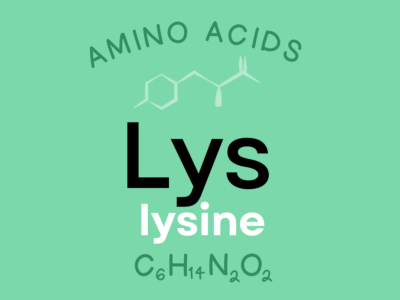
| Lysine | Lysine has demonstrated anxiolytic effects in multiple human trials, reducing cortisol, sympathetic arousal, and chronic anxiety—likely by acting as a partial serotonin receptor 4 antagonist, altering serotonin-mediated anxiety pathways. | Top food sources include eggs, red meat, poultry, shellfish, fish like tuna, salmon, cod, and sardines, parmesan and ricotta cheese, yogurt, soybeans, legumes, spirulina, and fenugreek seed. |
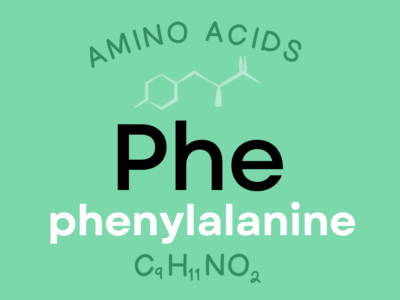
| Phenylalanine | Phenylalanine is a precursor to mood-regulating neurotransmitters, and low blood levels have been observed in major depressive disorder; small clinical studies show supplementation can improve depressive symptoms, though larger trials are still needed. | Top food sources include beef, pork, poultry, fish, dairy products, eggs, nuts, seeds, and foods containing aspartame. |
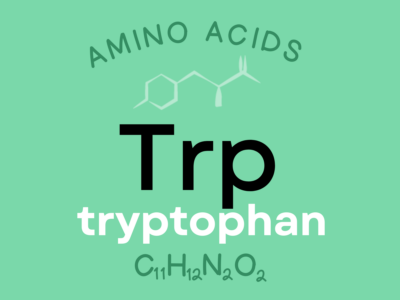
| Tryptophan | Tryptophan may benefit seasonal affective disorder (SAD), potentially enhancing or prolonging the antidepressant effects of light therapy, though genetic factors may influence individual responsiveness. | Top food sources include poultry, egg whites, dairy, sunflower, pumpkin, and sesame seeds, soybeans, peanuts, oats, bananas, and fish. |

Nutrients for Anxiety & Depression
Nutrients for Anxiety & Depression explains the nutrients that matter most for mood regulation, stress resilience, and brain health! This e-book is exclusively available in Patreon!
Plus every month, you’ll gain exclusive and early access to a variety of resources, including a weekly video podcast, a new e-book in a series, nutrient fun factsheet, and more! Sign up now and also get 5 free Nutrivore guides as a welcome gift! Win-win-win!
Benefits of a Food-Based Approach

A nutrient-focused, whole-food approach can play a supportive role in managing many health conditions, especially when paired with healthy lifestyle habits like physical activity and good-quality sleep. A food-based approach to nutrition offers health benefits that go far beyond what supplements can provide. Whole foods deliver a natural balance of nutrients that work synergistically, meaning vitamins, minerals, phytonutrients, healthy fats, carbohydrates and fiber can support each other for better overall health outcomes. Nutrient-dense foods like leafy greens, fruits, legumes, nuts, seeds, and fish are efficient, cost-effective, and widely accessible options that fit easily into a healthy diet and good eating patterns. By choosing whole foods first, you not only support a more balanced diet but also avoid the added costs and potential nutrient insufficiencies that can come with eating highly processed foods and relying solely on supplements to make up the shortfall.
The variety of nutrient-dense foods available across food groups makes it easy to enjoy a satisfying, diverse, and plant-forward (though not solely plant-based) way of eating. Many of these foods provide additional health benefits including antioxidants (which are anti-inflammatory), insoluble fiber for gut health, which in turn supports overall health and wellness. Because whole foods are often more accessible and affordable than supplements, a food-based approach creates a sustainable foundation for long-term well-being.
Nutrivore encourages filling your plate with a wide range of nutrient-rich foods without the need for restrictive rules, making it easy to prevent and support health conditions through the simple power of food. With a Nutrivore approach (maximizing nutrient density across food groups), a nutritious, balanced, and enjoyable way of eating becomes both achievable and flexible for any lifestyle. While it isn’t a replacement for medical care or the advice of a registered dietitian, a balanced, food-first approach can complement your overall strategy for improving many health conditions and support long-term health goals.