
Kidney stones are hard, pebble-like deposits that form in the kidneys when minerals and salts in the urine crystallize and stick together. They can vary in size and may remain in the kidney or travel through the urinary tract, sometimes causing severe pain, nausea, and difficulty urinating. Common types include calcium oxalate, uric acid, and struvite stones. Dehydration, high-sodium diets, obesity, and certain medical conditions can increase the risk of developing kidney stones. Staying well-hydrated, moderating intake of salt and animal protein, and following a balanced diet are key strategies for preventing kidney stone formation and recurrence. Approximately 1 in 10 people will experience kidney stones during their lifetime. The prevalence is increasing, with factors such as diet and lifestyle contributing to this rise.
What Are Causes and Risk Factors of Kidney Stones?
Kidney stones form when urine becomes concentrated, allowing minerals to crystallize and stick together. Risk factors include:
- Diet: High intake of sodium, protein, and potentially oxalate-rich foods increases the risk of developing kidney stones (though studies show inconsistent reduction of urinary oxalates from dietary oxalate reductions, but it’s worth a try in conjunction with other mitigations).
- Dehydration: Insufficient fluid intake concentrates urine and therefore increases the risk of developing kidney stones.
- Obesity: Increases the risk of stone formation.
- Certain Medical Conditions: Gout and urinary tract infections can increase the risk for developing kidney stones.
- Family History: Genetic predisposition plays a role in the development and recurrence of kidney stones.
How Do You Reduce Risk of Kidney Stones?

Preventive measures to reduce the risk of developing kidney stones include:
- Stay Hydrated: Drink plenty of fluids to dilute urine.
- Dietary Modifications: Reduce salt and animal protein intake; limit foods high in oxalates like spinach and nuts.
- Maintain a Healthy Weight: Regular exercise and a balanced diet help.
- Limit Sugary Beverages: High consumption of sodas, especially those with high fructose corn syrup, is linked to increased stone risk.
Nutrients for Kidney Stones
Learn more about all of the nutrients linked to risk of kidney stones, the other ways these nutrients improve our health, and the best food sources of each of them!
How Do Nutrients Improve Kidney Health?
A Nutrivore approach emphasizes nutrients that help the body function at its best—including those that support healthy kidney filtration, fluid balance, and metabolic regulation. Current research highlights the following nutrients for kidney health and kidney-stone prevention, along with food sources to help you incorporate these nutrients through your diet.
| Nutrient | How it Supports Kidney Health | Top Food Sources |
|---|---|---|
| Vitamin B2 (Riboflavin) | Low riboflavin intake is associated with a significantly increased risk of developing chronic kidney disease, with individuals in the lowest intake category nearly three times more likely to progress to advanced CKD. | Top food sources include organ meat, mushrooms, leafy greens, eggs, dairy products, almonds, yeast, legumes, and squash. |
| Vitamin B6 | Higher vitamin B6 intake may reduce kidney stone risk, with observational and controlled studies showing reductions in urinary oxalate and stone formation, though evidence remains too limited for formal clinical recommendations. | Food sources include fish, leafy greens, root vegetables, bananas, chickpeas, red meat, poultry, sunflower and pumpkin seeds, and fortified cereals. |
| Vitamin C | Higher vitamin C status is associated with lower CKD risk, reduced albuminuria, better eGFR, and lower probability of disease in older adults; high dietary intake is also linked with substantially reduced CKD incidence. | Found in citrus fruits, kiwis, berries, red peppers, guavas, papayas, broccoli, Brussels sprouts, tomatoes, cantaloupe, leafy greens, and adrenal-rich organ meats. |
| Calcium | Although high urinary calcium increases stone risk, dietary calcium is protective: higher calcium intake significantly lowers calcium-oxalate stone risk and reduces recurrence, likely by binding oxalate in the gut and reducing absorption. Calcium supplements, however, may increase stone risk in some cases. | Sources include dairy (especially low-fat), bone-in sardines, Brassica vegetables (kale, collards, bok choy, broccoli, cabbage), seaweed, beans, and calcium-fortified foods like orange juice or soy milk. |
| Copper | Higher dietary copper intake is associated with a lower risk of kidney stones, with the highest intake group showing a 15% reduction in stone formation risk. | Excellent sources include oysters and shellfish, legumes, nuts, seeds, organ meats, sweet potatoes, salmon, tempeh, dark chocolate, avocados, and mushrooms. |
| Potassium | Potassium lowers stone risk by decreasing urinary calcium excretion, with large cohort studies showing up to a 56% reduction in symptomatic kidney stones among those with the highest potassium intake. Potassium citrate also reduces recurrence in stone-formers under medical supervision. | Top sources include leafy greens, cruciferous vegetables, melons, bananas, apricots, plums, prunes, oranges/orange juice, potatoes, sweet potatoes, squash, avocados, mushrooms, legumes, nuts, seeds, and low-fat dairy. |
| Sodium | High sodium intake worsens kidney disease progression by impairing filtration, increasing blood volume, elevating blood pressure, and causing tissue damage; it also increases urinary calcium loss and raises kidney stone risk. Low-sodium diets do not appear to change CKD mortality but do improve medication responsiveness and halve recurrence in calcium-oxalate stone-formers. | Highest from processed/salted foods (soups, cured meats, salted nuts, pickles, olives, breads, packaged snacks, fast food, canned foods), soy sauce and dressings; natural sources include seafood, seaweed, fish eggs, spinach, celery, chard, beets, carrots, milk, and baking soda. |

Nutrients for Kidney Disease
Nutrients for Kidney Disease explains all the nutrients that matter most for the health of your kidneys! This e-book is exclusively available in Patreon!
Plus every month, you’ll gain exclusive and early access to a variety of resources, including a weekly video podcast, a new e-book in a series, nutrient fun factsheet, and more! Sign up now and also get 5 free Nutrivore guides as a welcome gift! Win-win-win!
Benefits of a Food-Based Approach
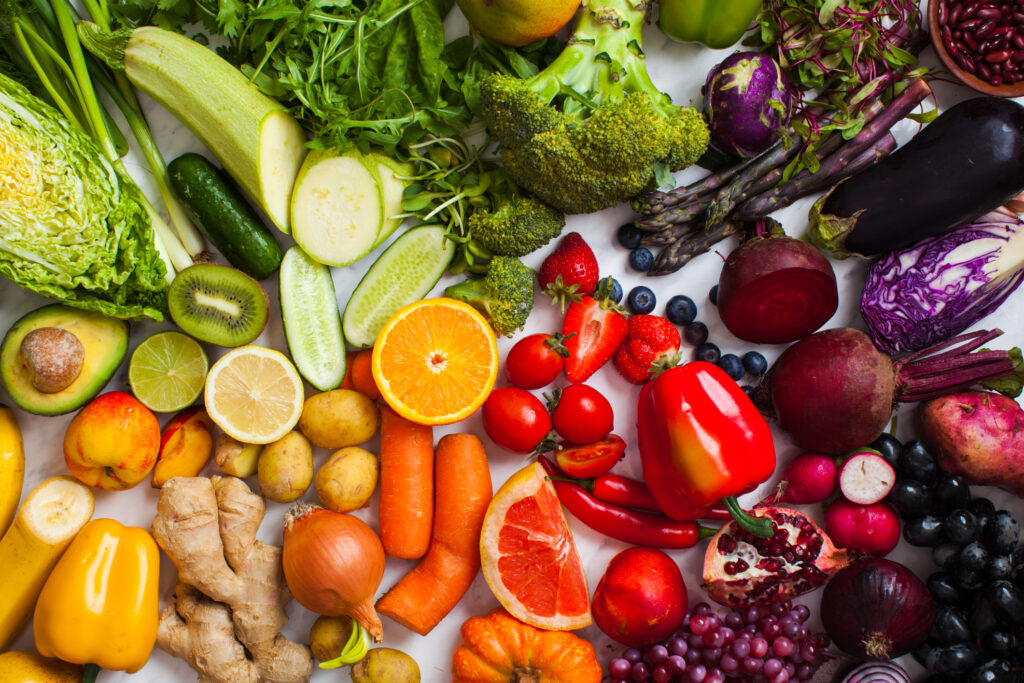
A nutrient-focused, whole-food approach can play a supportive role in managing many health conditions, especially when paired with healthy lifestyle habits like physical activity and good-quality sleep. A food-based approach to nutrition offers health benefits that go far beyond what supplements can provide. Whole foods deliver a natural balance of nutrients that work synergistically, meaning vitamins, minerals, phytonutrients, healthy fats, carbohydrates and fiber can support each other for better overall health outcomes. Nutrient-dense foods like leafy greens, fruits, legumes, nuts, seeds, and fish are efficient, cost-effective, and widely accessible options that fit easily into a healthy diet and good eating patterns. By choosing whole foods first, you not only support a more balanced diet but also avoid the added costs and potential nutrient insufficiencies that can come with eating highly processed foods and relying solely on supplements to make up the shortfall.
The variety of nutrient-dense foods available across food groups makes it easy to enjoy a satisfying, diverse, and plant-forward (though not solely plant-based) way of eating. Many of these foods provide additional health benefits including antioxidants (which are anti-inflammatory), insoluble fiber for gut health, which in turn supports overall health and wellness. Because whole foods are often more accessible and affordable than supplements, a food-based approach creates a sustainable foundation for long-term well-being.
Nutrivore encourages filling your plate with a wide range of nutrient-rich foods without the need for restrictive rules, making it easy to prevent and support health conditions through the simple power of food. With a Nutrivore approach (maximizing nutrient density across food groups), a nutritious, balanced, and enjoyable way of eating becomes both achievable and flexible for any lifestyle. While it isn’t a replacement for medical care or the advice of a registered dietitian, a balanced, food-first approach can complement your overall strategy for improving many health conditions and support long-term health goals.