The thyroid—a small, butterfly-shaped gland at the base of your neck—plays a profound role in regulating metabolism, mood, heart rate, digestion, and more. When it’s functioning well, it is often not noticed—but when things go awry, even subtle symptoms (like fatigue, weight changes, or mood shifts) can reflect larger thyroid concerns.
Thyroid disease affects over 12% of Americans, with around 20 million people currently managing the condition.
There are several “types” of thyroid disease:
- Hypothyroidism (underactive thyroid) is the most common, and is estimated to affect around 4.6% of the U.S. population
- Hyperthyroidism (overactive thyroid), while less common, still impacts many—often driven by Graves’ disease, the leading cause (50–80% of cases)
- Hashimoto’s thyroiditis, an autoimmune form of hypothyroidism, affects approximately 2% globally and occurs up to 15 times more in women
- Goiters, or thyroid enlargement, still occur—especially in susceptible individuals or rare cases of iodine deficiency
What Are Causes and Risk Factors of Thyroid Disease?
Thyroid problems typically stem from immune attacks, nutrient imbalances, or hormonal disruptions.
Common risk factors include:
- Autoimmune conditions—Hashimoto’s for underactive thyroid and Graves’ for overactive
- Family history, sex, and age—thyroid disease is far more common in women and may emerge at different life stages
- Nutrient imbalances—both iodine deficiency and excess can impair thyroid function or contribute to autoimmune reactions
- Environmental toxins—exposures like BPA, phthalates, flame retardants, and perchlorates may disrupt thyroid hormone balance
How Do You Reduce Risk of Thyroid Disease?

You can nurture your thyroid naturally through thoughtful diet and healthy habits:
- Diet: Embrace a nutrient-dense diet rich in vegetables, fruits, lean proteins, healthy oils, and fatty fish. This supports metabolism and may reduce inflammation, as well as providing key nutrients. Nutrient-dense diet also minimizes preservatives and other additives found in processed foods.
- Be Mindful of goitrogenic veggies: Some foods (including soy, cassava, millet, beans, and cruciferous veggies) contain goitrogens that can block iodine uptake by the thyroid, potentially interfering with thyroid function; but, this only appears to happen with extremely high consumption of these foods, and/or when iodine intake is low. If intake of these types of vegetables is indeed extremely high, cooking can help deactivate compounds that could interfere with thyroid hormone production.
- Reduce exposure to environmental toxins: Use clean water, safer household products, and avoid endocrine disruptors such as PFCs and triclosan.
Thyroid health is central to your overall well‑being—impacting energy, mood, metabolism, and more.
How Do Nutrients Improve Thyroid Health?
A Nutrivore approach emphasizes nutrients that help the body function at its best—including the metabolic and hormonal systems regulated by the thyroid. Current research highlights the following nutrients for thyroid health support, along with food sources to help you incorporate these nutrients through your diet.
| Nutrient | How it Supports Thyroid Health | Top Food Sources |
|---|---|---|
| Vitamin A | Vitamin A supports healthy thyroid hormone production by improving iodine use, regulating TSH, and helping maintain normal thyroid gland structure. | The only food sources of retinoids are animal products, and the richest sources are liver, cod liver oil, egg yolks, grass-fed high-fat dairy products, and seafood (especially shrimp, salmon, sardines, and tuna). |
| Iodine | Iodine is essential for thyroid hormone production, but must be consumed in an appropriate range to avoid both hypo- and hyperthyroid effects. | Top food sources include sea vegetables such as kelp and wakame, fish, shellfish, eggs, and dairy products; iodized table salt also provides iodine, while the amount in fruits and grains varies based on soil iodine levels. |
| Iron | Adequate iron supports thyroid function by helping maintain normal thyroid hormone levels and reducing the risk of autoimmune thyroid disease. | Top food sources include heme iron–rich foods like liver, red meat, oysters, mussels, and clams, as well as non-heme sources such as dark leafy greens, legumes like lentils and beans, and blackstrap molasses. |
| Selenium | Selenium supports thyroid hormone activation and may help reduce autoimmune activity in Hashimoto’s and Graves’ disease. | Top food sources include Brazil nuts, seafood, organ meats, muscle meats, and mushrooms such as shiitake and button varieties. |
| Zinc | Zinc plays a key role in thyroid hormone production, and deficiency can contribute to hypothyroidism. Supplementation has been shown to improve thyroid hormone levels. | Good sources of zinc include red meat, some organ meats (especially liver and heart), seafood (especially oysters), eggs, legumes, nuts, and whole grains. |

Nutrients for Thyroid Health
Nutrients for Thyroid Health explains the key nutrients that support healthy thyroid function and overall metabolic regulation! This e-book is exclusively available in Patreon!
Plus every month, you’ll gain exclusive and early access to a variety of resources, including a weekly video podcast, a new e-book in a series, nutrient fun factsheet, and more! Sign up now and also get 5 free Nutrivore guides as a welcome gift! Win-win-win!
Benefits of a Food-Based Approach
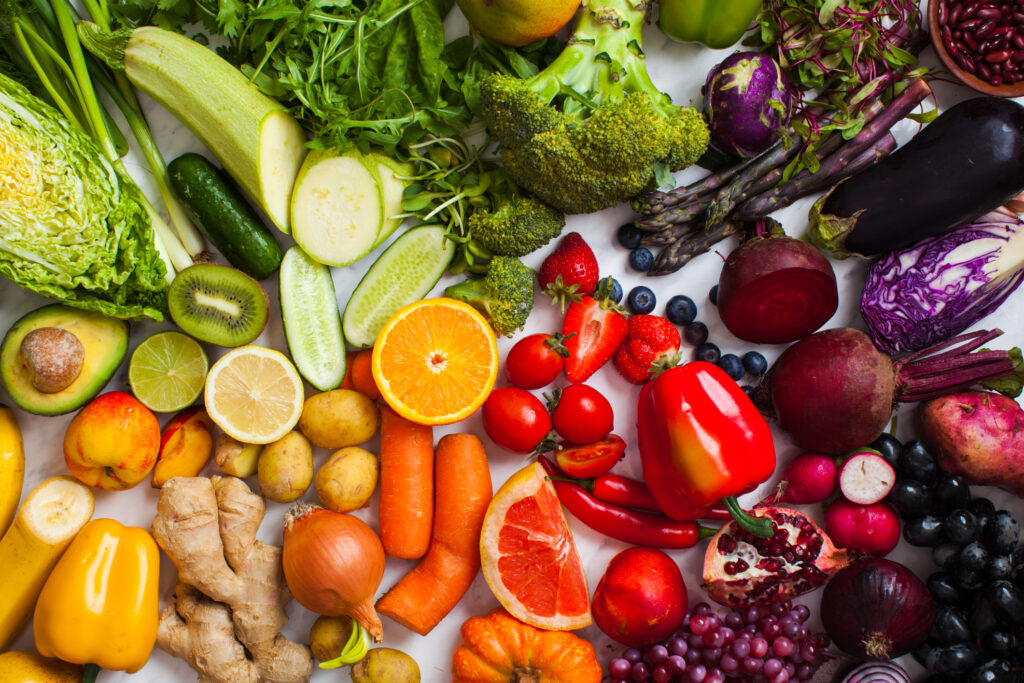
A nutrient-focused, whole-food approach can play a supportive role in managing many health conditions, especially when paired with healthy lifestyle habits like physical activity and good-quality sleep. A food-based approach to nutrition offers health benefits that go far beyond what supplements can provide. Whole foods deliver a natural balance of nutrients that work synergistically, meaning vitamins, minerals, phytonutrients, healthy fats, carbohydrates and fiber can support each other for better overall health outcomes. Nutrient-dense foods like leafy greens, fruits, legumes, nuts, seeds, and fish are efficient, cost-effective, and widely accessible options that fit easily into a healthy diet and good eating patterns. By choosing whole foods first, you not only support a more balanced diet but also avoid the added costs and potential nutrient insufficiencies that can come with eating highly processed foods and relying solely on supplements to make up the shortfall.
The variety of nutrient-dense foods available across food groups makes it easy to enjoy a satisfying, diverse, and plant-forward (though not solely plant-based) way of eating. Many of these foods provide additional health benefits including antioxidants (which are anti-inflammatory), insoluble fiber for gut health, which in turn supports overall health and wellness. Because whole foods are often more accessible and affordable than supplements, a food-based approach creates a sustainable foundation for long-term well-being.
Nutrivore encourages filling your plate with a wide range of nutrient-rich foods without the need for restrictive rules, making it easy to prevent and support health conditions through the simple power of food. With a Nutrivore approach (maximizing nutrient density across food groups), a nutritious, balanced, and enjoyable way of eating becomes both achievable and flexible for any lifestyle. While it isn’t a replacement for medical care or the advice of a registered dietitian, a balanced, food-first approach can complement your overall strategy for improving many health conditions and support long-term health goals.